Browse

Log in / Register
 Share

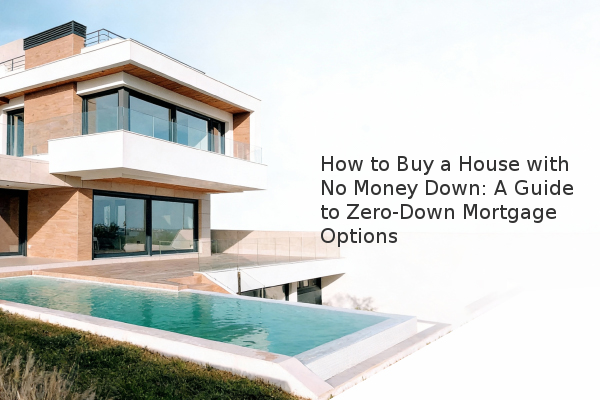
It is possible to purchase a home without a down payment by qualifying for specific government-backed loans. The primary paths to a zero-down mortgage are through VA loans for eligible military service members and veterans, or USDA loans for properties in designated rural and suburban areas. While these options eliminate the initial savings hurdle, they come with specific eligibility requirements and potential trade-offs like higher monthly costs. For those who don't qualify, low-down-payment alternatives like FHA loans (requiring as little as 3.5% down) and down payment assistance programs can make homeownership accessible.
What is a zero-down mortgage loan? A zero-down mortgage loan is a home loan that allows a buyer to finance 100% of a property's purchase price, requiring no initial down payment. A down payment is an upfront, lump-sum payment made towards the home's cost. For example, a standard 20% down payment on a $400,000 home would be $80,000. With a zero-down mortgage, this initial cash outlay is not required, though other closing costs will still apply.
What are the main zero-down payment loan programs? The two main zero-down payment programs are VA loans and USDA loans, both insured by the federal government. This government backing reduces the risk for lenders, allowing them to offer these unique terms.
VA Loans: Backed by the U.S. Department of Veterans Affairs, these loans are available to active-duty service members, veterans, and certain surviving spouses. A key requirement is obtaining a Certificate of Eligibility from the VA.
USDA Loans: Administered by the U.S. Department of Agriculture, these loans are designed to promote homeownership in eligible rural and suburban areas.
What are the pros and cons of a no-down-payment loan? Based on our experience assessment, weighing the advantages and disadvantages is crucial.
Pros:
Cons:
What if I don't qualify for a VA or USDA loan? If you don't qualify for a zero-down mortgage, several low-down-payment options can still help you achieve homeownership.
Is buying a house with no money down the right choice? The decision depends on your financial situation and long-term goals. A zero-down mortgage can be a powerful tool for eligible buyers to enter the housing market sooner. However, it's important to prepare for potentially higher ongoing costs. Explore all available options, including low-down-payment loans and assistance programs, to find the most sustainable path to homeownership for you.