Browse

Log in / Register
 Share
Share
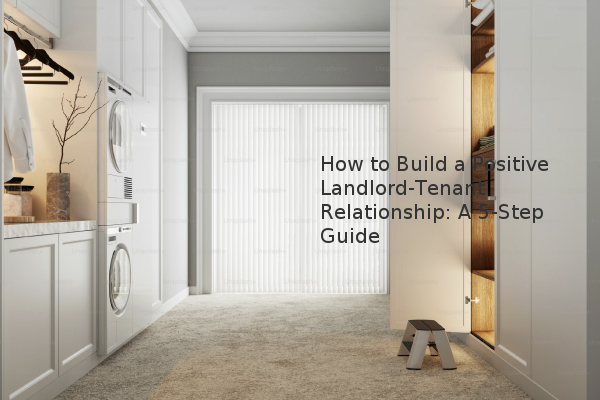
A strong landlord-tenant relationship is built on a foundation of clear communication, mutual respect, and documented agreements. By establishing responsibilities upfront and addressing issues professionally, both parties can create a stable, low-conflict rental experience. The core of a successful partnership lies in a thorough lease agreement, written communication, respect for boundaries, professional conduct, and prompt responses.
A lease agreement is the cornerstone of the landlord-tenant relationship, outlining all expectations and responsibilities to prevent future misunderstandings.
For landlords, this means creating a thorough and easy-to-understand document. It should clearly define policies on maintenance responsibilities, rent payment methods, pet rules, and utility obligations. For tenants, carefully reviewing the lease and asking questions before signing is critical. Understanding your role in maintaining the property and committing to consistent rent payments sets the tone for a responsible partnership. Transparency from the start leads to a smoother experience for everyone.
A key area often detailed in the lease is the security deposit. Based on recent industry data, approximately 40% of renters received their full security deposit back after moving out, while 24% did not receive any refund. Clear lease terms regarding property upkeep and move-out expectations directly influence this outcome.
Strong, documented communication is the backbone of a positive relationship. Whether reporting a maintenance issue or discussing a lease adjustment, all key communications should be put in writing via email or text to create a verifiable record.
Landlords should respond promptly and provide updates on next steps. Tenants can facilitate this process by being concise and respectful in their requests. This approach is essential for specific scenarios:
A rental property is a landlord’s investment, but it is the tenant’s home. Respecting this distinction builds mutual trust. Landlords must, by law in most states, honor a tenant’s privacy. This typically means providing 24 to 48 hours’ notice before entering the property for repairs, inspections, or showings.
Tenants demonstrate respect by adhering to the lease terms, such as providing proper written notice—typically 30 days—before moving out. This includes leaving the property clean and by the agreed-upon date to ensure a smooth transition for the next renter and to avoid additional charges.
Professional behavior fosters trust and confidence. For landlords, this means adhering to fair housing laws and treating all tenants with courtesy, focusing on solutions during disagreements rather than emotional reactions.
For tenants, professionalism involves being a reliable renter. This includes:
Timeliness is a necessity, not just a courtesy. Prompt action prevents small issues from escalating. Landlords should respond quickly to maintenance requests to demonstrate care for the property and the tenant's well-being.
Tenants should also act promptly by communicating issues as soon as they arise. This is equally important for life changes that affect the lease, such as financial challenges or the desire to add a roommate, which requires formal landlord approval and a lease amendment.
A positive landlord-tenant relationship is achievable by prioritizing a clear lease, documented communication, mutual respect, professional conduct, and prompt responses. This collaborative approach creates a stable and respectful environment for both parties.