Browse

Log in / Register
 Share
Share
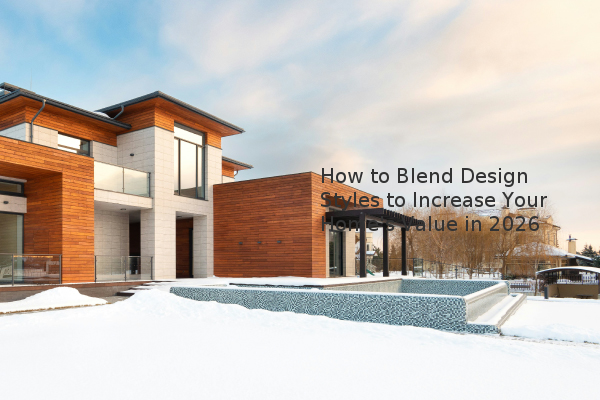
Successfully blending conflicting design styles is a powerful strategy to enhance your home's appeal and maximize its resale value. Based on our experience assessment, a cohesive design mashup can significantly broaden a property's marketability. This approach is not just about aesthetics; it's a smart financial decision that addresses the preferences of a wider pool of potential buyers. This article outlines practical, proven methods to reconcile different tastes, creating a harmonious space that maintains character while boosting overall value.
What is the First Step to Finding a Common Design Ground? The initial challenge is identifying a unifying element that respects both styles. In one Sacramento project, a couple was divided between a dark, rustic, old-world aesthetic and a light, modern one. The solution wasn't to choose one over the other but to find a neutral territory. The design team used a painting of the Italian Riviera, cherished by both homeowners, as inspiration. They developed a color palette derived from the artwork—light blues and greens from the ocean, sandy beiges, and antique whites. This common color palette served as a foundational compromise, reminding both individuals of a place they loved while creating a fresh, cohesive look. This method demonstrates that shared personal artifacts can be the key to unlocking a design direction that satisfies all parties.
How Can You Maximize the Functionality of a Multi-Use Space? A room that serves multiple purposes must be designed with flexibility at its core. A key consideration is the Return on Investment (ROI) of renovations, as highly functional spaces are a major selling point. In the same project, a sunroom was underutilized due to a dominating, built-in bar. The space needed to function as a playroom, home gym, guest room, and office. The renovation involved removing the fixed bar and introducing versatile furniture. A built-in desk replaced the bar for work, while a futon daybed accommodated guests. Beanbag furniture and lightweight pieces allowed for easy reconfiguration. The floor tiles with an Italian-inspired pattern and pale aqua walls tied the new, flexible layout back to the agreed-upon color scheme, proving that practicality and style can coexist to create a highly desirable, adaptable living area.
What are Effective Ways to Integrate Structural Elements into a Design? Structural necessities, like support pillars, can be transformed from obstacles into design features. When opening up a floor plan on a budget, pillars are often required to maintain the building's integrity. The goal is to make them feel intentional. In this case, the pillars were positioned flanking the kitchen counter. By applying a light, natural wood finish, the pillars matched the existing wood floors and ceiling beams. This technique gave the husband the rustic texture he desired while providing the wife with the open, airy feeling of a modern layout. This strategic integration shows that structural elements can be used to reinforce the design theme, creating a win-win situation that feels both authentic and spacious.
How Does Upgrading Materials Impact Perceived Value? Replacing outdated or failing materials with high-quality alternatives directly influences a home's appraisal value. A wall of crumbling red brick posed a problem: the husband loved the texture, but the deterioration was undeniable. Instead of standard drywall, which lacked character, the solution was Venetian plaster. This material provides deep, tactile texture and a timeless appearance that can mimic aged walls. While requiring skilled application, the result is a durable and unique feature that appeals to buyers seeking authenticity. This upgrade demonstrates that investing in materials with character can resolve stylistic disagreements and create a high-impact feature that elevates the entire space.
Can Lighting Fixtures Bridge Traditional and Modern Styles? Lighting is a critical yet often overlooked element that can make or break a design fusion. A vintage, ornate chandelier satisfied the desire for classic elegance but felt disconnected from the modern aesthetic due to its fake candlestick bulbs. The solution was not to replace the fixture but to modernize its lighting components. Swapping the original bulbs for large milk glass orbs instantly updated the chandelier's appearance. This simple change maintained the fixture's vintage charm while injecting a contemporary edge, creating the perfect balance. This approach highlights that you can preserve sentimental or architectural pieces by thoughtfully updating their functional aspects.
Blending design styles effectively requires a focus on shared inspiration, flexible functionality, and strategic upgrades. The process detailed above shows that compromise does not mean sacrifice. By finding a common color story, prioritizing versatile layouts, and smartly integrating structural and material elements, you can create a home that is not only personally satisfying but also more valuable and appealing on the real estate market. The most successful projects focus on creating a cohesive narrative that potential buyers can easily understand and appreciate.