Browse

Log in / Register
 Share
Share
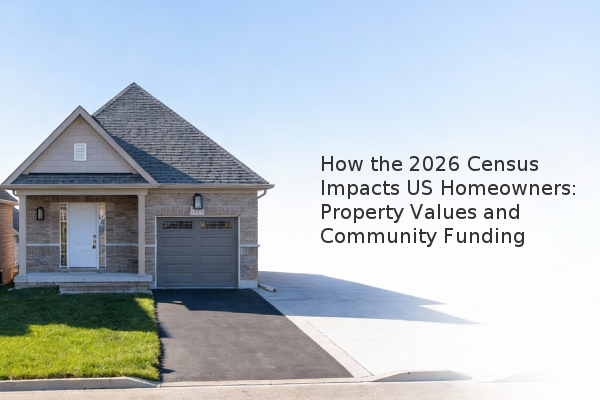
The 2026 Census will directly influence US housing markets, community resources, and property values for the next decade. For homeowners and real estate investors, participating in the census is critical for securing accurate data that shapes local infrastructure funding, informs market analyses, and affects long-term property appreciation. Based on our experience assessment, areas with high response rates typically see more accurate economic planning, which can positively impact real estate demand. This article explains the direct connections between the census and your real estate interests.
The census form includes a specific question about homeownership, which is vital for tracking national housing trends. This question helps determine if a property is owned with a mortgage, owned free and clear (known as Freehold, meaning outright ownership without any mortgage liability), or rented. The census does not ask for sensitive financial information like Social Security numbers or banking details. The data collected provides a foundational snapshot of the nation's housing stock, which analysts use to forecast market trends and allocation of federal housing funds.
An accurate census count directly affects the distribution of hundreds of billions of dollars in federal funding annually. This includes grants for community development, public transportation, and road repairs—all factors that influence property values. For landlords, an undercount of renters can lead to insufficient allocation of resources for affordable housing programs and community services that attract and retain tenants. Areas with incomplete data may receive less than their fair share of funding, potentially stunting local development and, by extension, property value growth over the next ten years.
Real estate professionals and investors rely on census data to identify growth markets. Population density, household income levels, and homeownership rates are all key metrics derived from the census. For example, data showing a rise in a specific age group, like young families, in a region can signal increased demand for single-family homes. This objective data helps in making informed decisions about where to buy, sell, or invest in property. The 2026 data will serve as the primary benchmark for market analysis until 2036, making its accuracy paramount.
The Census Bureau notes that renters, roommates, and young children are frequently undercounted. For property owners and managers, this undercount can have significant repercussions. If all tenants in a multi-unit building are not counted, it can result in an inaccurate picture of housing density in an area, potentially affecting everything from school funding to public safety resources—services that are important to current and prospective residents. Landlords should encourage all occupants at a rental property to be included in the household's response to ensure the community's needs are fully represented.
Participating in the 2026 Census is a straightforward step homeowners and investors can take to support the long-term health of their local real estate market. By ensuring an accurate count, you contribute to the data that shapes future community investment and provides a clear picture for sound property-related decisions. The process is secure, confidential, and essential for market stability.