Browse

Log in / Register
 Share
Share

Technology is fundamentally reshaping the US real estate landscape in 2026, offering buyers, sellers, and agents powerful new tools for a more efficient and informed experience. The core advancements driving this change are immersive 3D and virtual reality (VR) home tours, augmented reality (AR) property information apps, and accessible virtual staging software. These technologies are streamlining the home buying and selling process, saving time and resources for all parties involved. Based on our experience assessment, leveraging these tools can significantly enhance a property's marketability and a buyer's decision-making confidence.
Virtual tours, created using specialized imaging technology, allow prospective buyers to explore a property remotely in a highly detailed, interactive format. This is particularly transformative for buyers relocating from other states. Real estate professionals report that some buyers are comfortable making offers on properties they have only toured virtually, significantly accelerating the transaction timeline. For sellers, providing a high-quality virtual tour expands the potential buyer pool beyond local visitors. This technology provides a realistic sense of space and layout that static photos cannot, helping buyers narrow down their options before scheduling in-person visits.
Augmented reality (AR) overlays digital information onto the real-world view from a smartphone camera. In real estate, AR applications allow users to access instant data about properties simply by pointing their device. For example, a buyer walking through a neighborhood can view key details like listing prices, square footage, and bedroom/bathroom counts for homes on the block, even if they are not actively on the market. This provides immediate, contextual information that empowers buyers to research properties and neighborhoods on the go. These tools turn every "For Sale" sign into an interactive information point, streamlining the initial research phase of the home search.
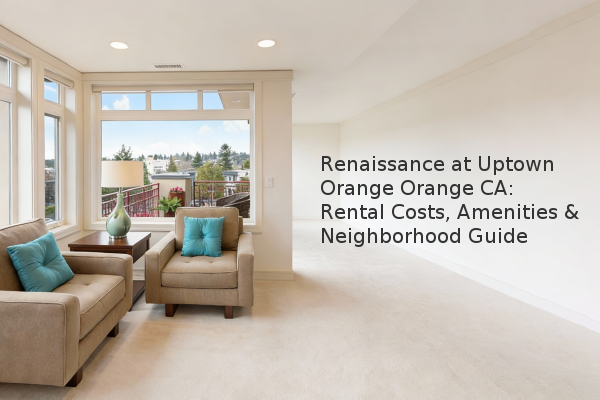
Virtual staging is a cost-effective alternative to physical home staging, which involves renting furniture to decorate a home for sale. While traditional staging is known to help homes sell faster, it can be expensive and logistically challenging. Virtual staging uses software to digitally furnish empty rooms in listing photographs. Sellers or agents upload photos of a vacant space and then select from a library of furniture and decor to create a welcoming, styled environment. This helps buyers visualize the potential of a room without the upfront cost of physical staging. The process is user-friendly, often requiring only a web browser.
The table below outlines a basic cost comparison based on typical market rates:
| Staging Type | Average Cost (2026) | Key Consideration |
|---|---|---|
| Physical Staging | $2,000 - $5,000+ | High upfront cost before the home sells. |
| Virtual Staging | $100 - $500 per room | Significantly more budget-friendly for sellers. |
The key advantage is that virtual staging achieves the goal of helping buyers envision themselves in the space at a fraction of the cost. It is also a valuable tool for homeowners considering renovations, allowing them to preview different decor styles.
The integration of technology into real estate is providing tangible benefits. For buyers, VR tours and AR tools offer unparalleled access to information and a more efficient search process. For sellers, virtual staging presents a low-cost, high-impact method to enhance a property's appeal. As these technologies continue to evolve, their role in facilitating informed and confident real estate decisions is set to grow even further. Embracing these tools can provide a distinct advantage in the 2026 market.