Browse

Log in / Register
 Share
Share
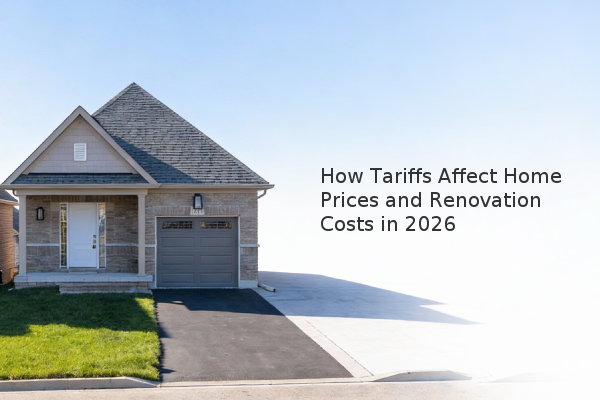
Rising tariffs on imported goods are directly impacting housing affordability and renovation expenses for American homeowners in 2026. Based on our experience assessment, these import costs contribute to higher prices for building materials, appliances, and new construction, creating a measurable ripple effect across the real estate market. This article explains the tangible connections between trade policy and your home's value, renovation budget, and the broader cost of homeownership.
Tariffs are taxes levied on imported goods. When applied to products like steel, lumber, and finished appliances, these costs are often passed down to consumers. For a homeowner planning a kitchen remodel, this means the price of cabinets, countertops, and major appliances may see a modest but noticeable increase. A project that might have cost $25,000 could now require a budget closer to $27,000-$28,000 to account for these supply chain surcharges. This is particularly impactful for items heavily reliant on imported components, making it crucial to obtain updated quotes from contractors and factor in potential delays.
New home construction is highly sensitive to material costs. Tariffs on key components increase the baseline cost for builders, who then incorporate these expenses into the final sale price of a home. This can slow the pace of new development, especially in more price-sensitive markets, and contribute to a tighter supply of affordable new homes. Consequently, prospective home buyers may face higher mortgage thresholds as the principal loan amount increases to cover these added construction costs. The effect is most acute in entry-level and mid-range housing markets.
For those considering a renovation, strategic planning is essential. Sourcing materials domestically, where feasible, can sometimes mitigate tariff-related price hikes. Flexibility on appliance brands and models can also lead to significant savings. For home buyers, understanding that a new home's price may reflect these broader economic pressures is the first step. It becomes even more critical to secure a favorable mortgage rate and explore all available first-time homebuyer programs to offset the higher upfront cost of a property.
The interconnected nature of global trade and local real estate means that tariff policies are a significant factor in housing affordability. By anticipating higher costs for materials and new homes, homeowners and buyers can make more informed, proactive financial decisions in the current market.