Browse

Log in / Register
 Share

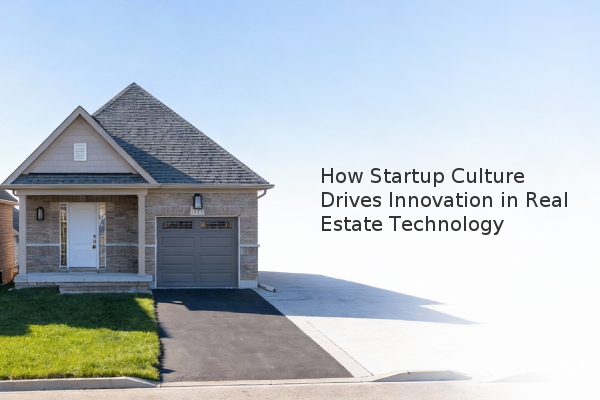
The most successful real estate technology startups often share a common foundation: a dedicated team culture that challenges conventional practices. This approach, centered on a shared mission rather than individual gain, is a significant driver of innovation in the property sector. For real estate professionals and consumers alike, understanding this dynamic highlights how new tools and platforms are reshaping the industry, from MLS integration to consumer-facing search portals.
A team's commitment to a core mission is frequently more critical than initial funding. This is evident in startups where individuals contribute beyond formal compensation, driven by the belief in the project's potential to improve the real estate transaction process. This level of dedication often leads to breakthroughs in user experience and data accuracy, directly benefiting agents and home buyers. Based on our experience assessment, this collaborative spirit is a key predictor of a startup's ability to solve persistent industry challenges, such as streamlining property disclosures or improving title search efficiency.
| Common Trait | Impact on Real Estate Tech |
|---|---|
| Mission-Driven Focus | Leads to products that prioritize user needs over short-term profit. |
| Challenging Established Norms | Encourages innovation in areas like transaction management and agent collaboration. |
| Cross-Functional Collaboration | Combines tech and real estate expertise for more practical solutions. |
The directive to "f*** with the order of things," while provocative, encapsulates the disruptive approach needed to advance a traditional industry. In practice, this means questioning why certain processes, like mortgage approval or property tax assessment handling, remain cumbersome. Startups that successfully question these norms introduce efficiencies that lower costs and increase transparency for all parties involved. This mindset directly challenges the status quo, leading to the development of essential tools that empower consumers with data previously held only by professionals.
The core lesson is the value of intrinsic motivation. The most impactful innovations often emerge from environments where team members are personally invested in the outcome. For brokerages or individual agents, fostering a culture that rewards creative problem-solving and client-centric innovation can lead to significant competitive advantages. This could mean developing proprietary tools for local market analysis or finding new ways to communicate property value to potential sellers. The joy and disorientation of a major achievement, like forgetting where you parked because of team success, is a testament to a powerful, shared commitment.
The key takeaway is that sustainable innovation in real estate technology is less about a single idea and more about cultivating a team culture built on a shared mission and a willingness to challenge established processes.