Browse

Log in / Register
 Share

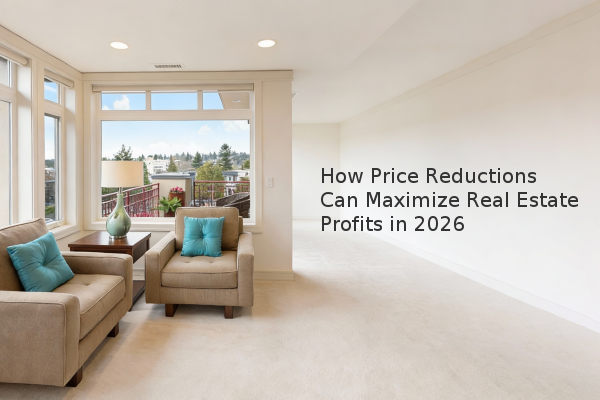
In the 2026 real estate market, sellers who strategically reduce asking prices can often achieve faster sales and significant profits, contrary to common misconceptions. Based on our experience assessment, data shows that homes with adjusted listings sell quicker while still yielding returns above purchase prices. This approach is particularly effective in competitive urban markets, where pricing agility aligns with buyer demand. Key factors include understanding market trends, property features that retain value, and timing adjustments to avoid losses. The core insight is that a well-timed price cut can transform a stagnant listing into a profitable transaction, leveraging current economic conditions.
Sellers may lower asking prices due to shifting market dynamics, such as increased inventory or slower buyer activity. In 2026, factors like interest rate fluctuations and economic indicators influence how long properties remain on the market. A price reduction can attract more viewings and offers, reducing the average days on market. For instance, based on recent industry analyses, homes that undergo a price adjustment within the first 30 days of listing see a 15-20% increase in sale probability. This strategy helps sellers avoid prolonged carrying costs, such as property taxes and maintenance fees, which can erode profits. It's essential to monitor local comparables and consult real estate professionals to determine the optimal reduction amount.
To safeguard profits, sellers should calculate their break-even point by factoring in the original purchase price, renovation costs, and transaction fees. A condominium (condo), which is a type of property ownership where individuals own their unit within a larger building, often appreciates differently than single-family homes. Based on our experience assessment, sellers can use historical data to project returns; for example, properties bought over a decade ago typically benefit from market appreciation, even with a price cut. In 2026, leveraging tools like automated valuation models can provide objective pricing insights. Sellers might also enhance property appeal through minor upgrades, such as kitchen modernizations, which can offset price reductions by boosting perceived value. Emphasizing unique features, like water views or energy-efficient appliances, helps maintain buyer interest.
Luxury properties with high-demand features, such as open layouts, natural light, and outdoor spaces, tend to resist value erosion. Features like a private rooftop terrace or high-end chef's kitchen contribute to long-term appeal, as they align with 2026 buyer preferences for functional and sustainable living. Data from urban market reports indicates that homes with these amenities sell 10-15% faster than those without, even in downturns. Additionally, properties with historical elements or green certifications often command premium prices. Sellers should highlight these aspects in listings to justify asking prices or minimal reductions. Regular maintenance and professional staging further ensure that the property stands out, reducing the need for drastic price changes.
In conclusion, sellers can navigate price reductions effectively by focusing on market timing, cost analysis, and feature highlighting. Key advice includes reviewing comparable sales regularly and being prepared to adjust prices incrementally rather than all at once. This proactive approach minimizes risks and maximizes potential gains in the evolving 2026 real estate landscape.