Browse

Log in / Register
 Share

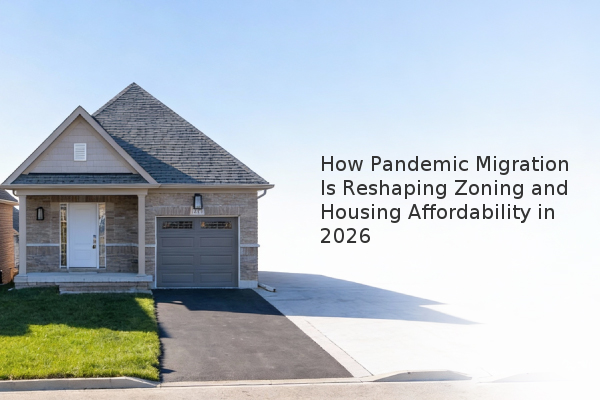
The COVID-19 pandemic permanently altered U.S. migration patterns, transforming once-sleepy local zoning hearings into heated political battles that now directly shape housing affordability. The core driver of today's housing affordability crisis is restrictive local zoning, which artificially constrains supply. As remote workers relocated from expensive coastal metros to more affordable inland cities, they brought with them new political priorities and firsthand experience with housing scarcity, leading to a powerful push for zoning reforms intended to prevent a nationwide affordability crisis.
To understand the current zoning wars, one must first examine the lasting demographic shifts triggered by the pandemic. Remote work policies, historically low mortgage rates (since expired), and a desire for more space accelerated pre-existing moving trends. Research indicates that annual migration between counties increased significantly during this period. This reversal meant that large, expensive metros like New York City and San Francisco experienced net population loss, while more affordable cities like Dallas, Tampa, and Charlotte saw substantial gains. This wasn't a temporary blip; it represented a durable redistribution of people, income, and political influence from high-cost hubs to adjacent, more affordable markets.
The influx of new residents into growing metros has dramatically altered the local political landscape. These individuals often arrive with higher-than-average incomes, flexible remote work schedules, and direct experience living in cities with severe housing shortages. This combination makes them a potent new political bloc focused on housing reform. They frequently advocate for policies that increase housing supply, such as allowing for the construction of townhomes and accessory dwelling units (ADUs), or streamlining the process for converting commercial properties to residential use. Their advocacy is frequently framed around preventing their new communities from repeating the mistakes of the cities they left behind, where restrictive zoning led to crippling costs.
Evidence suggests that proactive zoning reform is a critical tool for maintaining affordability. Zoning laws are the primary regulatory barrier to increasing housing supply. When cities limit the type and density of housing that can be built—through single-family-only zoning, large minimum lot sizes, or prolonged approval processes—they create an artificial scarcity that drives up prices. Legislative efforts in states like Texas, which passed bills to cap minimum lot sizes and reform zoning protest rules, demonstrate that bipartisan action can incentivize construction. Based on our experience assessment, cities that proactively allow for more diverse housing types, often called "missing middle housing," are better positioned to meet demand and stabilize prices.
The next decade presents two potential paths. In a best-case scenario, the current political energy leads to sustainable coalitions that successfully unlock housing construction in high-demand areas. In a worst-case scenario, opposition to new development intensifies, exporting the severe affordability problems of the coasts to the nation's growing heartland. The crucial lesson from cities already engaged in these battles is the importance of acting before a full-blown crisis emerges. Proactive reform is more effective than reactive crisis management. Communities that embrace sensible, supply-oriented solutions today are more likely to preserve a diverse range of housing options for teachers, firefighters, and middle-class families in the future.