Browse

Log in / Register
 Share
Share
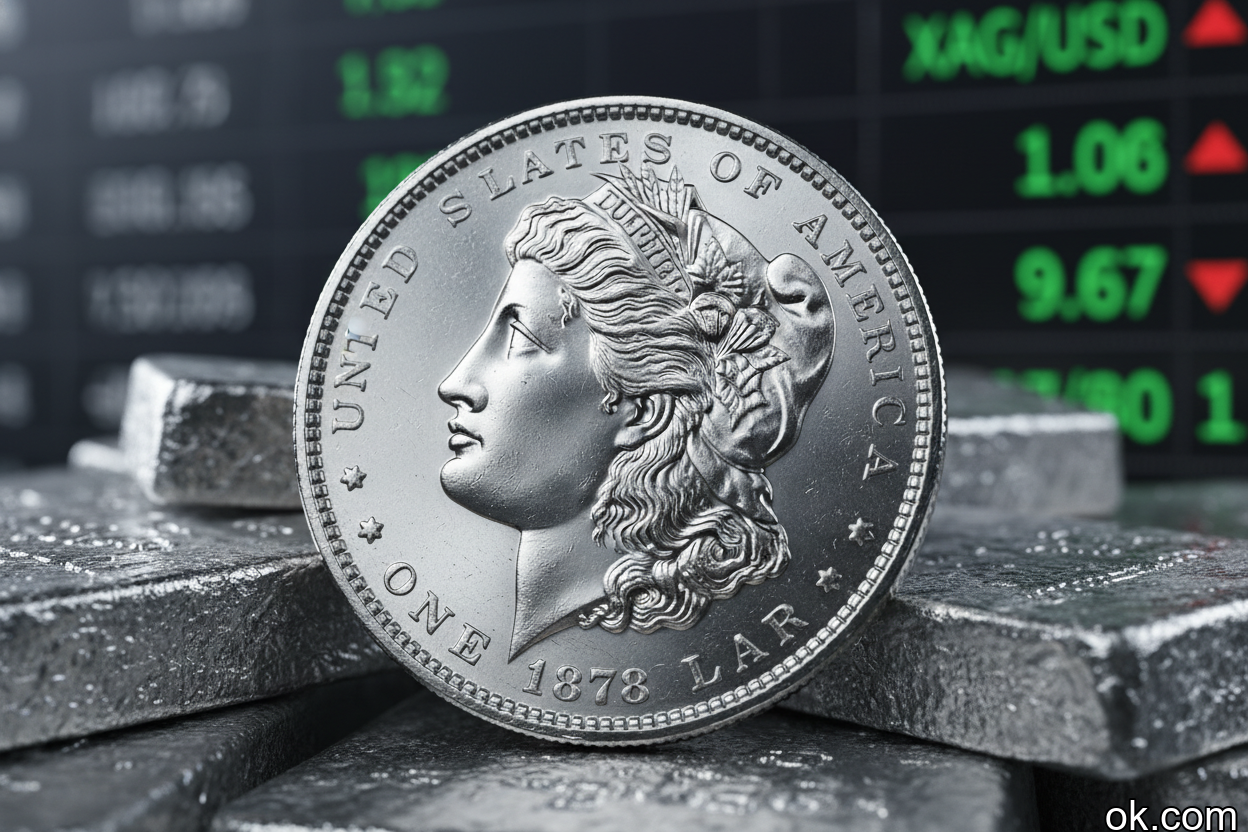
Ever rummaged through grandpa's old coin collection and wondered if you struck silver? Specifically, those half dollars… Do you know how much is a silver half dollar worth in scrap? It's a question that dances in the minds of collectors and curious onlookers alike. It's more than just pocket change; it's a slice of history, a tangible piece of the past. But in today's market, are these coins better off as cherished relics or melted down for their intrinsic metal value? Let's dive deep and separate the treasure from the trash.
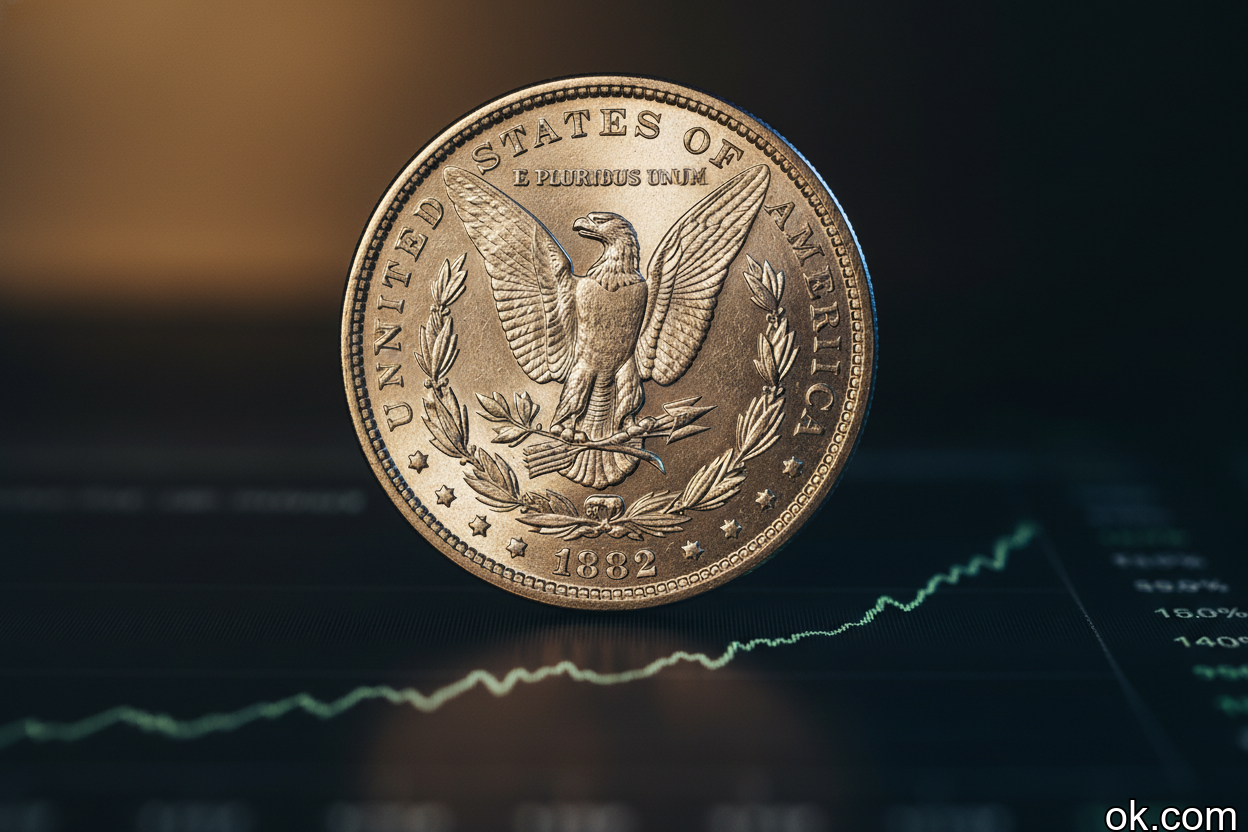
Not all half dollars are created equal. This is critical. The key is understanding the timeline. Before 1964, U.S. half dollars were composed of 90% silver. Think Kennedy, Franklin, and Walking Liberty half dollars. Post-1964? Well, that's where things get tricky, and less shiny. From 1965 to 1970, some half dollars contained only 40% silver. After that? Nada. Zilch. Mostly copper and nickel.
So, when you’re trying to figure out how much is a silver half dollar worth in scrap, the year is paramount. It's literally the difference between a potentially decent payout and… well, pocket change.
Okay, so you’ve got a pre-1964 half dollar. Now what? Time to do some math. A 90% silver half dollar contains approximately 0.362 troy ounces of pure silver. The current spot price of silver (which fluctuates constantly, mind you) is the baseline. Let's say silver is hovering around $25 an ounce (hypothetically speaking, of course; check the real-time price!). That means the melt value of your pre-1964 half dollar is roughly $9.05. Not bad for something that might have been languishing in a dusty drawer!
Now, remember those 40% silver half dollars from 1965-1970? Their silver content is less, so their melt value is lower. A 40% silver half dollar might be worth about $3.69 based on current estimations. See the difference?
It's crucial to keep a close eye on the current spot price of silver, as this directly impacts how much is a silver half dollar worth in scrap. Websites that track precious metal prices are your friends here.
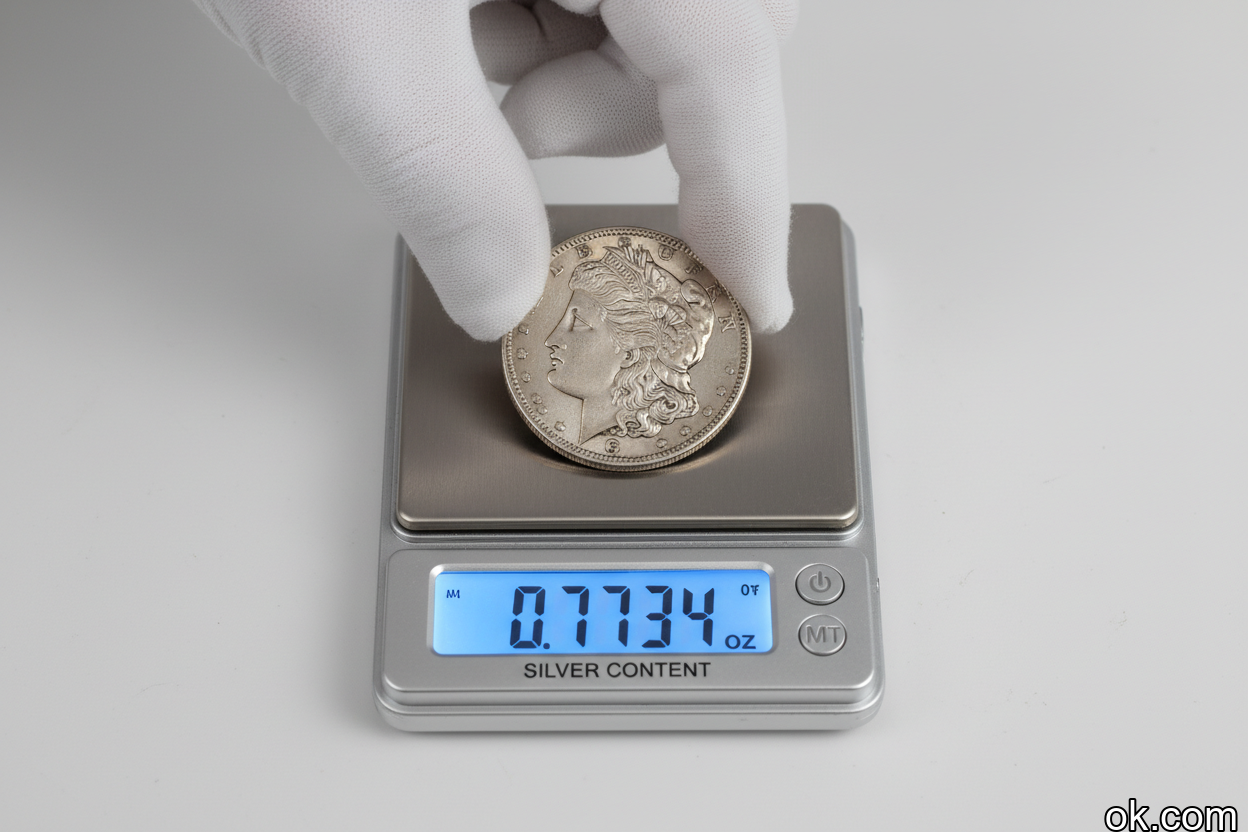
Here’s where things get interesting. While scrap value is a baseline, the numismatic (coin collecting) value can far exceed the melt value. Factors like rarity, condition, and historical significance come into play.
A pristine, uncirculated silver half dollar is going to be worth significantly more to a collector than one that looks like it's been through a washing machine. Think about it: a coin with sharp details, original luster, and minimal wear is just more appealing. Grading services like PCGS (Professional Coin Grading Service) and NGC (Numismatic Guaranty Corporation) assess the condition of coins using a standardized scale. A high grade can turn a common coin into a valuable asset.
For example, a well-preserved Walking Liberty half dollar from the early 20th century could fetch a hefty premium over its silver content, especially if it's a key date or mint mark.
Certain years and mint marks are rarer than others. Maybe it was a year where fewer coins were minted, or perhaps a particular mint had production issues. These variations can dramatically increase a coin's value. Take the 1921-D Walking Liberty half dollar – a notoriously difficult coin to find in good condition. Its value can range from hundreds to thousands of dollars, depending on its grade.
These "key dates" and "mint marks" are the golden tickets of coin collecting. Doing your research and identifying any potential rarities is absolutely crucial before you consider selling for scrap.
Sometimes, mistakes happen at the mint. Double dies, off-center strikes, planchet errors… These imperfections, believe it or not, can make a coin incredibly valuable to collectors who specialize in error coins. It seems counterintuitive, right? But a silver half dollar with a noticeable and well-documented error can command a premium far beyond its silver content or even its typical numismatic value. It's like finding a misprinted stamp – it's unique and collectible.
Seriously, don't underestimate the power of a good error coin!
So, you've assessed your silver half dollars. You know their year, condition, and potential rarity. Now, how and where do you sell them? You’ve got options:
Important Consideration: When selling, be aware of fees, commissions, and shipping costs. These expenses can eat into your profits. Also, be wary of scams and always deal with reputable buyers.
Determining how much is a silver half dollar worth in scrap is a multi-faceted question. While the melt value provides a baseline, the true worth can be significantly higher, especially if the coin possesses numismatic value. Before you rush off to melt down your grandpa's coin collection, take the time to research, assess, and understand the potential value beyond just the silver content. That old half dollar might just be your ticket to something a little more shiny...
Do your homework, be patient, and you might just unearth a hidden treasure. Who knows, that little piece of silver history might just surprise you. Happy hunting!