Browse

Log in / Register
 Share
Share
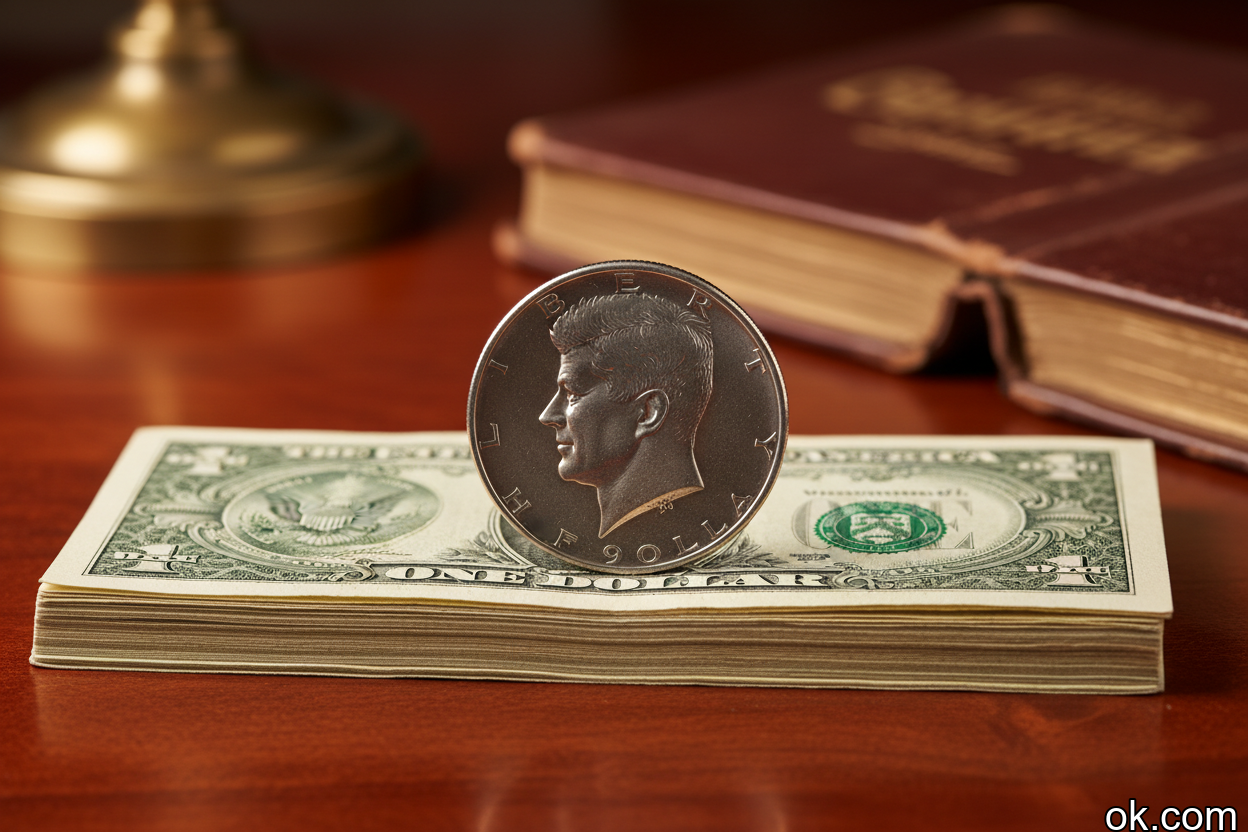
Ever find an old coin tucked away in a dusty drawer and wonder if you've struck gold? Maybe that's a slight exaggeration. But, for those holding a 1979 "Liberty" (more accurately, a Susan B. Anthony) silver dollar, that curiosity is understandable. The question, of course, is: how much is a 1979 liberty silver dollar worth? Buckle up, because the answer is a bit more nuanced than you might think, and involves a journey into mint marks, condition, and the ever-fickle world of numismatics.
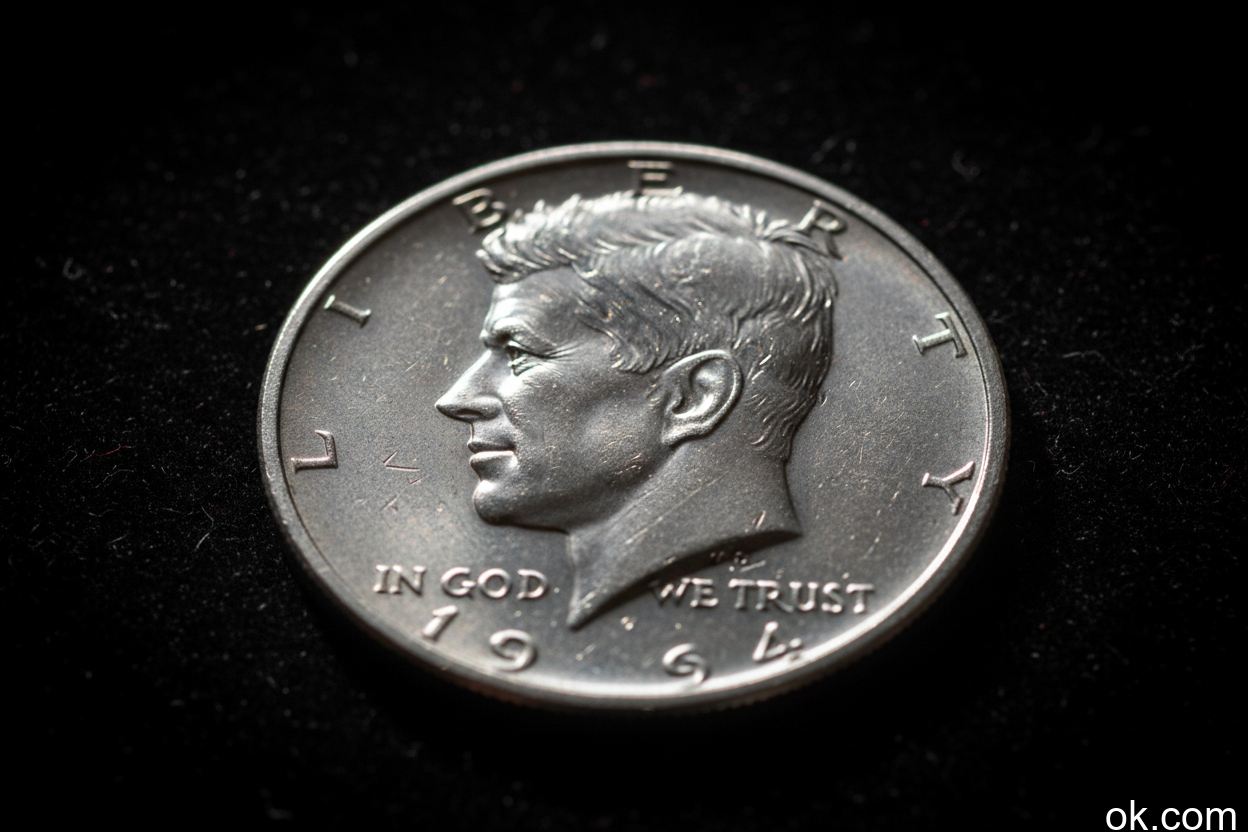
First things first: despite the name, these coins aren't actually made of silver. Surprise! They’re composed of a copper-nickel clad, which is probably the first reality check on your potential fortune. Now, I know what you're thinking: "So, it's worthless?" Not necessarily. While not brimming with precious metal, certain 1979 Susan B. Anthony dollars do have collectible value. Let’s unpack the key factors influencing their worth.
The mint mark on your 1979 Susan B. Anthony dollar is crucial. It tells you where the coin was struck, and this significantly impacts its rarity.
"P" (Philadelphia): Coins with a "P" mint mark were produced in Philadelphia. These are generally the most common, and therefore usually the least valuable. We’re talking a couple of bucks in circulated condition. However, as the NGC Price Guide indicates, a Mint State (MS) 1979-P can fetch anywhere from $2 to, get this, $1,450! That’s a massive range, and condition plays a HUGE role. More on that in a bit.
"D" (Denver): Denver-minted coins, marked with a "D," are also fairly common. So, no early retirement plans here...unless you've stumbled upon a pristine, uncirculated example.
"S" (San Francisco): Ah, San Francisco. Even their coins seem to have a touch of mystique. Those bearing the "S" mint mark were intended for circulation but also included in proof sets. These tend to be scarcer, potentially increasing their value, especially in higher grades. Also, a 1979-S proof example is almost certainly going to be the cream of the crop.
Think of it like this: the mint mark is like the coin’s birthplace. Some birthplaces are rarer than others. Makes sense, right?
Alright, let’s talk about condition. In the coin collecting world, it's everything. A heavily worn 1979 Susan B. Anthony dollar might only be worth its face value (one dollar) or slightly more to a collector who just needs one for their set.
However, an uncirculated coin – one that has never been used in commerce and retains its original mint luster – is a whole different ballgame. That "luster" is that shimmery, almost cartwheeling effect you see when you tilt a brand new coin under the light. Once that's gone, it's gone.
Grading coins is a whole science in itself, with scales ranging from Poor (basically, a barely identifiable lump of metal) to Mint State (MS-60 to MS-70, indicating a virtually flawless coin). The higher the grade, the higher the value. Professional grading services like NGC (Numismatic Guaranty Corporation) and PCGS (Professional Coin Grading Service) are the gold standard. They’ll assess your coin's condition and assign it a grade, which provides a universally recognized benchmark for its value.
Speaking of grading, the value for one of these coins depends on size and location of a clip; values can vary wildly from $100-$300.
Here’s where things get really interesting. Sometimes, errors occur during the minting process. These errors can create unique varieties that collectors crave, drastically increasing a coin's value.
While I don't have specific details on prevalent 1979 Susan B. Anthony dollar errors in this context, common coin errors include:
Double Dies: When the design is struck multiple times, resulting in a doubled or blurred image.
Off-Center Strikes: When the coin is struck off-center, leaving part of the design missing.
Planchet Errors: Issues with the metal blank (planchet) before it’s struck.
These are very rare and sought after in the world of coin collecting.
Keep an eye out for these errors! They are like misprints in baseball cards -- total gold for the right person.
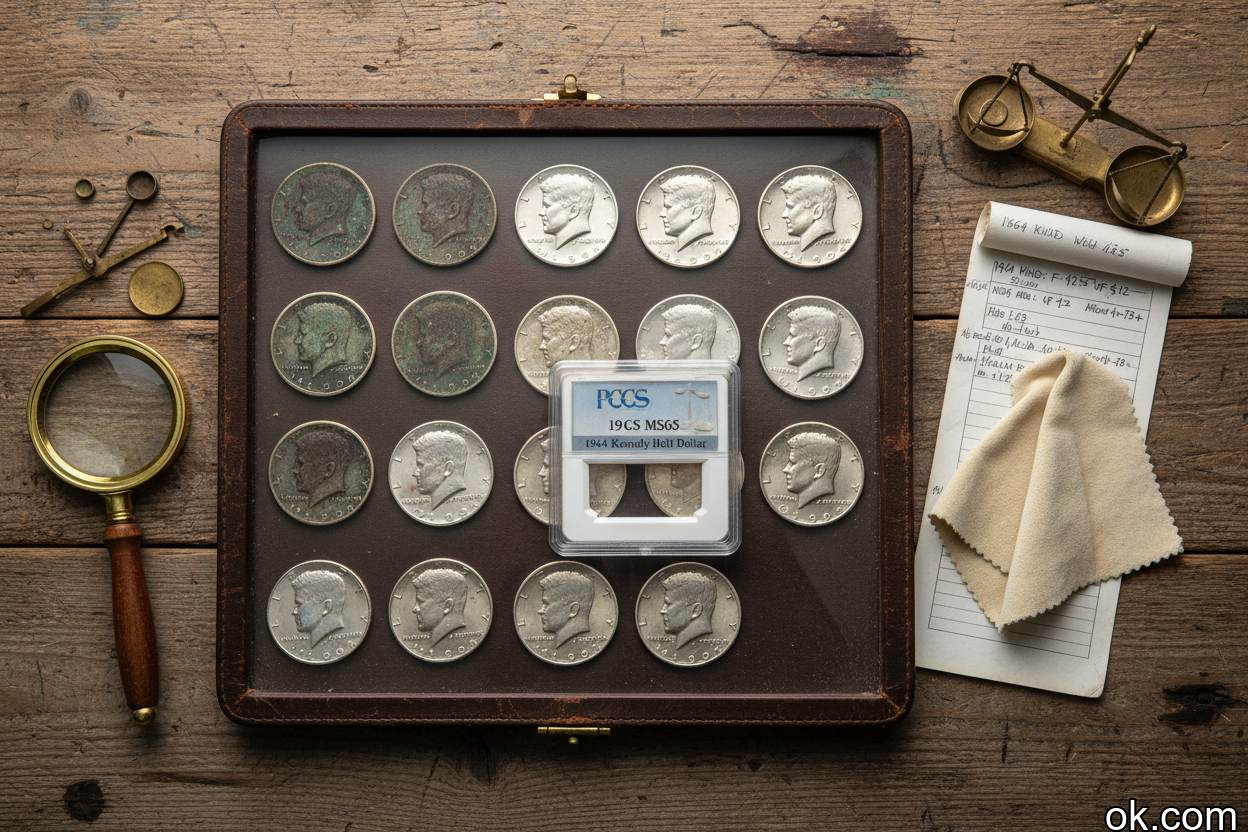
So, you've checked the mint mark, assessed the condition (or decided to get it professionally graded), and haven't spotted any glaring errors. What else could influence how much is a 1979 liberty silver dollar worth?
Demand: Like anything else, the value of a coin is ultimately determined by supply and demand. If there's a surge of interest in Susan B. Anthony dollars, prices could rise. Conversely, if interest wanes, values could fall. This is the most mercurial part.
Metal Prices: While these coins aren't silver, fluctuations in the prices of copper and nickel can have a marginal impact on their value, especially for lower-grade, common examples. But, let's be real, you're not going to get rich off the melt value of a clad coin.
Rarity: A coin can be inherently rare from low mintage numbers.
When evaluating the 1979 D dollar coin value, note how the clipping affects value. Depending on size and location of the clip values can go from $100–$300.
Okay, let’s get to the point. As you can see, the value of a 1979 Susan B. Anthony dollar depends on a whole lot of things. Most circulated examples are worth only slightly more than face value. But, a pristine, uncirculated example with a desirable mint mark or a rare error could be worth significantly more – potentially hundreds, even thousands, of dollars. According to research, silver makes up around $58 of the coin.
Remember what I said about those $1,450 coins? The key is finding an uncirculated coin in absolutely pristine condition. I suggest getting it professionally graded, just so there are no questions.
So, how much is a 1979 liberty silver dollar worth? It depends! Hopefully, this deep dive has given you a better understanding of the factors that influence the value of your 1979 Susan B. Anthony dollar. Now you have a grasp of what makes one of these coins valuable.
What should you do next? My advice: if you think you have a particularly nice example, especially if it appears uncirculated, consider getting it professionally graded. While it costs money to have a coin graded, it can be a worthwhile investment if it confirms your suspicions and unlocks a significant premium. Otherwise, enjoy owning a little piece of history – a reminder of a time when a woman on a dollar coin was a pretty big deal. Good luck, and happy coin hunting!