Browse

Log in / Register
 Share

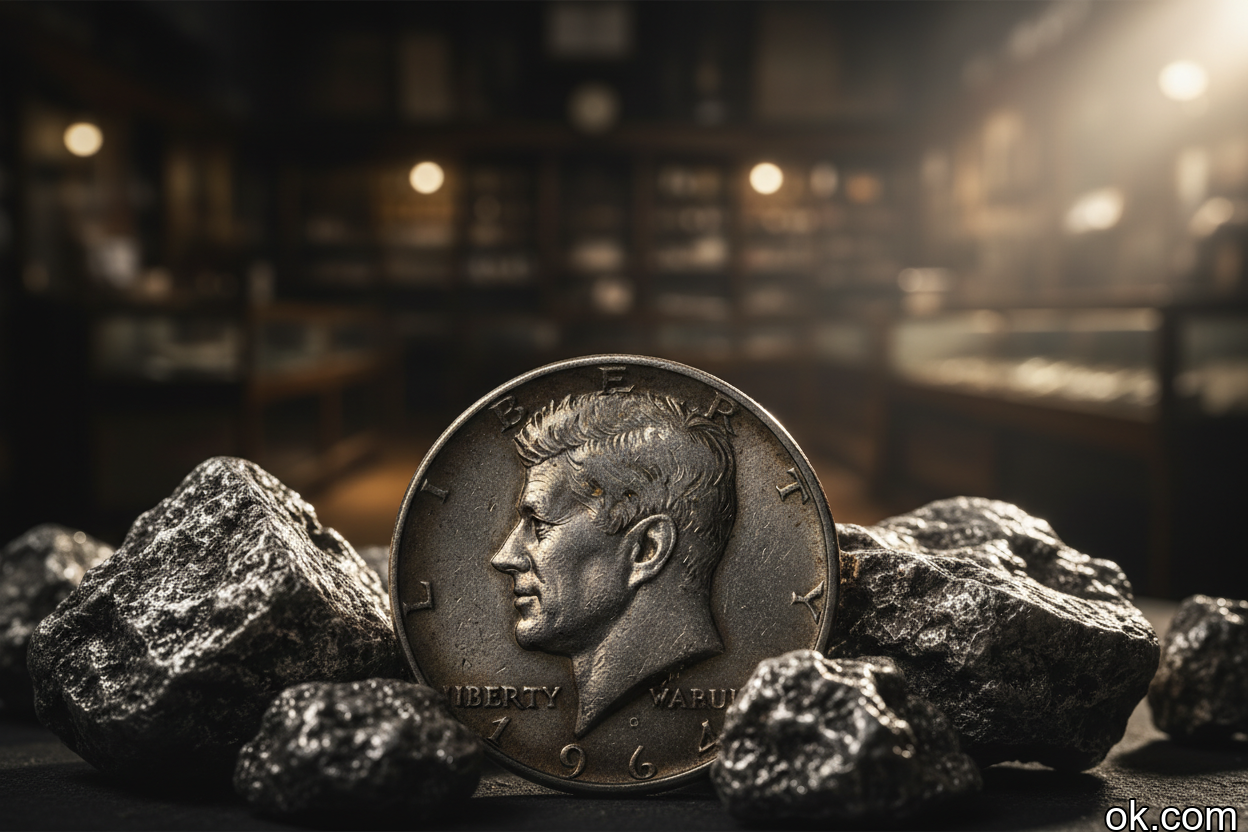
Ever rummage through a dusty box and stumble upon an old half-dollar? A Kennedy, perhaps, or even an older Walking Liberty? You might casually wonder, "Hmm, how much is a 50 cent coin worth in silver?" The answer, my friend, isn’t always a simple fifty cents. It could be significantly more, especially if silver's involved. Let’s dive into the shiny world of silver half dollars and uncover their true worth. Because, let's be honest, finding a hidden treasure in your spare change? That’s a win.
So, you’ve got a 50-cent piece. The crucial question: is it silver silver? Pre-1971, US half dollars were made with a certain percentage of silver. This single factor dramatically shifts the coin's value beyond its face value. We're talking about intrinsic value here, tied directly to the fluctuating price of silver.
Here's a quick rundown. Half dollars minted in 1964 are 90% silver – a real score if you find one! From 1965 to 1970, the Kennedy half dollars were downgraded to 40% silver clad. Anything after 1970? Mostly copper and nickel. Sorry, Charlie. This means the older the coin, the more likely it's got that precious metal inside. The silver content will directly affect how much is a 50 cent coin worth in silver
Okay, let’s talk numbers. The "spot price" of silver is the current market price per ounce. A silver half-dollar's melt value is directly tied to this. You can easily find online calculators that will tell you the approximate silver value of your coin based on the spot price.
However, and this is crucial, that's just the melt value. The coin’s numismatic value (collector's value) is a whole different ballgame. Rarity, condition (graded on a scale, MS-62 being good, for example), and historical significance all play a role. A 1946-D 50-cent coin in MS-63 condition could fetch a pretty penny. We’re talking potential multiples of the melt value, potentially up to $85.
Think of it like this: it's like owning a classic car. It's worth more than just the scrap metal it's made of. You with me so far?
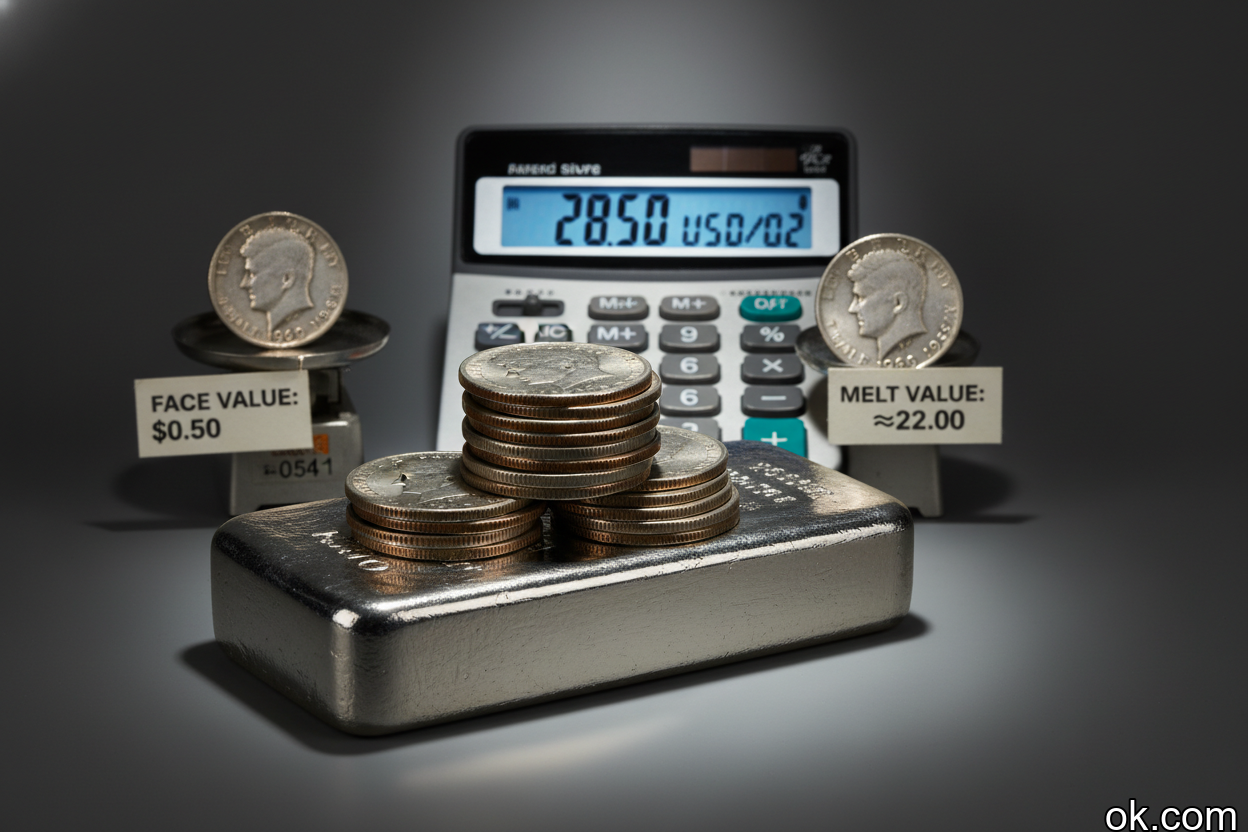
Beyond the silver content, several factors can send the value of your 50-cent piece soaring. Sometimes, it’s not always about the silver itself; it’s about the story the coin tells.
Mint marks indicate where the coin was produced (e.g., "D" for Denver, "S" for San Francisco). Certain mint marks are rarer than others for specific years, which can significantly increase value.
Then there are errors. Oh, the errors! Misprints, double dies, off-center strikes… these mistakes are like misprints in comic books – they make collectors drool. A seemingly minor flaw can transform a common coin into a highly sought-after rarity.
Coin grading is a science (and an art). Professional grading services like PCGS and NGC assess a coin’s condition on a scale from 1 to 70, with 70 being perfect. The higher the grade, the more valuable the coin. Don’t clean your coins! Cleaning can actually damage them and decrease their value. Think of it like restoring an old painting; you need expert care, or you risk ruining it.
Certain years and designs are simply rarer than others. Coins with low mintage numbers (the number of coins produced) are always more valuable. Furthermore, coins associated with significant historical events or figures also command a premium. This is where things get really interesting. Some 50-cent coins can be worth up to $27,500 if they possess the right qualities, so, knowing your coin's history can definitely pay off.
Okay, you’re hooked. You want to know if that half-dollar in your drawer is worth more than… well, half a dollar. Here's your action plan:
First, figure out what you have. What year is it? What mint mark does it have (if any)? Is it a Kennedy, a Franklin, a Walking Liberty, or something else entirely? Note everything down.
Use the date ranges I mentioned earlier to determine if your coin contains silver. If it's pre-1971, you’re in the running! If it's 1964 or earlier, you are REALLY in the running, especially if it has not been circulated much.
A quick Google search will give you the current spot price of silver. Use an online calculator to estimate the melt value of your coin based on its silver content. Remember, this is just a baseline.
Websites like eBay (completed listings) and coin valuation guides can give you an idea of what similar coins are selling for. Be realistic; don’t assume your coin is in perfect condition unless you're absolutely sure.
If you think you have something truly special, it’s worth getting a professional appraisal from a reputable coin dealer. They can accurately assess the condition of your coin and give you a realistic estimate of its value.
Be wary of quick-buck offers. Some buyers may try to lowball you, especially if they sense you don’t know the true value of your coin. Do your research and don't be afraid to walk away.
In conclusion, discovering how much is a 50 cent coin worth in silver requires a bit of detective work. However, the potential payoff can be well worth the effort. So, dig through those coin jars, check those dusty boxes, and who knows? You might just be sitting on a silver treasure. And hey, if you do find something valuable, maybe treat yourself to something nice – you earned it! And if you don't, well, at least you had a little adventure, right?