Browse

Log in / Register
 Share
Share
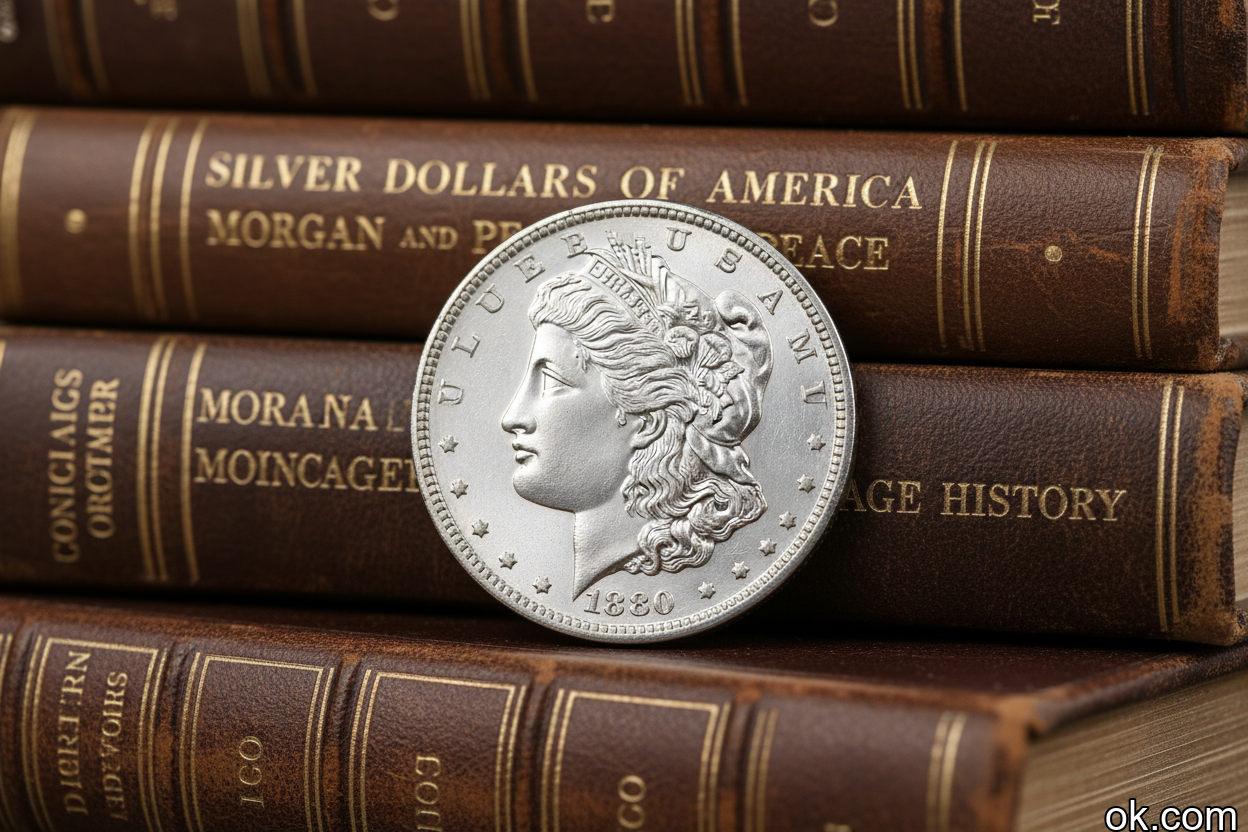
So, you've stumbled upon a hefty, silver-ish coin and are wondering, "Okay, how much is a 1979 Eisenhower silver dollar worth?" You're not alone! These "Ike" dollars, as they're affectionately known, can spark curiosity. But before you start dreaming of early retirement, let's dig into what really drives their value. Is it silver content? Mint marks? Condition? The answer is, well, a bit of everything. Fair warning, though: coin collecting is a rabbit hole. A fascinating rabbit hole, but a rabbit hole nonetheless.
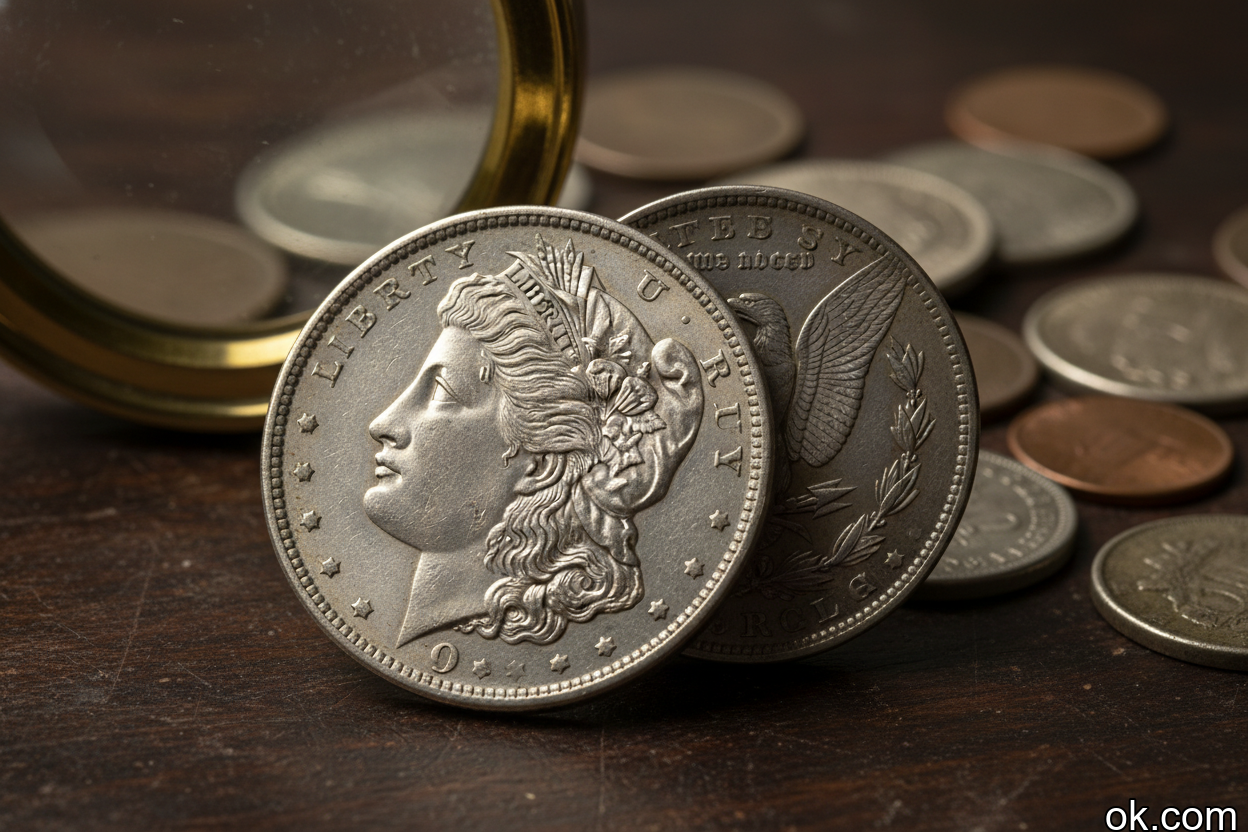
First things first: not all 1979 Eisenhower dollars are created equal. The vast majority you'll find circulating (or gathering dust in someone's attic) are clad coins. What's clad? Essentially, they're made of layers of copper and nickel, not silver. These are the workhorses of the Ike dollar world, and their value reflects that.
Think of it like this: A regular 1979 Eisenhower dollar is like a Ford Focus – reliable, common, and not particularly valuable on the collector's market. However, some special versions, primarily those with silver content, are more like classic Mustangs. They're rarer, more desirable, and fetch a much higher price.
The 1979 clad Eisenhower dollars, the ones not made of silver, are generally worth face value – that's one dollar – or slightly more if they're in pristine, uncirculated condition. We're talking maybe a few dollars, tops. Don’t get your hopes up; you likely won't be funding a vacation with one of these.
Why so little? Simply put, there were a ton of them minted! Scarcity drives up value in the coin world, and these coins, well, aren't scarce. They were intended for everyday use. So, unless you have a particularly special example, you're looking at a nice conversation piece, not a goldmine.
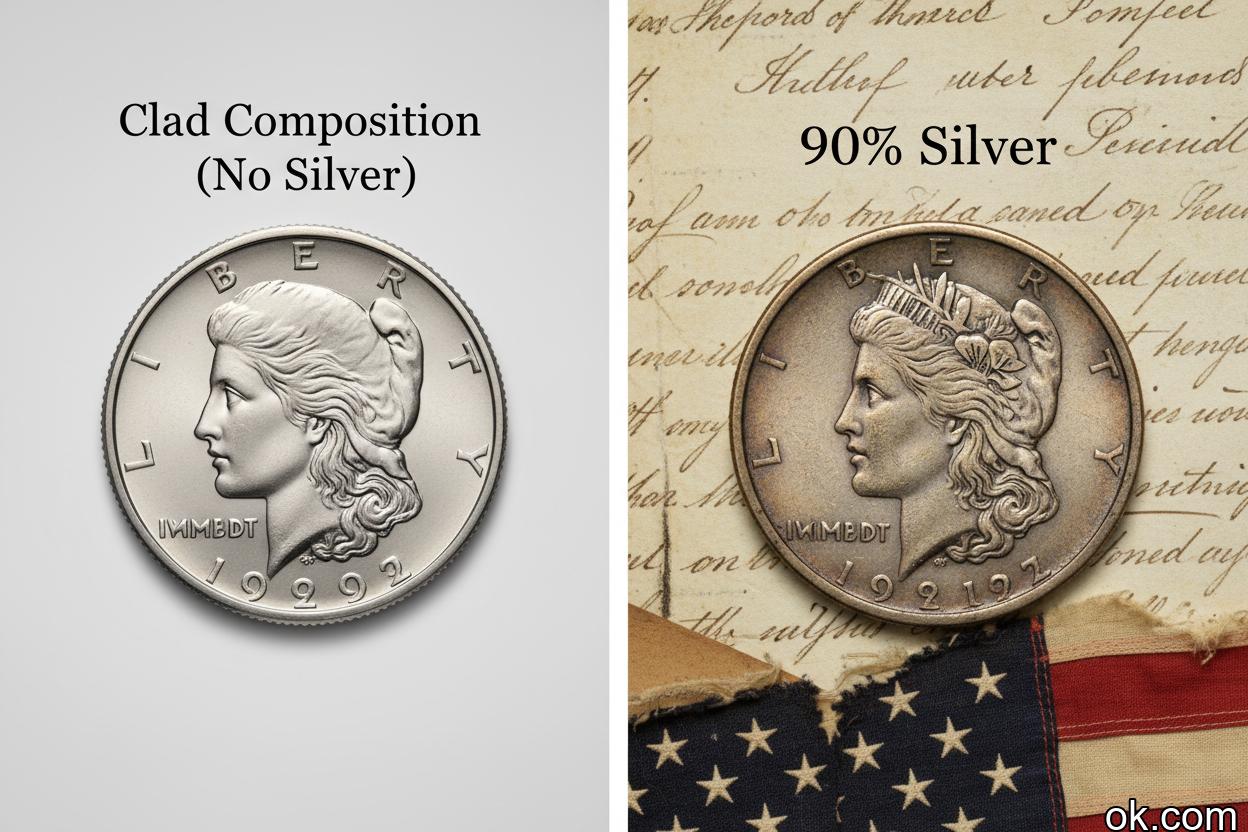
Now, here's where things get interesting. While the circulating 1979 Eisenhower dollars were clad, earlier years (specifically, 1971-1976) saw the production of 40% silver versions. These were intended as collector's items and typically bear an "S" mint mark, indicating they were struck at the San Francisco Mint. A 1971 Silver Dollar, is made of 40% silver, hovers between $18 and $6,500, depending on condition and other factors.
So, the trick to figuring out how much is a 1979 Eisenhower silver dollar worth lies in knowing whether you even have one. If your coin lacks the "S" mint mark, and you can see a copper-colored layer on the edge (a dead giveaway for clad coins), you've got a regular clad Ike.
But, if you have an "S" mint mark and suspect it's silver, then it's off to the races. This is where things get exciting.
Assuming you do have a 40% silver Eisenhower dollar (minted before 1977, as 1979 Ikes are not silver), here's what impacts its value:
Condition is King (or Queen): Coin grading is a whole science in itself, but basically, the better the condition, the more it's worth. Coins are graded on a scale, with "Mint State" (MS) being the highest. A circulated coin shows wear and tear.
Think of it like this: a brand-new car is worth more than the same car that's been driven for 100,000 miles. The same principle applies to coins.
According to the NGC Price Guide, as of December 2025, an Eisenhower Dollar from 1971 S in circulated condition is worth between $18.50 and $19.75. But, a pristine, uncirculated example could fetch considerably more, perhaps even hundreds or thousands of dollars depending on the specific grade.
Rarity & Demand: Certain mint marks or years are rarer than others. Demand from collectors also plays a role. If a particular variety is popular, its value will increase.
For example, even a 1978 Eisenhower Dollar in Mint State 65 is only worth about $18 because there are many of them. This low price does not reflect the difficulty in cherrypicking Gem-quality Ike
Eye Appeal: Sounds subjective, right? But it matters! A coin with a strong strike (crisp details) and attractive luster will be more desirable to collectors.
Okay, enough generalities. Let's get down to brass tacks and talk numbers. While I can't give you an exact price without seeing your specific coin, I can provide some examples based on current market data:
Remember, these are just examples. To get a true valuation, you'll need to consult with a reputable coin dealer or have your coin professionally graded.
While silver content and condition are the primary drivers of value for older Eisenhower dollars, here are a few other factors to consider:
Determining how much is a 1979 Eisenhower silver dollar worth (or any Eisenhower dollar, for that matter) can be a bit of a detective game. The 1979 versions are clad, meaning they won’t be worth more than their face value unless they are uncirculated and graded highly. The older silver versions have great value. If you think you have a valuable coin, it’s time to consult a professional. A knowledgeable coin dealer can assess your coin's condition, identify any potential errors or rarities, and provide you with a realistic appraisal. Do your homework, though! Find a dealer with a good reputation and plenty of experience. Don't be afraid to get a second opinion.
Happy coin hunting, and may your pockets be filled with treasure (both monetary and sentimental)! And hey, even if your Eisenhower dollar isn't worth a fortune, it's still a cool piece of history to hold in your hand. Now, go check those coin jars!