Browse

Log in / Register
 Share
Share
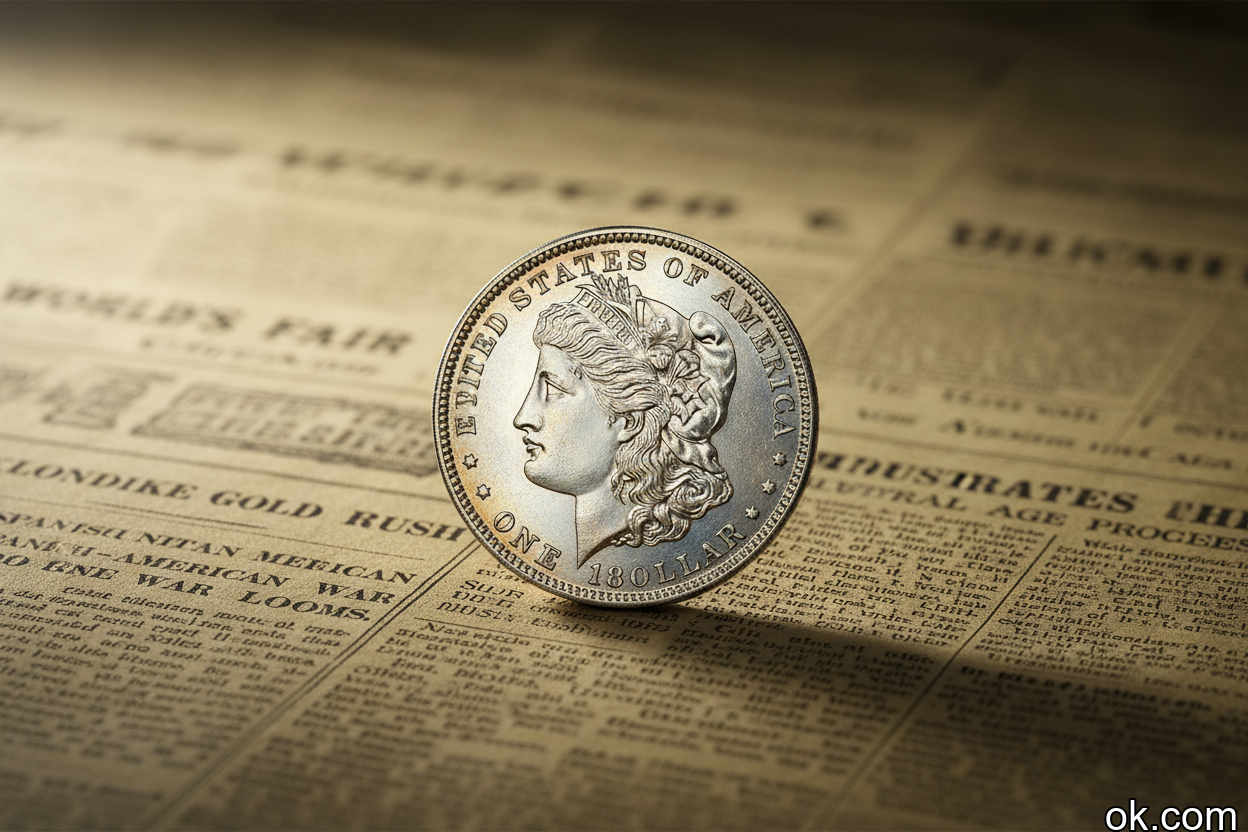
Ever find an old coin tucked away in a dusty box and wonder if you've struck gold? Or, at least, silver? Perhaps you've stumbled across a 1979 Canadian silver dollar and the question burning in your mind is: just how much is a 1979 Canadian silver dollar worth? It's a question that blends numismatic interest with a dash of financial curiosity. Let's unravel this coin's story, its composition, and ultimately, its value. Hint: It's probably not going to buy you a yacht. But it’s still pretty darn interesting.
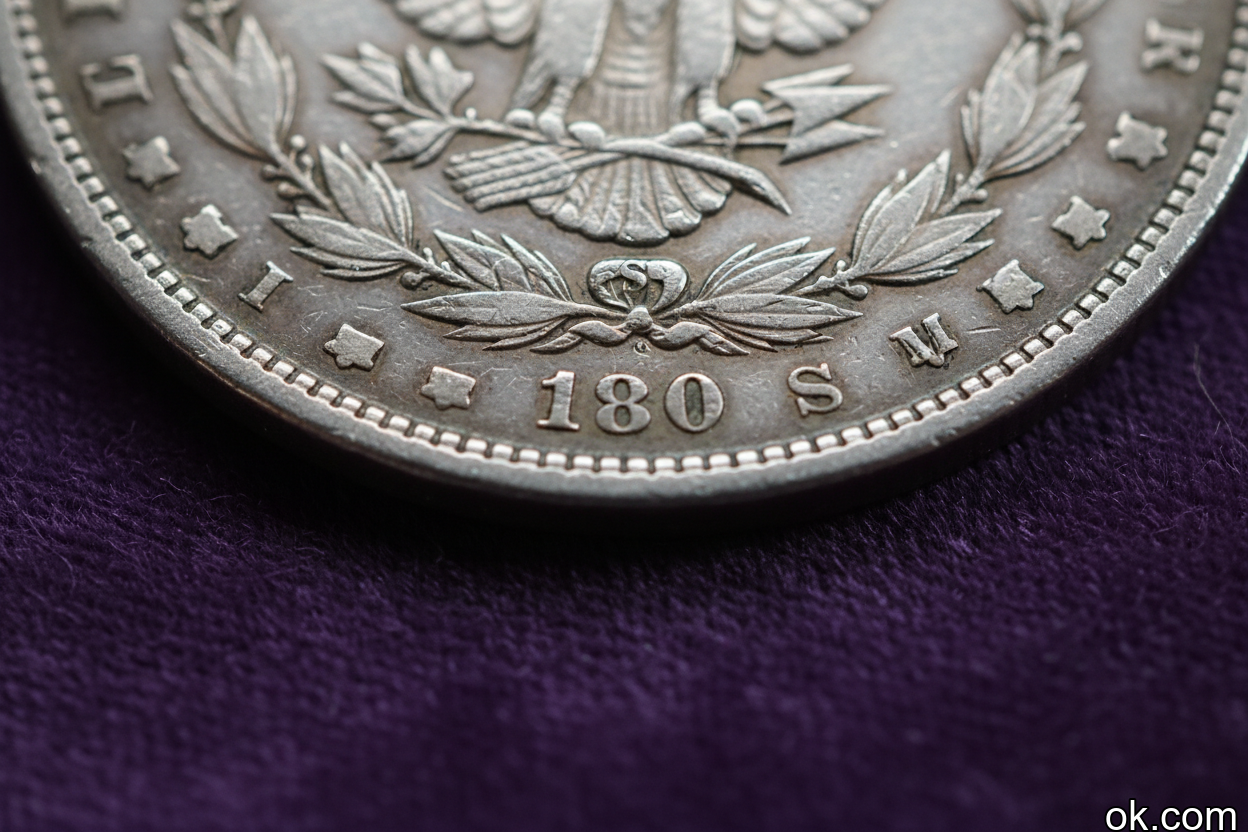
The 1979 Canadian silver dollar isn't just some random piece of metal. It's a commemorative coin, celebrating the tercentenary of the Griffon, a significant ship in Canadian history. It’s important to understand its context to appreciate its potential value, or lack thereof.
So, what's the deal with this Griffon ship everyone keeps talking about? Well, the coin features a depiction of this ship, a rather iconic image for Canadian history buffs. The mintage of the 1979 Griffon silver dollar reached approximately 1,250,000 coins. That seems like a lot, right? And you'd be right. This high mintage means it was easily accessible to collectors and the general public, which, unfortunately, impacts its rarity (and therefore, its sky-high price tag dreams).
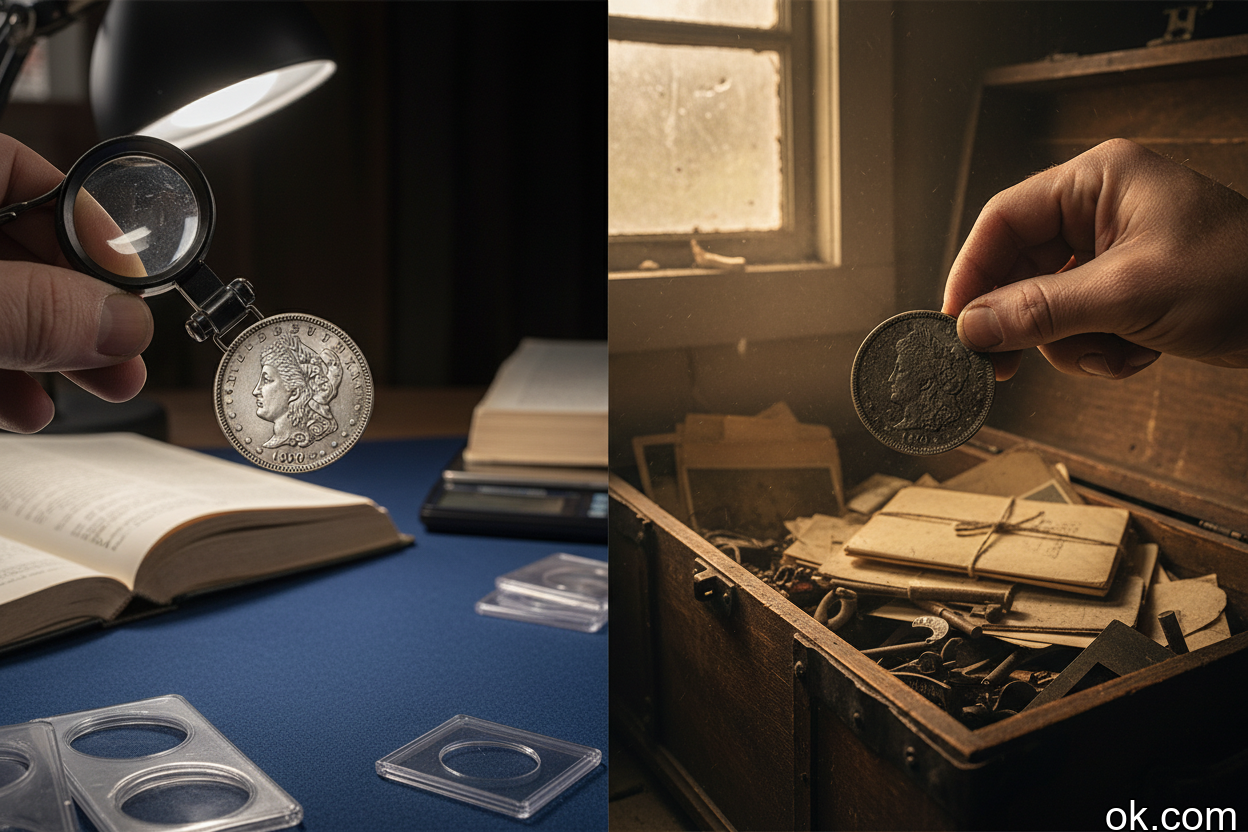
Okay, let’s get down to brass tacks. What determines how much is a 1979 Canadian silver dollar worth? There are several key factors that come into play.
First and foremost, it’s important to note that while it's often called a "silver dollar," the 1979 Canadian dollar isn't pure silver. It's actually 50% silver, with a silver weight (ASW) of 0.375 ounces. This is crucial because the coin's intrinsic value is directly tied to the current spot price of silver. As of late 2025, the melt value (the value of the silver content alone) was around $21.78. This provides a baseline for its worth. In other words, even if the coin is in terrible condition, it’s still worth at least the value of its silver content. And that figure can fluctuate with the market.
The condition of the coin significantly impacts its value. Coin grading scales range from Poor to Perfect Uncirculated (MS70). A coin in poor condition will likely only be worth its melt value, while a pristine, uncirculated specimen can fetch a higher price. Think of it like this: would you pay more for a brand new car or a rusted-out clunker? Same principle applies to coins.
While the 1979 silver dollar isn’t particularly rare due to its high mintage, certain errors or variations can dramatically increase its value. However, such errors are relatively uncommon, so don't get your hopes up too high! But it is worth checking closely. Look for any unusual markings, double dies, or off-center strikes. A keen eye could pay off.
There are different types of 1979 Canadian silver dollars, namely, specimen and circulated coins. A specimen coin is a coin that was specially struck and handled with extra care. These coins typically have a brighter finish and sharper details than circulated coins, which have been used in everyday transactions. You might find a 1979 Canadian $1 Silver PROOF Coin Queen Elizabeth II with Griffon, for example. These typically come in special packaging. The condition of specimen coins are usually better, which then impacts the value, too.
So, what does all of this mean in practical terms? How much is a 1979 canadian silver dollar worth on the open market? Let's look at some examples:
High-Grade Examples: According to recent sales data, a 1979 Canadian $1 Silver Dollar Griffon graded SP70 (the highest grade) by NGC (a coin grading service) sold for around $491.50. That's a significant premium over the melt value, but it represents a near-perfect example. However, that's definitely an outlier!
Mid-Range Examples: A 1979 Canada 1 Dollar Nickel graded ICCS SP67 (still a pretty good grade) sold for approximately $23.00. This is closer to what you might expect for a well-preserved coin that isn’t quite perfect.
Melt Value: As previously mentioned, even in poor condition, the coin is worth its silver content, which fluctuates but was around $21.78 in late 2025.
If you're looking to sell your 1979 Canadian silver dollar, or perhaps add one to your collection, here are a few options to consider:
So, to circle back to the original question: how much is a 1979 canadian silver dollar worth? The answer, as you've probably gathered, is "it depends." While you're unlikely to retire on your 1979 silver dollar find, it's still a piece of Canadian history with some intrinsic value.
Before you rush off to sell your coin, take a moment to appreciate its story. The Griffon represents a significant moment in Canadian maritime history, and this coin is a tangible reminder of that. Plus, it's a fun conversation starter!
If you're serious about collecting coins, consider getting your 1979 silver dollar professionally graded. While it costs money, it provides an objective assessment of its condition, which can increase its value and appeal to serious buyers. And if you are looking to purchase, make sure the seller is reputable! You don't want to get burned buying a fake coin. So, do your research, enjoy the hunt, and who knows, maybe you'll uncover another numismatic treasure along the way!