Browse

Log in / Register
 Share
Share

Ever stumble across an old coin and wonder if you've accidentally struck gold? Maybe you've got a shiny $1 coin from the year 2000 kicking around in a jar somewhere. The burning question then becomes: "How much is a $1 coin worth from 2000?" Well, buckle up, because the answer isn't as straightforward as you might think. It’s a bit like trying to predict the weather – there are several factors at play! Forget just a dollar – some of these coins can be surprisingly valuable.
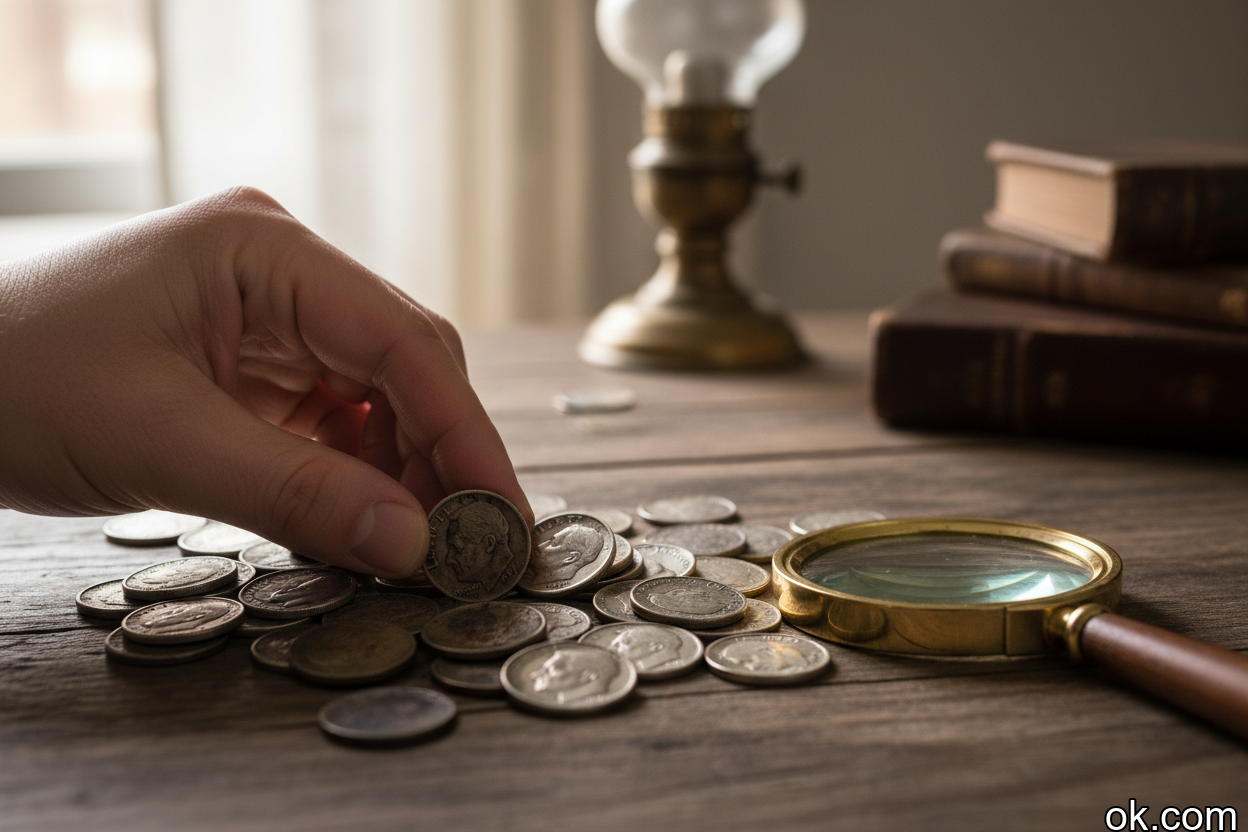
So, you've got a 2000-dated dollar coin. Is it worth a trip to the Bahamas, or just enough for a cup of coffee? Turns out, a few key things determine its true worth, and it's way more than just the face value. Let’s explore the primary value drivers:
This one's Coin Collecting 101, folks. The condition of your coin dramatically impacts its value. A coin fresh from the mint, with all its original luster, will always fetch a higher price than one that's been rattling around in someone's pocket for two decades. Think of it like this: a brand-new car is worth way more than the same model after it's been through a demolition derby, right?
Circulated: These coins have been used in everyday transactions. They'll show signs of wear and tear – scratches, dents, and faded details. Sadly, these are usually only worth slightly more than their face value, hovering around $1 to $5.
Uncirculated: These coins have never been in circulation. They retain their original shine and details. These can be worth significantly more, especially if they're graded highly by a professional grading service like PCGS or NGC. An uncirculated Sacagawea dollar, graded between MS60 and MS65, can fetch $10 - $30. Do you want to examine coins? To buy good coin visit ok.com to buy now
Where your coin was minted also affects its worth. The mint mark, a small letter stamped on the coin, tells you which U.S. Mint produced it. The most common ones you'll find on 2000 $1 coins are "P" (Philadelphia) and "D" (Denver). Generally, these are the more common and, thus, less valuable versions.
However, keep an eye out for coins without a mint mark. Wait, what? In some years, certain errors occurred, leading to coins being struck without the intended mint mark. This can add a premium.
This is where things get really interesting. Coin collecting is a treasure hunt, and errors are the buried treasure. Certain 2000 $1 coins have significant value due to errors or unique varieties.
The "Cheerios" Dollar: This is the Holy Grail for many Sacagawea dollar collectors. In 2000, General Mills included specially struck Sacagawea dollars in boxes of Cheerios as a promotional gimmick. These "Cheerios" dollars have enhanced tail feathers on the eagle reverse and can be worth a lot of money – we're talking upwards of $5,000 for a well-graded example (MS65+). It’s one of the key things any avid coin enthusiast will be looking for.
The "Wounded Eagle" or Struck Through Grease Error: Although I am not familiar with this specific error as it pertains to the 2000 Sacagawea Dollar, instances of coins exhibiting die cracks or struck through grease errors can add a modest premium
Mule Errors: Prepare to have your mind blown! The ultimate prize is the super rare Sacagawea dollar mule. This is a coin struck with the Sacagawea obverse (the front) and a different reverse (the back). In 2000, a few Sacagawea dollars were accidentally struck with the reverse of a State Quarter. These are incredibly rare and valuable. One such coin sold for over $56,350! I can hardly imagine finding one of those in my spare change.
Presentation Coins: Certain coins designated as Presentation strikes can fetch a premium. As reference material suggests the 2000 P Presentation coins can be valued at $300.00 to $225.00
Here's a quick rundown of potential 2000 $1 coin values:
| Coin Type | Condition | Approximate Value |
|---|---|---|
| Standard 2000-P/D | Circulated | $1 - $5 |
| Standard 2000-P/D | MS60-MS65 | $10 - $30 |
| 2000-P "Cheerios" Dollar | MS65+ | $5,000+ |
| Sacagawea Dollar Mule (w/ State Quarter Reverse) | Varies | $50,000+ |
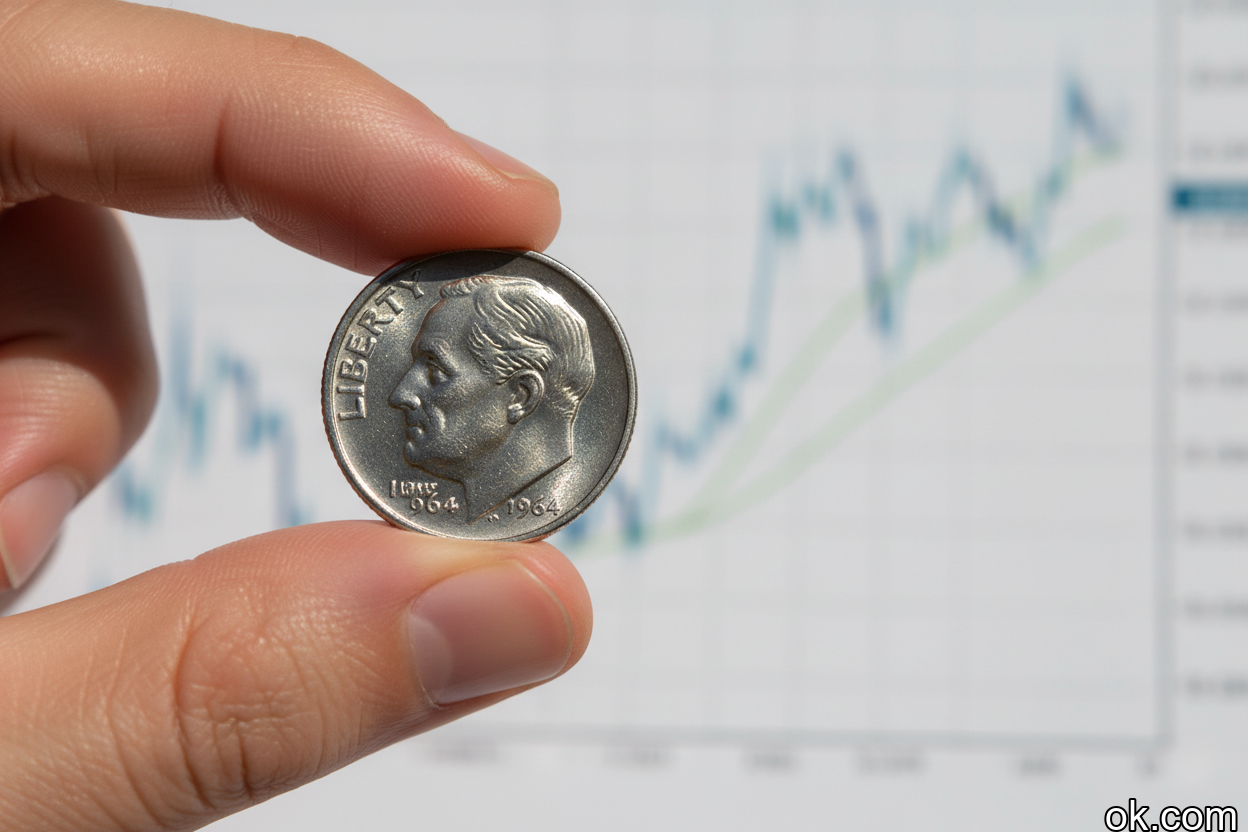
Okay, so you know about condition, mint marks, and errors. But there are a few other nuances that can influence the value of your 2000 $1 coin.
Professional coin grading services like PCGS (Professional Coin Grading Service) and NGC (Numismatic Guaranty Corporation) evaluate coins based on their condition and authenticity. They assign a grade (e.g., MS65, AU50) and encapsulate the coin in a tamper-evident holder. A graded coin generally commands a higher price because buyers trust the grading service's assessment. However, grading costs money, so only submit coins that you believe have the potential to be worth significantly more than the grading fee.
Coin values, like stock prices, can fluctuate based on supply, demand, and overall market sentiment. What's popular today might not be tomorrow. Keep an eye on auction results and dealer prices to get a sense of current market trends.
Sometimes, a coin's value isn't just about the money. Maybe it was a gift from a loved one, or you found it on a memorable trip. Sentimental value is real, even if it doesn't translate into dollars and cents. This is perhaps the most important point: It has the value you decide it has.
Let's bring it all together. How much is a $1 coin worth from 2000 in your hand? The answer requires some detective work:
Figuring out how much a $1 coin from 2000 is worth can be exciting. While most of these coins are only worth a few dollars, the possibility of uncovering a rare error or variety makes the hunt worthwhile. So, get out your magnifying glass, dust off those old coins, and see if you've got a hidden treasure waiting to be discovered! Who knows, you might just strike it rich! visit ok.com to buy now