Browse

Log in / Register
 Share
Share
Ever rummage through your grandpa's coin collection and stumble upon a hefty silver-colored dollar coin emblazoned with '1776-1976'? Suddenly, you're wondering, is this thing just pocket change, or did I strike gold? Well, you're not alone. Many a curious collector has pondered the very same question: how much is a $1 coin worth from 1776 to 1976? The answer, as you might suspect, isn't as straightforward as the coin's face value. Let's dive in, shall we?
The 1776-1976 one-dollar coin, officially known as the Bicentennial Eisenhower dollar (or, more colloquially, the "Ike" dollar), was minted to commemorate the 200th anniversary of the Declaration of Independence. A noble cause, indeed! But does that automatically translate to big bucks today? Not necessarily. Several factors influence its worth, turning a potentially common coin into a collector's item.
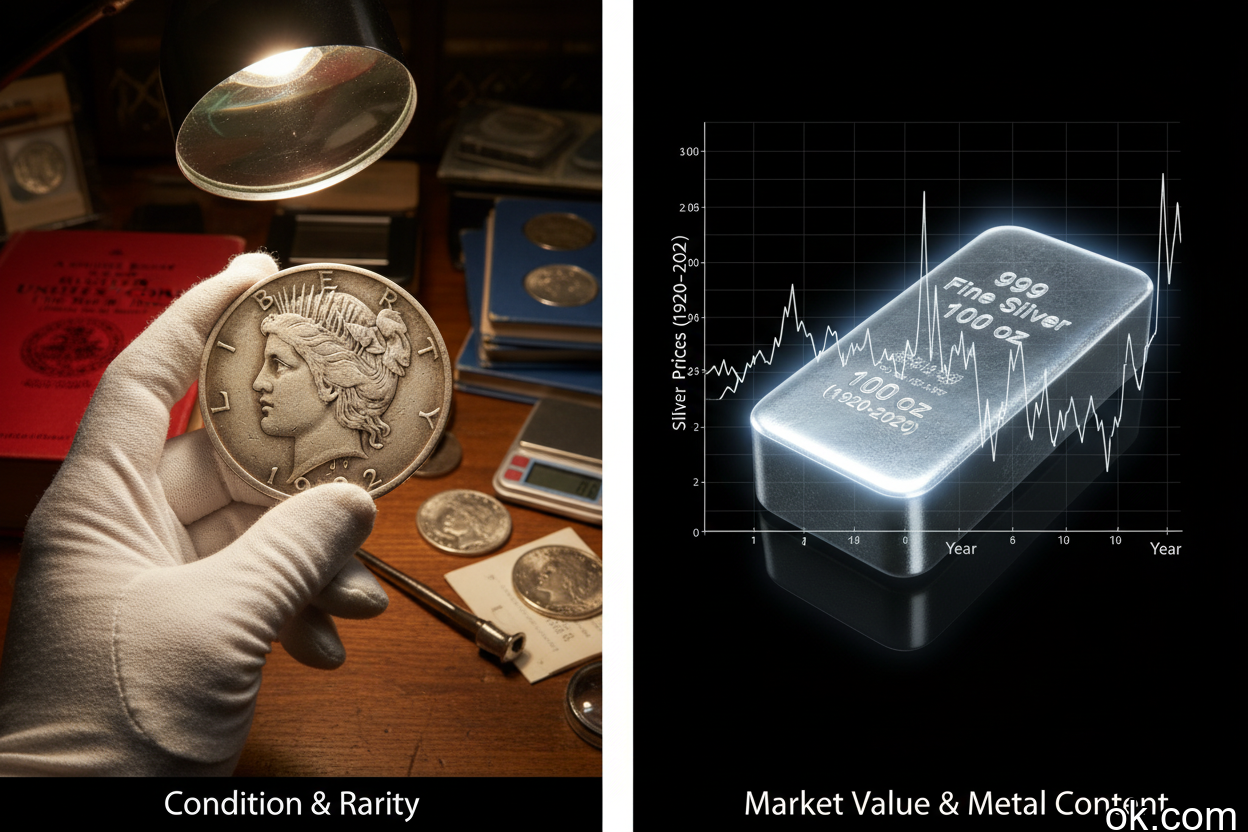
Let's get the obvious out of the way first: the condition of your 1776-1976 dollar coin plays a massive role in determining its value. A heavily circulated coin, worn smooth by years in pockets and purses, will fetch significantly less than a pristine, uncirculated example. Think of it like this: would you rather have a beat-up old car or a gleaming, showroom-fresh model? Same principle applies here.
For circulated 1776-1976 dollars, you might be looking at values hovering around the dollar amount itself. However, there are some exceptions. Now, I know what you're thinking - what could they be?
The mint mark, a tiny letter indicating where the coin was produced, can also influence its value. The Bicentennial dollars were minted at three different locations:
Here's a table breaking it down:
| Mint Mark | Metal Composition | Condition | Estimated Value |
|---|---|---|---|
| None | Clad | Circulated | $1 - $2 |
| None | Clad | Uncirculated | $2 - $5 |
| D | Clad | Circulated | $1 - $2 |
| D | Clad | Uncirculated | $3 - $4 |
| S | Clad | Circulated | $1 - $3 |
| S | Clad | Uncirculated | $4 - $7 |
| S | Silver-Clad | Circulated | $10 - $20 |
| S | Silver-Clad | Uncirculated/Proof | $20 - $40+ |
It is important to note these values can vary depending on grading services!
Here's where things get interesting! Most 1776-1976 Eisenhower dollars were made of a copper-nickel clad composition (meaning they're not silver). However, a special 40% silver-clad version was also produced, primarily for collectors. These silver versions, bearing the "S" mint mark, are worth significantly more than their clad counterparts. I mean, who doesn't like silver?
How can you tell the difference? Silver-clad versions have a slightly different appearance and a different "ring" when dropped on a hard surface. Plus, they contain actual silver, adding to their intrinsic value.
Now, let's move past the theory and get into some concrete examples. While I can't give you a guaranteed price for your specific coin without seeing it, here are some general observations and data points:
Someone actually unearthed information about an extremely rare case! The article "Rare 1776 - 1976 Bicentennial One Dollar: Worth BIG ...." alludes to a hypothetical value of $359 million for a specific 1776-1976 Eisenhower dollar coin. While highly unlikely (and perhaps a bit of hyperbole), it underscores the potential for significant value in rare and exceptional examples.
Consider also that, according to research on "1776 to 1976 One Dollar Coin Value," the 1976 silver dollar's value can range from $10 to $30, depending on its condition. That's a substantial jump from face value!
While we've focused primarily on the monetary value of these coins, it's crucial to remember the sentimental value they can hold. Perhaps your coin was passed down through generations, representing a tangible connection to your family history. Maybe it reminds you of a specific moment in time or a loved one. These personal connections are often priceless and transcend any dollar amount.
So, how much is a $1 coin worth from 1776 to 1976? As we've seen, the answer is multifaceted. Condition, mint mark, and silver content all play crucial roles in determining its value. While most circulated clad versions won't make you rich, pristine uncirculated examples and, especially, the silver-clad versions can be worth a respectable sum.
If you've got a 1776-1976 dollar coin gathering dust somewhere, it might be worth investigating further. A local coin dealer can provide a professional assessment, or you can do some research online using reputable coin valuation resources.
And if you're thinking about adding one of these historical treasures to your collection, or maybe you're looking to sell your own, why not visit ok.com? They have a wide range of coins available, with prices that might just surprise you! Check the price and make a purchase today!