ok.com
Browse
Log in / Register

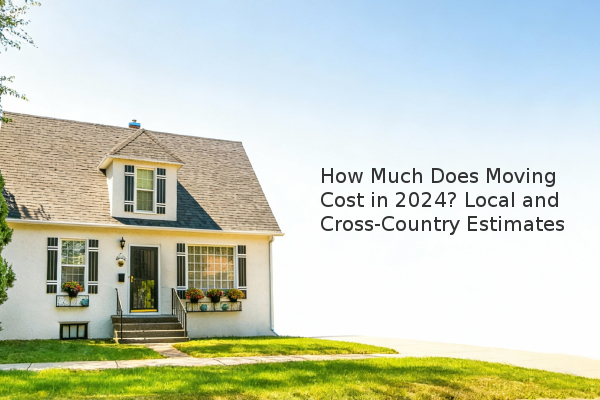
How Much Does Moving Cost in 2024? Local and Cross-Country Estimates

OKer_jikyt2b
12/04/2025, 02:07:27 AM
How Much Does Moving Cost in 2024? Local and Cross-Country Estimates

The total cost of a move primarily depends on distance and home size, with local moves averaging $80-$100 per hour and long-distance moves ranging from $2,000 to $5,000. Beyond the mover's fee, your budget must account for packing supplies, insurance, and potential storage. This guide breaks down the variables to create an accurate relocation budget.

How Much Does a Local Move Cost?

Local moves, classified as under 100 miles, represent the majority of relocations. Professional movers typically charge an hourly rate that includes a truck and a two-person crew. The total cost is directly tied to how long it takes to load, transport, and unload your belongings. Based on industry data from sources like HomeAdvisor, sellers often pay around $475 for a local move.

Size of HomeEstimated TimeAverage Cost Range
1-Bedroom Apartment3-5 hours$240 - $500
2-Bedroom Apartment4-7 hours$320 - $700
3-Bedroom House6-8 hours$480 - $800
4-Bedroom House8-12 hours$640 - $1,200

How far in advance should you book local movers? During the peak season (May-September), book at least four weeks in advance. For moves between October and April, one to two weeks' notice may suffice. Scheduling your move from Monday to Thursday can also lead to lower rates.

What is the Price to Move Across the Country?

For interstate or cross-country moves (over 100 miles), companies calculate costs based on weight and distance, not time. The moving truck is weighed empty and then again once loaded. The cost is calculated using the net weight of your belongings.

  • Weight: A 1,000-square-foot home's contents weigh approximately 5,000 pounds, while a 2,800-square-foot home can be around 20,500 pounds.
  • Distance: You are charged a per-mile rate on top of the weight charge. Always inquire about additional fees for fuel or tolls.

For long-distance moves, you should secure a mover six to eight weeks before your planned relocation date to ensure availability and potentially better pricing.

What Level of Moving Service Should You Choose?

Your total moving expenses will vary significantly based on the service level you select.

  • Truck Rental Only: You handle all packing, loading, and driving. Daily truck rentals start at approximately $20 per day, plus gas and mileage.
  • Loading and Unloading Service: You pack, but professionals handle the heavy lifting. For a local move, this ranges from $200 for a one-bedroom to over $1,000 for a large house.
  • Full-Service Move: The moving company manages everything from packing to unloading. This is common for long-distance moves and costs $2,000-$5,000 for transportation, plus about $0.50 per pound and hourly rates for packing labor.
  • Temporary Storage: If your move-in dates don't align, storage costs $50-$400 per month. Portable storage units delivered to your home cost $150-$300 monthly, plus delivery fees.

What Are Common Unexpected Moving Costs?

A thorough budget accounts for potential surcharges. Reputable movers should disclose these possibilities upfront.

  • Transportation Surcharge: Higher labor costs in metropolitan areas.
  • Insurance: Released Value Protection is included at no cost but offers minimal coverage (e.g., $0.60 per pound per item). Full Value Protection is more comprehensive but adds to the cost.
  • Special Items: Fees for moving pianos, safes, vehicles, or fragile antiques.
  • Access Issues: Charges for long carries (over 75 feet from truck to door), stairs, or elevator use.
  • Shuttle Service: If a large truck cannot access your street, a smaller shuttle truck may be needed, adding cost.
  • Storage Delay: Unplanned storage if your new home is not ready upon arrival.

How Do Moving Cost Agreements Work?

Always get a written estimate. Reputable companies use standards from the Household Goods Carrier Bureau (Tariff 400-N). Understand the two main quote types:

  • Non-Binding Estimate: This is the mover's initial guess of the cost, but the final bill can be higher based on the actual weight of your shipment.
  • Not-to-Exceed Estimate: The company commits to a maximum price. If the actual weight is less, you pay the lower amount. This option provides significant budget certainty.

To control costs, plan meticulously and declutter to reduce the total weight of your shipment. Obtaining multiple not-to-exceed estimates is the most effective way to avoid budget overruns and ensure a smooth transition.


Cookie
Cookie Settings
Our Apps
Download
Download on the
APP Store
Download
Get it on
Google Play
© 2025 Servanan International Pte. Ltd.