Browse

Log in / Register
 Share
Share
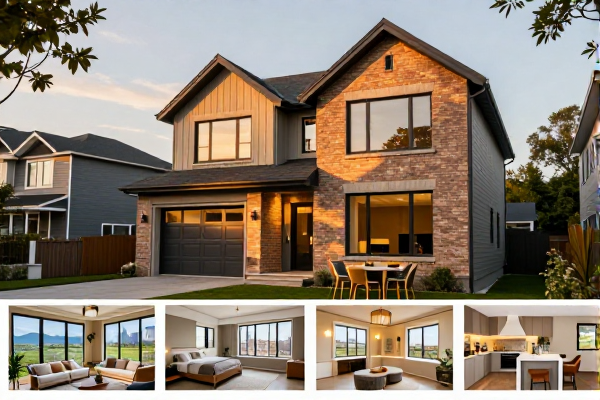
Building a custom home in 2026 involves a complex interplay of factors, with the national average cost falling between $350,000 and $550,000 for a standard 2,500-square-foot property. However, this figure is highly dependent on your location, the home's size, and the quality of materials. This guide provides a data-driven breakdown of current construction costs to help you establish a realistic budget.
The most common way to estimate building costs is by the square foot. As of early 2026, the average cost per square foot ranges from $150 to $250 across the United States. This wide range accounts for significant regional variations. For example, labor and material costs in California are substantially higher than in the Midwest. It's crucial to understand that this cost typically includes construction, but not the price of the land itself. A key term to know is Soft Costs, which are non-construction expenses like architectural fees, permits, and Title Insurance (a policy that protects the homeowner and lender from financial loss due to defects in the property title).
The table below illustrates the estimated cost per square foot in different regions:
| Region | Low-End Cost/Sq.Ft. | High-End Cost/Sq.Ft. |
|---|---|---|
| South Atlantic (e.g., FL, GA) | $140 | $190 |
| Midwest (e.g., OH, IL) | $130 | $180 |
| Mountain West (e.g., CO, AZ) | $160 | $220 |
| Pacific West (e.g., CA, WA) | $220 | $350+ |
| Northeast (e.g., NY, MA) | $180 | $280 |
Breaking down the total cost helps you understand where your money is going. The largest expense is typically the "shell" of the house, including the foundation, framing, and roofing, which can consume 40-50% of the budget. Following this are interior finishes like flooring, cabinetry, and plumbing fixtures, where choices can dramatically impact the final price. High-end custom builds will see costs escalate quickly.
Other significant expenses include:
The cost of the land is a separate and critical factor. In dense urban areas or highly desirable suburbs, the land cost can easily equal or exceed the cost of construction. Before you even break ground, you'll need to pay for a land survey and soil testing. Furthermore, if the property is not already connected to municipal services, you'll face substantial costs for installing a well, septic system, or extending utility lines. These "off-grid" necessities can add $30,000 to $75,000 to your total project cost.

Beyond the obvious line items, several hidden costs can surprise first-time builders. These include Property Tax reassessments (once the new home is assessed, your tax bill will likely increase), temporary utility connections during construction, and landscaping after completion. It is also wise to budget a contingency fund of 10-15% of the total construction cost to cover unforeseen issues like material price hikes, weather delays, or unexpected site conditions discovered during excavation.
To build a realistic budget for your new home in 2026, start with location-specific square foot costs, factor in the price of land, and always include a generous contingency fund for unexpected expenses. Consulting with a local builder for a preliminary estimate based on your specific plans is the most reliable first step.