Browse

Log in / Register
 Share
Share
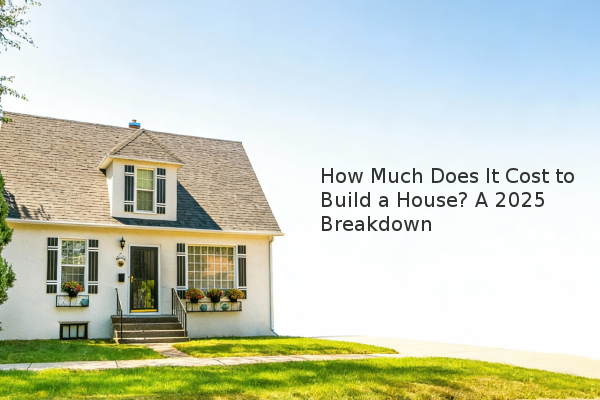
Building a new home in the United States involves significant financial planning, with total costs highly dependent on your choices and location. Based on recent data, the average cost to build a house ranges from $137,901 to $523,890, not including the price of land. This guide breaks down the key factors influencing your final price and provides practical financing advice to help you prepare.
Understanding current market averages is the first step in budgeting. It's important to distinguish between the sale price of a new construction home and the pure construction cost. According to a July 2024 analysis, newly built homes can cost $3.50 less per square foot than existing homes. However, overall prices are subject to market forces.
Recent data from authoritative sources highlights the market climate:
These figures often include the lot and builder profit, explaining the variance from pure construction cost ranges.
The final price of your custom build is not a single number but a sum of many parts. Several key elements will significantly impact your budget.
1. Location Your geographic area is one of the most substantial cost drivers. Land prices, local labor rates, and regulatory requirements vary dramatically. For example, regions in the South may have lower costs due to fewer regulations, while high-demand areas see elevated prices for both labor and land, which can add $3,000 to $150,000 to your total project cost.
2. Labor and Timing Labor costs are influenced by local market conditions. In some markets, builders may offer incentives like covering closing costs or rate buy-downs, which can effectively lower your expenses. Furthermore, the time of year and potential delays in permitting or construction can add up to $60,000 to a project. Planning for contingencies is crucial for staying on budget.
3. Materials and Interior Finishes Your selections for materials and finishes allow for significant budget control. According to the NAHB, interior finishes account for about 25% of total construction costs. Within that, about 14% is allocated specifically to finish selections. Opting for more affordable countertops, flooring, or fixtures is a direct way to manage your overall spend.
Financing a new construction is different from obtaining a mortgage for an existing home. The most common route for a custom build is a construction loan. This type of loan typically covers the building phase and then converts into a standard permanent mortgage upon the home's completion.
To navigate this process effectively, it is advisable to speak with a loan officer to understand options specific to your area. A strong financial profile can help you qualify for more favorable interest rates. You can also use online tools to determine your home-buying budget based on your income, debts, and current mortgage rates.
Building a home is a major undertaking, but thorough preparation can lead to a successful outcome. Based on our experience assessment, the most critical steps are:
The key to a successful build is meticulous planning and working with experienced professionals to avoid costly surprises.