Browse

Log in / Register
 Share

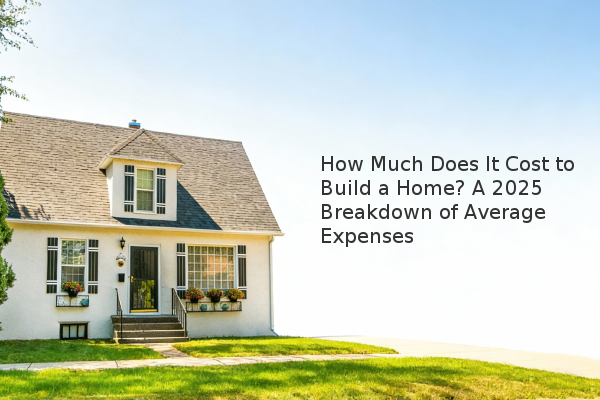
Building a new home in the United States involves a complex interplay of factors, but the core financial takeaway is clear: the national average cost to build a single-family home ranges from $150 to $400 per square foot. For a typical 2,500-square-foot home, this translates to a total construction cost between $375,000 and $1,000,000, with land, permits, and additional fees extra. The final price is highly dependent on location, home size, material quality, and labor rates.
The most straightforward way to estimate building costs is by the square foot. This metric helps standardize comparisons despite variations in home size. According to recent construction industry data, the current average falls within the $150-$400 per square foot range. However, this is purely the "sticks and bricks" cost. It does not include the price of the land, which can be a significant additional expense. For a more precise estimate, consider these regional averages, which reflect differences in labor and material costs:
| Region | Average Cost Per Sq. Ft. (Low End) | Average Cost Per Sq. Ft. (High End) |
|---|---|---|
| South | $120 - $180 | $250 - $350 |
| Midwest | $130 - $190 | $260 - $370 |
| Northeast | $160 - $240 | $300 - $450 |
| West | $180 - $280 | $350 - $500 |
Several primary elements will dramatically impact your final budget. Understanding these variables is crucial for realistic financial planning.
1. Location and Land Costs: The geographic location of your build is perhaps the most significant cost driver. Building in a high-cost-of-living area like California or New York will incur higher labor wages, material transportation fees, and stricter building code requirements. The cost of the land itself, including site preparation like grading and excavation for a challenging lot, can add tens or even hundreds of thousands of dollars to your project.
2. Home Size and Layout: A larger home requires more materials and labor, increasing the total cost. However, a two-story home with the same square footage as a one-story ranch will often have a lower roof and foundation cost per square foot. The complexity of the layout also matters; a simple rectangular design is more cost-effective than one with numerous corners, angles, and custom features.
3. Material and Labor Expenses: The quality of materials you choose—from standard vinyl windows to high-end hardwood flooring and custom cabinetry—directly affects the budget. Similarly, labor costs, which typically account for 30% to 60% of the total construction cost, vary by region and the current demand for skilled contractors. Supply chain issues can also cause material prices to fluctuate.
Many prospective builders focus on the physical construction but overlook "soft costs." These are non-construction expenses essential to completing the project. They include:
In summary, the cost to build a home extends far beyond the square footage price. To create an accurate budget, you must account for land acquisition, regional labor rates, material selections, and all associated soft costs. Always secure multiple detailed quotes from licensed builders and include a substantial contingency fund to navigate the unpredictable nature of custom home construction successfully.