Browse

Log in / Register
 Share
Share
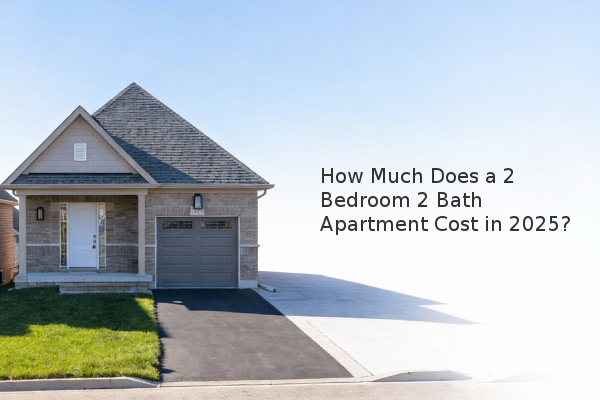
The average monthly rent for a 2-bedroom, 2-bath apartment in the United States is projected to range from $1,800 to $2,500+ in 2025, with the final cost heavily dependent on location, building amenities, and market conditions. This price range represents a national average, but significant variations exist from state to state and between metropolitan and suburban areas. Understanding the key factors that influence this cost is essential for effective budgeting.
Several variables directly impact the rental price. Location is the primary determinant; apartments in major metropolitan hubs like New York City or San Francisco command a premium compared to similar units in suburban or rural areas. The building's amenities, such as in-unit laundry, a fitness center, a concierge, or a swimming pool, also add to the monthly cost. The unit's square footage and layout play a role, with open-concept designs or units with balconies often priced higher. Finally, the overall local real estate market conditions, including supply, demand, and seasonal fluctuations, will affect pricing.
Beyond the base rent, prospective tenants must budget for additional expenses. A security deposit, typically equal to one month's rent, is usually required. Some properties may charge non-refundable application fees for background and credit checks. It's also crucial to clarify which utilities (e.g., water, gas, electricity, trash, internet) are included in the rent and which are the tenant's responsibility.
Geographic location creates the most dramatic price differences. To illustrate, the table below provides a snapshot of estimated average monthly rents for a 2-bed, 2-bath apartment in different regions for 2025.
| Region/State Example | Estimated Average Monthly Rent (2025) |
|---|---|
| Northeast (e.g., Boston, MA) | $3,200 - $4,500 |
| West Coast (e.g., Los Angeles, CA) | $2,800 - $4,000 |
| Sun Belt (e.g., Phoenix, AZ) | $1,600 - $2,200 |
| Midwest (e.g., Chicago, IL) | $2,000 - $2,800 |
| Southeast (e.g., Atlanta, GA) | $1,700 - $2,400 |
These figures are estimates based on current market trends and should be used as a general guide. Property taxes and local demand are key drivers behind these regional disparities. States with higher property taxes often see those costs passed on to tenants through higher rents.
The 2-bedroom, 2-bath layout offers distinct advantages. It provides excellent flexibility for roommates, as each occupant can have a private bathroom, reducing potential conflicts. The second bedroom can also serve as a home office, a guest room, or dedicated storage space. This configuration is often seen as a sweet spot between affordability and spaciousness.
However, there are considerations. This unit type is typically more expensive than a 2-bedroom, 1-bath apartment. If the second bathroom is not a necessity, the cost savings of a one-bath unit could be significant. Additionally, these units may be less common in older buildings, potentially limiting options in certain neighborhoods.
When creating a rental budget, account for costs beyond the advertised monthly rent. Renter's insurance is highly recommended and often required by landlords to protect personal belongings against theft or damage. If you have a pet, expect to pay a pet deposit and/or a monthly pet rent. Potential parking fees for a dedicated spot in a garage or lot can add a substantial monthly expense. Always inquire about these fees during the apartment tour to avoid surprises.
In summary, securing a 2-bedroom, 2-bath apartment requires a clear understanding of both the visible and hidden costs. Start your search by firmly establishing your budget, including all potential fees. Prioritize your must-have amenities versus those you can compromise on to find the best value. Finally, always read the lease agreement thoroughly before signing to ensure you understand all financial obligations.