Browse

Log in / Register
 Share
Share

Ever dug through your grandma's attic and stumbled upon a jar of old coins? Maybe a glint of silver caught your eye, and you pulled out a half dollar dated 1776-1976. "Score!" you think. But is it really a score? "Exactly how much are half dollars worth from 1976?" becomes the burning question. Turns out, the answer is a bit more nuanced than a simple 50 cents. It can vary wildly. Let's jump into the fascinating world of Bicentennial Kennedy half dollars and uncover their true value, shall we?
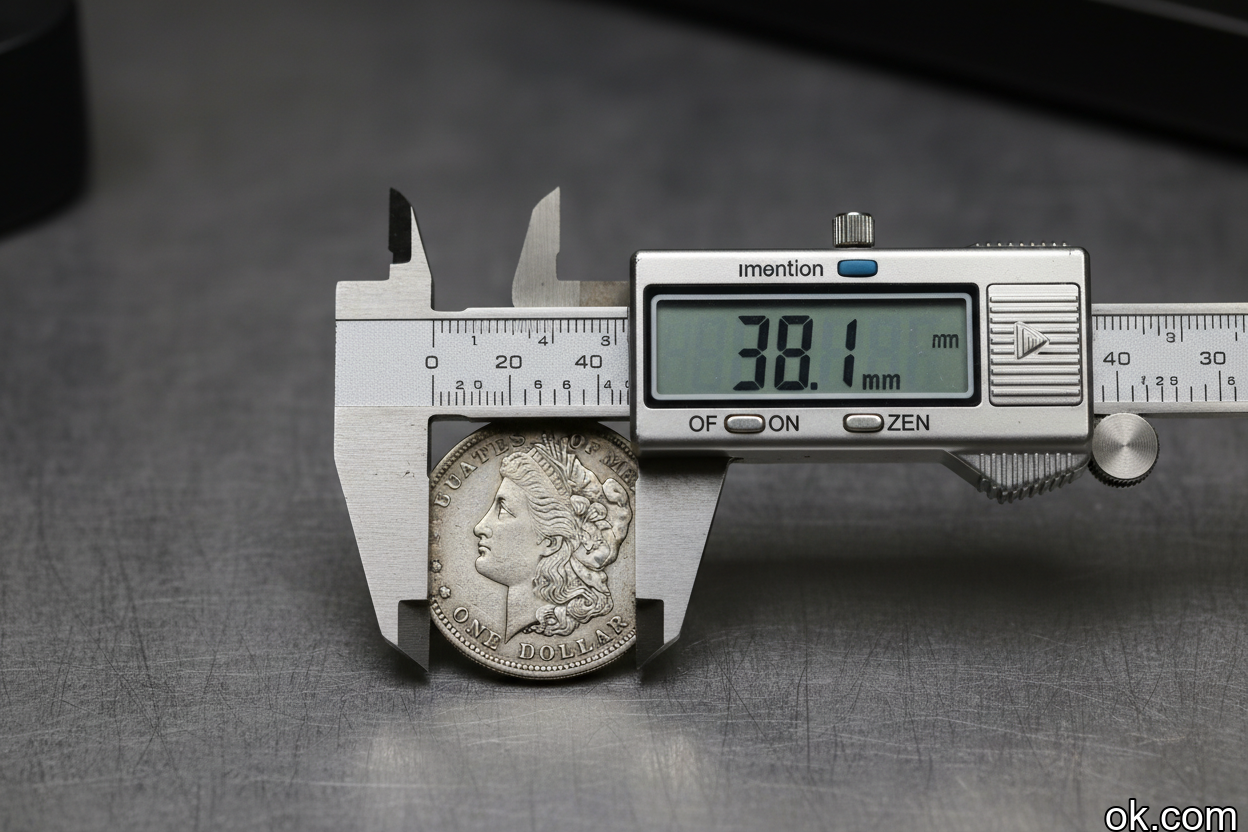
So, you've got a 1776-1976 half dollar in your hand. The first thing to understand is that these coins weren't just minted in 1976. They were actually struck in both 1975 and 1976 to celebrate the American Bicentennial. Kinda neat, right?
But here's the kicker: not all 1976 half dollars are created equal. Several factors influence their worth, from their condition to their mint mark (or lack thereof) and, crucially, whether they contain silver. Think of it like this – finding one is like panning for gold. Sometimes you get a tiny flake, sometimes... well, let’s just say dreams of early retirement.
Okay, let’s break down the key factors that dictate "how much are half dollars worth from 1976?"
This is Coin Collecting 101. A circulated (i.e., used and worn) 1976 half dollar is typically worth...well, face value. We're talking around 50 cents. Bummer, I know. But a pristine, uncirculated coin? That's where things get interesting.
Most 1976 half dollars you'll find aren't silver. They're clad – meaning they're made of layers of different metals. However, there are 40% silver versions out there, and these are worth considerably more. These silver coins were generally produced for collectors as proofs and are usually found with an "S" mint mark (for San Francisco).
According to the NGC Price Guide, as of December 2025, a Kennedy Half Dollar from 1776-1976 S in circulated condition is worth between $8.75 and $9.25. This is a significant increase over the clad versions.
So, how do you tell if yours is silver? Look for that "S" mint mark! And if you're feeling ambitious, you can weigh it. Silver versions will have a different weight than the clad ones.
Speaking of mint marks, they tell you where the coin was struck. The most common ones you'll find are:
Here's a table summarizing the value ranges:
| Coin Type | Condition | Estimated Value | Notes |
|---|---|---|---|
| 1976 (No Mint Mark) Clad Half Dollar | Circulated | $0.50 - $3.00 | Common, minimal value unless in pristine condition. |
| 1976-D Clad Half Dollar | Circulated | $0.50 - $3.00 | Common, minimal value unless in pristine condition. |
| 1976-S 40% Silver Half Dollar | Circulated | $8.75 - $9.25 | Significantly more valuable due to silver content. |
| 1976 (No Mint Mark) Clad Half Dollar | Uncirculated | $5.00 - $20.00 | Value increases with higher grades. |
| 1976-D Clad Half Dollar | Uncirculated | $5.00 - $20.00 | Value increases with higher grades. |
| 1976-D Bicentennial Kennedy Half Dollar | UNC | $1.00 - $2600 | Depends on Grading |
| 1776-1976 Clad Half Dollar | Mint State (Graded) | $1.20 - $400.00 | Value increase with higher grades. |
It's essential to note that these are estimates and actual values may vary based on market conditions and the specific coin.
If you really hit the jackpot, you might find a 1976 half dollar with an error. These are rare and can be quite valuable. We're talking potentially thousands of dollars, depending on the error and its severity.
One reported error involves a missing part of the word "INDEPENDENCE". If you think you’ve spotted an error, get it professionally authenticated! It might just pay off your mortgage. Or at least a few months of rent.
Look, even if your 1976 half dollar isn't worth a fortune, it's still a cool piece of history. It represents a significant moment in American history, and owning one connects you to that past. I mean, who doesn't love holding a little piece of the Bicentennial in their hand? It’s like a time capsule!
Plus, coin collecting is just plain fun! It's a hobby that can be enjoyed by people of all ages, and it's a great way to learn about history and numismatics (the study of coins).
So, "how much are half dollars worth from 1976?" The answer, as we've seen, is "it depends." Circulated clad versions are worth close to face value. Uncirculated and silver versions are worth more. And error coins? Well, they could be worth a small fortune. It's best to check prices and condition, as stated earlier in the article to get the best evaluation
If you're serious about determining the value of your 1976 half dollar, I recommend consulting with a professional coin appraiser or grading service. They can give you an accurate assessment of its condition and authenticity. Or, if you’re looking to just add one to your collection, visit ok.com to check the price and buy one today. Good luck, and happy hunting!