Browse

Log in / Register
 Share
Share

Ever rummaged through your grandma's attic and stumbled upon a dusty old coin? Maybe it was a 1964 half dollar, gleaming faintly beneath the cobwebs. And instantly, you probably wondered: "Hey, how much is a 1964 pure silver half dollar worth, anyway?" Well, you're not alone! This seemingly simple question has a surprisingly complex answer. Let's dive in, shall we?
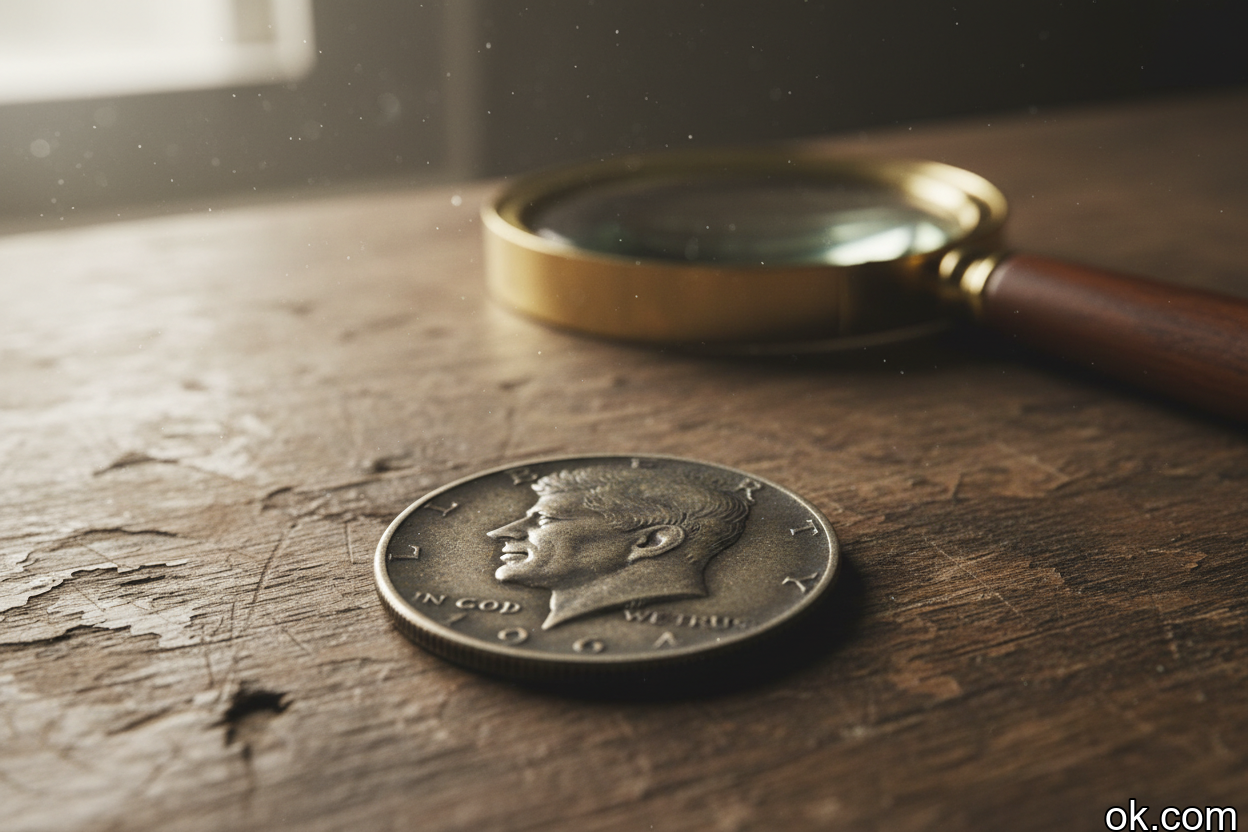
Those 1964 Kennedy half dollars weren't just used for buying a soda or making a phone call (remember those days?). They're special because they're made of 90% silver. Yep, nearly pure silver! This fact alone significantly impacts their value. It's not just about the pretty picture of JFK; it's about the inherent worth of the metal itself. But there's more to it than that...
Okay, so here’s the thing. There are two main ways to think about the value of your 1964 half dollar: its melt value and its collector's value. They are not the same. Understanding the difference is key to figuring out what you can realistically expect to get for your coin.
Melt value is exactly what it sounds like: how much the silver in the coin is worth if you melted it down. As of December 4, 2025, the melt value of a 1964 Kennedy half dollar was around $20.86. This value fluctuates daily with the spot price of silver, of course, so keep an eye on the market! It’s like watching the stock market, but for shiny metals.
| Date | Melt Value (approx.) |
|---|---|
| Dec 4, 2025 | $20.86 |
| July 2025 | $13.52 |
But wait! Don't run off to the nearest furnace just yet. The melt value is the minimum you can expect, but collectors might pay a premium.
This is where things get interesting. The collector's value is what coin collectors (numismatists, to be precise) are willing to pay for the coin above and beyond its silver content. This depends on several factors:
Condition: Is your coin sparkling and pristine (uncirculated), or has it been jingling around in pockets for decades (circulated)? The better the condition, the higher the value, generally speaking.
Mint Mark: While all 1964 Kennedy half dollars are valuable due to their silver content, some mint marks (or lack thereof) can add a little extra.
Rarity: Were there any errors or unusual variations in the minting process that make your coin stand out? Unique coins are gold...or silver!
Eye Appeal: This is subjective, but does the coin just look good? Does it have a nice luster? Is it free from distracting blemishes? This can sway a collector's opinion (and wallet).
Examples of Collector's Value:
Let’s talk more about condition, because it really is the decider in most cases. Think of it like this: would you rather buy a brand-new car or a beat-up clunker? The same principle applies to coins.
Uncirculated (MS): These coins are in pristine condition, straight from the mint. They haven't been handled much (if at all) and retain their original luster.
About Uncirculated (AU): These coins have slight wear, but still retain most of their original luster. They might have a few minor scratches or imperfections.
Extremely Fine (EF or XF): These coins show moderate wear, but the details are still sharp and clear.
Very Fine (VF): These coins show significant wear, but the major details are still visible.
Fine (F): These coins are worn, but the design is still discernible.
Very Good (VG): These coins are heavily worn, and some details may be faint.
Good (G): These coins are very worn, and many details are missing.
Poor (P): These coins are barely recognizable.
Generally, you can find examples of the 1964 Kennedy Half Dollar MS Type Coin for around $30, but the most valuable ones can reach $26,500. What? Yes, the condition is that important.
So, you've got your 1964 half dollar. You've examined it closely, maybe even used a magnifying glass. You think it's in pretty good shape. Now what?
Get it professionally appraised!
Don't just walk into any pawn shop and expect an honest assessment. Find a reputable coin dealer or a professional numismatist. Look for someone who is a member of a recognized organization, like the American Numismatic Association (ANA).
Why is this important?
It might cost you a small fee for the appraisal, but it's well worth it in the long run.
The 1964 Kennedy half dollar isn't just a piece of metal; it's a piece of history. It was the first year the Kennedy half dollar was minted, following President Kennedy's assassination in 1963. It was a nation's way of memorializing the slain president. That's heavy. It's got that history baked right in. This historical significance adds to its appeal, especially for collectors who are interested in the story behind the coin.
The switch from 90% silver to 40% silver (and eventually to clad composition) in later years also makes the 1964 coins stand out. They represent a tangible link to a time when coins actually contained significant amounts of precious metal. Ah, simpler times.
Let's bring it all together:
Ultimately, the best way to determine the value of your 1964 silver half dollar is to get it professionally appraised.
Do you have a 1964 Kennedy half dollar burning a hole in your pocket? (Well, not literally, silver doesn't burn easily.) Perhaps you're thinking about selling it? Or maybe you're just curious to see what it's worth? Whatever your reason, it's time to take action! Visit ok.com today to explore your options. Maybe you'll find that your little piece of history is worth more than you ever imagined. Don't miss out on this opportunity to unlock the hidden value in your collection! Check the current price and turn your silver into gold (well, maybe not gold, but definitely cash!). You never know, that coin might just be your ticket to a nice little windfall!