Browse

Log in / Register
 Share
Share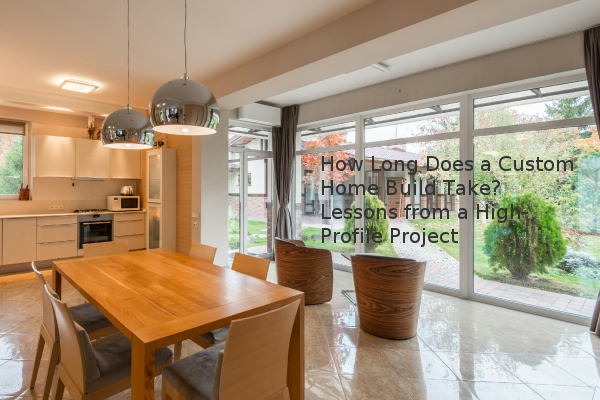
Building a custom luxury home is a significant undertaking that typically extends over several years. Based on our experience assessment, even with substantial resources, the process from breaking ground to final touches often spans 24 to 36 months, as illustrated by high-profile projects. This timeline includes architectural design, permitting, construction, and the crucial phase of interior finishing and aesthetic adjustments. Delays are common due to supply chain issues, custom feature complexity, and evolving homeowner preferences during the build.
What Factors Influence a Custom Home Construction Timeline? Several key variables directly impact the duration of a custom home build. The scale and uniqueness of the project are primary factors; a large, architecturally complex mansion with custom cabinetry, unique wood paneling, and specialty installations will naturally take longer than a standard build. The permitting process with local municipal authorities can also introduce delays, varying significantly by state and county. Furthermore, the availability of materials and specialized labor can affect the schedule. Based on our experience assessment, homeowners should also account for the time required for final inspections and certificate of occupancy issuance before moving in.
Why Do "Minor Adjustments" Take So Long at the End of a Build? The final stage of a custom home project often involves what builders call the "punch list"—a document listing minor items to be completed or corrected. This phase can be deceptively time-consuming. As seen in ongoing projects, tasks like installing custom built-in entertainment centers, finalizing wall treatments, and completing detailed electrical work for entertainment rooms are intricate. These aesthetic adjustments require a high level of craftsmanship and attention to detail, which cannot be rushed. Protective coverings on floors and careful handling of finishes are essential to avoid damage, further extending the timeline.
Should You Have a Secondary Housing Plan During a Lengthy Build? For individuals with career obligations in other locations, securing secondary housing is a practical consideration during a multi-year build. It is common, based on our experience assessment, for homeowners to rent a property in a different city to accommodate work schedules, such as a professional sports season. This provides flexibility and avoids the pressure of rushing the construction team. The decision to rent or buy a secondary home often depends on the expected duration of the assignment and long-term plans, emphasizing the need for a flexible housing strategy.
What Practical Advice Can You Extract from This Process? For anyone considering a custom build, managing expectations is the most critical takeaway. Understand that a timeline of two to three years is standard for high-end properties. It is advisable to plan for contingencies, both in budget and schedule. Securing interim housing relieves pressure on both the homeowners and the construction team, ensuring the final product meets quality standards without unnecessary haste. Finally, maintaining clear and consistent communication with your builder throughout the process is essential for navigating the inevitable challenges that arise.