Browse

Log in / Register
 Share
Share
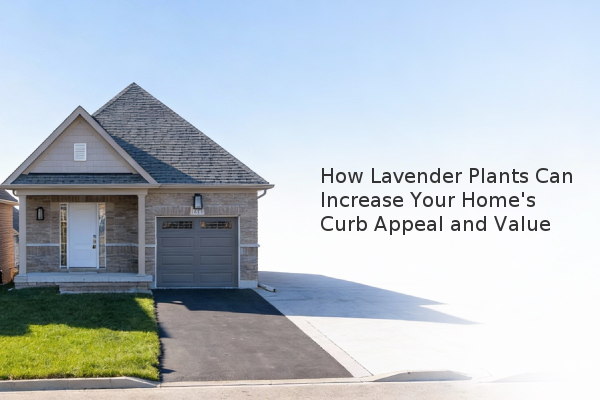
Planting lavender in your landscaping is a strategic, low-maintenance upgrade that can significantly enhance your property's curb appeal and may contribute to a higher resale value. This hardy perennial attracts pollinators, deters pests like mosquitoes and deer, and requires minimal upkeep once established, making it an intelligent investment for homeowners. Well-maintained landscaping, including purposeful plants like lavender, is a recognized factor in home valuation.
Why is lavender considered a valuable plant for homeowners? Beyond its visual appeal and calming fragrance, lavender offers functional benefits that improve the outdoor living experience. It acts as a natural attractant for beneficial pollinators such as bees and butterflies, which are crucial for a healthy garden ecosystem. Conversely, the plant's strong scent is a known deterrent for common pests. "Lavender can also repel deer, as they don’t like the scent or taste," notes Gene Caballero, co-founder of GreenPal. This dual function makes it a practical choice for enhancing your yard's usability and health.
Can landscaping with lavender actually impact a home's sale price? While no single plant guarantees a specific price increase, exceptional curb appeal is a powerful selling tool. A positive first impression can lead to more showings and competitive offers. Geremy Yamamoto, founder of a Los Angeles-based real estate development firm, recalls a property that had been on the market for over a year. After adding lavender bushes to the existing landscaping, "People would stop by just to take a look at the beautiful lavender bushes and often ended up touring the inside of the house as well," he says. The home subsequently received multiple offers and sold above the asking price. This illustrates how an inviting exterior can capture buyer interest and directly influence a sale.
What is the best way to incorporate lavender into your yard's design? For optimal growth, lavender requires a spot with full sun (at least six to eight hours daily) and well-draining soil. Landscape designer Melanie Rekola recommends planting it at the edge of garden borders where its low-growing, colorful blooms can be appreciated without obscuring other plants. For those with limited space, lavender thrives in outdoor containers or window boxes, effectively adding color and fragrance to any home exterior. Laura Osteen, a principal landscape contractor, advises planting lavender away from high-traffic walkways due to its attraction to bees and suggests flanking it with evergreen shrubs to provide visual interest during its dormant winter season.
How do you choose the right lavender variety and maintain it? With over 400 varieties, selection often depends on your local climate. English lavenders and their hybrids are cold-hardy, while Spanish and French varieties excel in hotter, humid regions like the South or Pacific Northwest. Maintenance is straightforward. Lavender needs annual pruning to prevent it from becoming woody, which reduces flowering. "The best thing to do is prune it lightly in spring as the new leaves emerge, then again after flowering," advises Rekola. "Never cut back to brown wood, or no leaves will grow in that area." Once established, the plant is drought-tolerant and requires minimal watering.
Based on our experience assessment, integrating lavender into your landscaping is a low-cost, high-impact project. It enhances the aesthetic and sensory appeal of your property, which can be a decisive factor for potential buyers. To maximize the benefits: