Browse

Log in / Register
 Share
Share
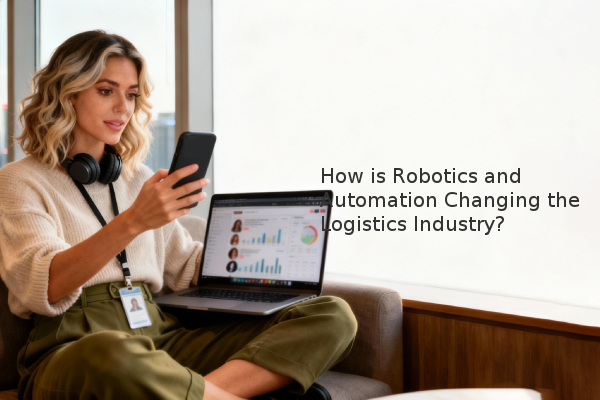
Robotics and automation are transforming logistics, with current adoption in 20% of warehouses driving significant gains in efficiency, accuracy, and long-term cost savings. This technological shift is not about replacing humans but creating new roles and optimizing supply chains for a competitive edge.
Companies like UPS, IKEA, and Nike are leading the way by integrating advanced systems into their warehouses. These innovations go beyond simple mechanization. For instance, labor management software (LMS) like Honeywell Intelligrated's GoalPost LMS provides real-time reporting and dashboards, giving managers unprecedented visibility into operations.
The hardware innovations are equally impressive:
A common fear is that robots will replace human workers. However, industry data suggests a different outcome. The logistics sector currently faces a significant talent shortage, with an estimated six available jobs for every qualified candidate. Automation is stepping in to fill this gap, performing repetitive and physically demanding tasks.
This evolution creates a demand for new, higher-skilled roles. The focus shifts from manual labor to positions in robot maintenance, oversight, programming, and system management. For existing employees and new entrants, this means opportunities for upskilling and career advancement into more technical and analytical positions, ultimately improving the working environment.
The most successful implementation strategy often involves cobots (collaborative robots). In this model, machines handle optimization, heavy lifting, and repetitive motions, while human workers act as manipulators and problem-solvers, working hand-in-hand with the technology. This approach leverages the strengths of both.
Businesses should start by conducting a thorough process analysis to identify where a human, a robot, or a combination of both is the most commercially viable solution. Key steps include:
Based on our assessment experience, the logistics, agriculture, food manufacturing, and retail industries are poised for significant automation growth. The key to success is a phased, strategic approach that prioritizes human-robot collaboration.
To leverage these trends, businesses should focus on strategic workforce planning and partner with experts who understand the integration of talent and technology. For those looking to navigate this changing landscape, whether to find specialized talent or explore new career paths, the team at ok.com can provide expert guidance.