Browse

Log in / Register
 Share
Share

Strategic updates and staging choices can significantly impact how potential buyers perceive a property's value. Based on our experience assessment, even minor aesthetic changes can influence a buyer's emotional connection and final offer. This article analyzes common home modifications through the lens of market value, providing actionable insights for sellers. For example, a comparative market analysis (CMA) often reveals that properties with updated, neutral décor sell faster and closer to their asking price than those with highly personalized interiors.
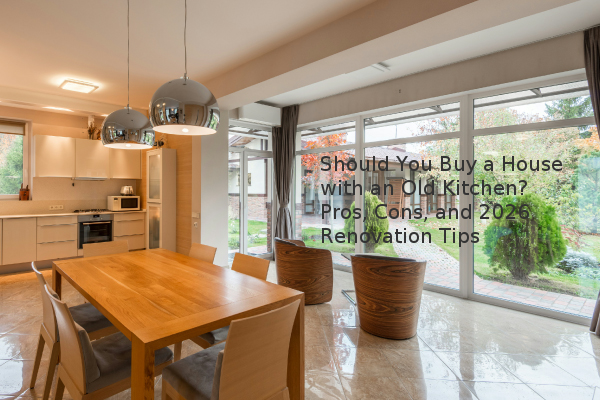
What Specific Updates Influence Buyer Perception? Buyers often equate certain updates with a well-maintained and modern home. Replacing heavy, dated window treatments with lighter, neutral options can make rooms appear larger and brighter, a key selling point. Similarly, refreshing flooring is a high-impact change. While personal taste varies, neutral colors and classic patterns generally appeal to the broadest audience. It's not about the cost of the change, but its perceived value. A fresh coat of paint in a modern, neutral color has a high return on investment (ROI), while highly specific or bold design choices may limit a property's appeal.
How Do Functional Upgrades Compare to Cosmetic Changes? While cosmetic updates affect first impressions, functional upgrades often carry more weight during a professional home inspection and in the final negotiation. A buyer might be charmed by new countertops, but they will also be evaluating the age and condition of major systems like the roof, HVAC (Heating, Ventilation, and Air Conditioning), and plumbing. The table below illustrates the typical perceived value of different upgrade types:
| Upgrade Type | Example | Typical Impact on Buyer Perception |
|---|---|---|
| Cosmetic | Fresh paint, new light fixtures, updated hardware | High immediate impact; improves "showability" |
| Minor Functional | New kitchen appliances, refinished floors | Moderate to high impact; reduces buyer's immediate to-do list |
| Major Functional | New roof, replaced HVAC system, new windows | Critical for appraisal and inspection; can prevent price negotiations |
Should Sellers Keep or Replace Existing Features? The decision to keep or replace existing features should be guided by a comparative market analysis. Unique or high-quality historical elements, like original hardwood floors or custom architectural details, can be significant value-adds and should be highlighted. For instance, retaining a classic, well-crafted desk or built-in shelving can signal quality and permanence. The key is distinguishing between dated features that detract from value and classic features that contribute to a home's character. Preserving timeless elements can enhance a property's unique selling proposition without requiring further investment.
How Important is Neutral Staging for the Sale Process? Neutral staging is crucial because it allows buyers to visualize themselves in the space. Personal items, specific political or stylistic themes, and eclectic collections can be distracting. The goal is to create a blank canvas. According to data from the National Association of Realtors® (NAR) from 2025, professionally staged homes spend less time on the market. Staging focuses on maximizing space and light, which are universally appealing. Removing clutter and organizing spaces like kitchens and closets demonstrates good upkeep and can justify a higher asking price.
In summary, a seller's approach to home updates requires a strategic balance. Focus on low-cost, high-impact cosmetic improvements like paint and decluttering to maximize initial appeal. Prioritize necessary functional upgrades that will be flagged in an inspection. Finally, leverage a comparative market analysis to make data-driven decisions about which existing features to preserve and promote. This methodical approach helps sellers optimize their property for a competitive market.