Browse

Log in / Register
 Share
Share
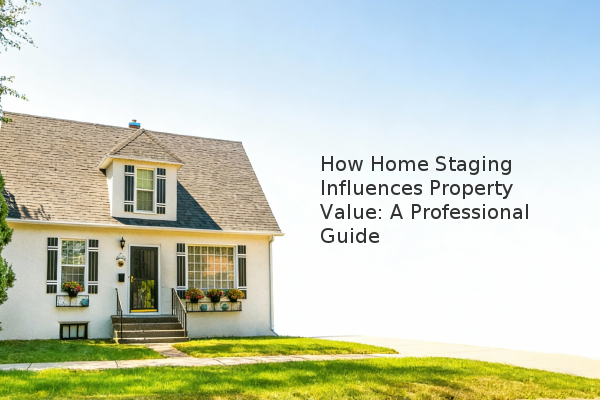
Professional home staging, the art of preparing a private residence for sale, can significantly influence a property's perceived value and marketability. Based on our experience assessment, a well-staged home often sells faster and for a higher final sale price by helping potential buyers visualize the space as their future home. Key strategies include decluttering, strategic furniture placement, and neutral décor, all of which enhance a property's appeal and maximize its investment potential.
What is the primary goal of professional staging? The core objective of staging is not merely decoration but a targeted marketing effort. It focuses on highlighting a property's strengths, minimizing its weaknesses, and creating a broad appeal for the largest possible pool of buyers. This process involves a detailed assessment of the space, often leading to recommendations for repairs, depersonalization, and furniture rental. The ultimate goal is to create an environment where buyers can emotionally connect with the property, which can lead to more competitive offers. The key is to sell the lifestyle and potential of the home, not just the physical structure.
How does staging impact the final sale price? While the return on investment (ROI) for staging varies by market, its impact on sale price is well-documented. Staging affects a buyer's perception of value. A clean, well-maintained, and inviting home suggests that the property has been cared for, which can justify a higher asking price. It shifts the focus from the cost of the house to the value of the new lifestyle. By creating a move-in-ready atmosphere, staging reduces the perceived need for immediate renovations, making the property a more attractive investment. Effective staging can often lead to a final sale price that is closer to, or even above, the initial list price.
What are the most effective staging techniques for different areas? Different areas of a home require specific staging approaches. The living room, often the first interior space buyers see, should feel spacious and functional. The master bedroom should be staged as a serene retreat, emphasizing comfort and relaxation. Kitchens and bathrooms, critical selling points, must be impeccably clean and free of clutter. Here is a breakdown of common focus areas:
| Area of Home | Key Staging Technique | Desired Outcome |
|---|---|---|
| Living Room | Arrange furniture to facilitate conversation and define traffic flow. | Creates an inviting atmosphere for entertaining. |
| Kitchen | Clear countertops entirely, except for one or two stylish items. | Highlights counter space and suggests a clean, modern kitchen. |
| Master Bedroom | Use neutral, high-quality linens and minimal, elegant decor. | Establishes a calm, hotel-like sanctuary. |
| Curb Appeal | Maintain landscaping, a fresh coat of paint on the front door, and clean walkways. | Creates a strong positive first impression before buyers enter. |
Can staging help a property sell faster? Yes, one of the most significant benefits of staging is reducing the time a property spends on the market. A staged home photographs exceptionally well, generating more interest from online listings and attracting more serious buyers to in-person showings. When a property appeals to a wider audience, it increases the likelihood of receiving an offer quickly. A faster sale reduces carrying costs for the seller, such as mortgage payments, property taxes, and utilities, which can add up significantly over time. A quicker sale process is often a direct result of a property that makes a memorable and positive impression.
To maximize your property's potential, consider a professional staging consultation before listing. Focus on decluttering and deep cleaning as a first step, and prioritize neutral colors and repairs to minor imperfections. These steps enhance the buyer's ability to see themselves living in the space, which is the ultimate goal of any successful real estate transaction.