Browse

Log in / Register
 Share

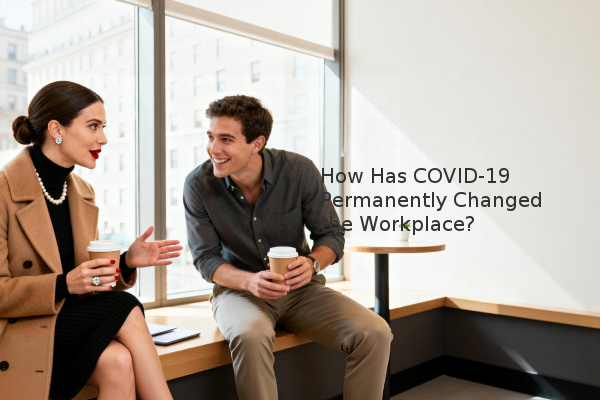
The COVID-19 pandemic permanently altered the workplace, accelerating the normalization of remote work and forcing a reevaluation of employee morale and safety. Survey data reveals that 73% of jobs can be done fully remotely, and nearly half of businesses continued hiring despite uncertainty, signaling a lasting shift toward flexible work models.
The most significant change has been the rapid, large-scale adoption of remote work. What was once a perk for a few became a necessity for many. According to a survey of professionals, 73% reported their job could be performed entirely from home. This shift forced companies to adapt their operations and management styles virtually overnight. For employers, this broad acceptance of remote work has expanded talent pools beyond geographical limits, allowing access to candidates who cannot work in a traditional office setting. For employees, it has often led to an improved work-life balance. However, this transition also highlighted challenges, with a notable portion of remote workers reporting issues with low morale, underscoring the need for intentional strategies to maintain engagement and company culture outside the office.
While remote work gained prominence, a large segment of the workforce, including essential workers, remained on-site. Their experience was markedly different and often more challenging. Survey data indicates that over a quarter (26%) of on-site workers reported low morale, a figure ten percentage points higher than their remote counterparts. A primary driver of this dissatisfaction was safety. Only about one-third of on-site respondents were satisfied with the safety measures implemented by their employers. Furthermore, with over half of these workers continuing their duties throughout the entire pandemic, prolonged anxiety about health risks likely took a significant toll. This data points to a critical need for employers to prioritize transparent communication and robust safety protocols to support their on-site teams.
The pandemic has served as a catalyst for enduring changes in workforce strategy. Based on our assessment experience, businesses must prepare for a future where hybrid work models are standard. The fact that nearly half of companies continued hiring during the pandemic, with more than half performing better than expected, demonstrates resilience but also a need for better forecasting. Only 13% of businesses had accurate projections, suggesting a need to reevaluate risk assessment and business continuity plans.
The key takeaways for navigating the post-pandemic landscape are:
Embracing these changes is not just about adaptation but about building a more resilient and human-centric workplace for the future.