Browse

Log in / Register
 Share
Share
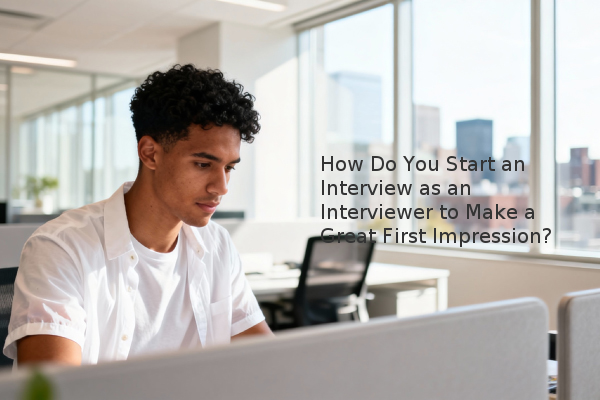
Starting an interview effectively sets a positive tone and increases the likelihood of securing top talent. A well-structured opening, based on established recruitment best practices, helps put candidates at ease, facilitates a more accurate assessment, and enhances your employer brand. This guide outlines a proven step-by-step approach for interviewers.
The first few minutes of an interview are crucial for establishing rapport and reducing candidate anxiety, which can significantly impact their performance. According to studies cited by the Society for Human Resource Management (SHRM), a positive candidate experience directly correlates with higher acceptance rates. A smooth, professional start signals that your company is organized and values people, making the candidate screening process more effective from the outset.
Preparation is the foundation of a successful interview. Schedule a suitable room well in advance, ensuring it can accommodate all participants and has the necessary facilities, such as a projector for presentations. Test all equipment beforehand to prevent technical delays. This step demonstrates professionalism and respect for the candidate's time, directly contributing to a seamless recruitment process optimization.
Nominate one person from the interview panel to greet the candidate warmly. A genuine smile, a firm handshake, and maintaining eye contact are essential. Use a friendly greeting like, "Hello, my name is [Name]. It's a pleasure to meet you." This initial interaction is your chance to build immediate rapport and make the candidate feel welcome, setting a collaborative tone for the structured interview that follows. A structured interview is a method where all candidates are asked the same set of predetermined questions to ensure fairness and objectivity.
After the greeting, introduce the candidate to the other panel members. A simple introduction, such as "This is Mark, our hiring manager, and Polly from HR," helps humanize the process. Next, clearly explain the interview format, even if details were in the invitation. Reiterate the structure (e.g., "We'll begin with some general questions, followed by a scenario-based discussion, and we'll reserve time at the end for your questions") and the expected duration. This transparency manages expectations and reduces uncertainty.
Before diving into questions, briefly recap the position. Go beyond the job description by highlighting key team dynamics, potential for professional development, or specific projects the candidate would contribute to. Mentioning details like remote work policies or salary bandwidth (the pre-determined range of pay for a position) reaffirms the role's value. This confirms mutual fit and allows the candidate to contextualize their answers.
Pause before the formal questioning begins to ask, "Do you have any questions about what we’ve covered so far?" This allows the candidate to clarify any immediate concerns, enabling them to focus fully during the assessment. Answer questions patiently, even if the information was previously mentioned. Based on our assessment experience, this step is vital for ensuring the candidate feels heard.
Begin the formal questioning with broad, open-ended questions to ease the candidate into the conversation. Examples include:
Set aside ample time for each interview to avoid rushing. Study the candidate's CV beforehand to ask insightful, follow-up questions. Most importantly, avoid robotic introductions; be conversational and provide unique insights about the team or company culture that aren't on the website. Your goal is to facilitate a two-way dialogue that accurately assesses fit.
To implement these strategies effectively, focus on creating a welcoming environment, communicating the structure clearly, and beginning with general questions to build candidate confidence. A strong opening not only improves the quality of the assessment but also directly boosts your talent retention rate by creating a positive first impression of your organization.