Browse

Log in / Register
 Share
Share
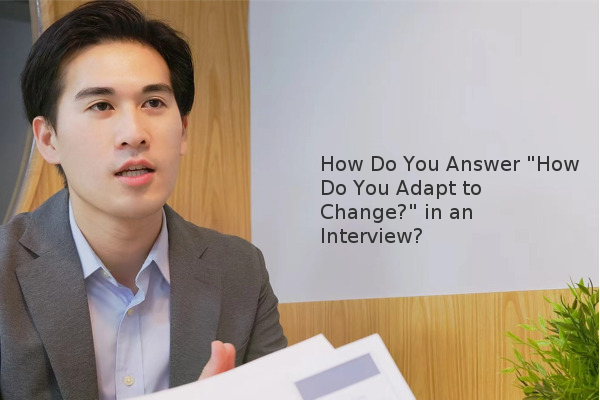
Effectively answering the "How do you adapt to change?" interview question requires demonstrating flexibility with concrete examples. A strong response uses the STAR method (Situation, Task, Action, Result) to structure a past experience, highlighting both soft skills and technical abilities gained through adaptation. This approach shows employers you are a resilient and valuable candidate who can thrive in evolving workplaces.
Hiring managers consistently include adaptability questions to assess a candidate's long-term potential. Based on our assessment experience, they seek to understand three key things:
The most effective way to answer behavioral questions like this is by using the STAR method. This technique ensures your answer is clear, concise, and impactful by breaking down your example into four parts:
Example: "Situation: At my previous company, we implemented a new customer relationship management (CRM) software with minimal notice. Task: My goal was to master this new system quickly without letting my client response times slip. Action: I proactively signed up for all available training modules, organized a peer-learning group with colleagues, and dedicated time each morning to practice. Result: Within two weeks, I was proficient, and my team adopted the tips I shared. This led to a smoother transition for our department and maintained our high standard of customer service."
Adapting to change often cultivates a valuable mix of skills. Explicitly mentioning these demonstrates a deeper level of self-awareness.
| Skill Type | Examples to Mention |
|---|---|
| Soft Skills | Improved communication, better time management, enhanced problem-solving, increased resilience, proactive collaboration. |
| Hard Skills | New software proficiency (e.g., Salesforce, Asana), data analysis capabilities, technical troubleshooting, project management methodologies. |
When you answer, connect these skills directly to the action you took. For instance, "This experience not only helped me adapt but also significantly improved my time management and problem-solving abilities."
A generic answer is good, but a tailored one is exceptional. Research the company and the role you're applying for. Is the industry known for rapid change? Is the company growing or restructuring?
Take your pre-prepared STAR example and connect it to the future role. You could say: "I understand that this marketing role requires keeping pace with evolving digital algorithms. My experience in quickly adapting to new analytics platforms would allow me to hit the ground running and contribute to your data-driven strategy from day one." This shows foresight and genuine interest.
To succeed, prepare 2-3 specific examples of change you've navigated, structure them with the STAR method, and practice connecting your adaptability to the needs of the job you want. This preparation will allow you to answer with confidence and demonstrate your value as a flexible and forward-thinking professional.