Browse

Log in / Register
 Share
Share
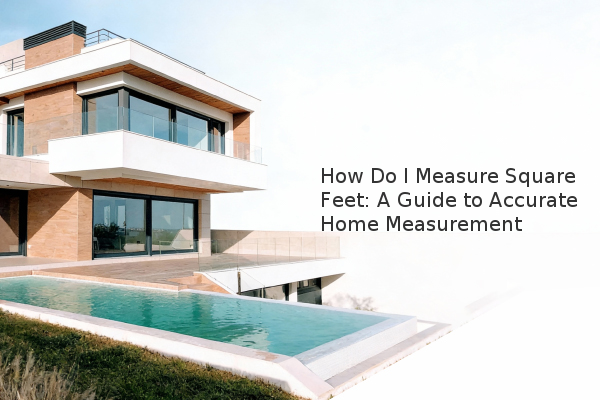
Accurately measuring the square footage of a home is a fundamental step in determining its value, listing it for sale, planning renovations, or assessing property taxes. The correct method involves calculating the gross living area (GLA), which is the total area of finished, heated, and cooled space, measured from the exterior walls. This guide provides a clear, step-by-step process to measure square feet correctly, helping you avoid common pitfalls that can lead to significant valuation errors.
Incorrect measurements can have serious financial consequences. Overestimating square footage might lead to overpricing a property, causing it to linger on the market. Underestimating could mean leaving money on the table. Lenders and appraisers rely on precise figures, and discrepancies between your measurements and official records can raise red flags during a transaction. Understanding how to measure square feet empowers you as a homeowner or buyer to verify information and make informed decisions.
To measure square feet, you only need a few tools: a tape measure (a 100-foot laser measure is highly efficient), graph paper, and a calculator. Square footage is calculated by multiplying the length by the width of a space. Follow these steps for each room:
| Room | Length (ft) | Width (ft) | Square Footage (sq ft) |
|---|---|---|---|
| Living Room | 20 | 15 | 300 |
| Kitchen | 12 | 10 | 120 |
| Master Bedroom | 14 | 12 | 168 |
| Bedroom 2 | 12 | 10 | 120 |
| Total GLA | 708 sq ft |
A critical part of measuring square feet is knowing what counts toward the total. You should generally include all finished, above-grade areas that are heated and cooled, such as living rooms, bedrooms, and kitchens. Spaces to exclude are garages, unfinished basements, attics (unless finished to code), and porches. If a basement is fully finished, it may be listed separately from the main GLA, as its value contribution can differ. Always check local conventions, as standards can vary by municipality.
Many DIY measurements go wrong by including unusable space. Do not measure from the exterior walls if you are trying to match an interior standard. Avoid counting closet space twice by ensuring your room divisions are clear. Another frequent error is including staircases on both floors; they should only be counted once, typically on the lower floor. Based on our experience assessment, the most significant mistake is confusing total area under the roof with the actual liveable gross living area, which can artificially inflate the number.
While you can calculate a reliable estimate, a professional appraiser’s measurement is the definitive standard. Appraisers use a specific standard, often the ANSI Z765 standard for measuring single-family homes, which provides strict guidelines on what constitutes livable area. They measure from the exterior and make adjustments for features like sloping ceilings. Your measurement is excellent for personal reference and initial pricing estimates, but for official transactions, the appraiser’s figure will be used by lenders and the MLS.
To ensure accuracy, always measure twice and document your calculations. Use your measurement as a guide for understanding your property's scale, but rely on a professional appraisal for any formal real estate transaction. Verifying square footage is a key step in making a sound real estate investment.