Browse

Log in / Register
 Share
Share

High-profile crimes typically have minimal long-term impact on broader real estate markets, according to industry assessments, though individual stigmatized properties may experience temporary price reductions of 10-15%. The resilience of local housing demand, inventory levels, and broader economic factors play more significant roles in determining property values than isolated criminal events. This analysis examines how communities recover from notoriety and what buyers and sellers should understand about market dynamics.
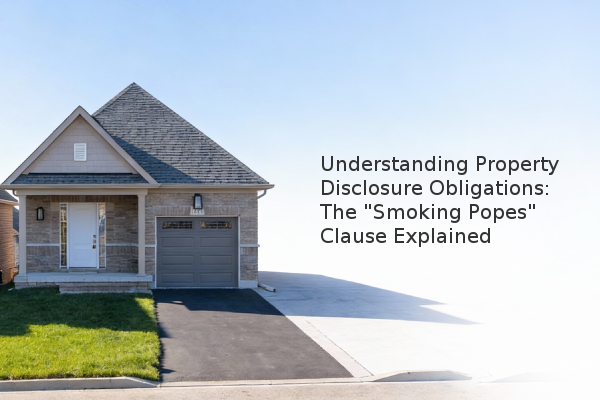
A stigmatized property refers to a home negatively impacted by events that don't cause physical damage but may reduce buyer interest. These include former crime scenes, perceived hauntings, or celebrity notoriety. Unlike material defects, stigmas are psychological barriers that can affect marketability. In most states, disclosure laws vary regarding what sellers must reveal about a property's history, creating complex ethical and legal considerations for real estate transactions.
Market conditions significantly influence how stigmas affect pricing. In balanced markets with adequate inventory, stigmatized properties typically sell at discounts. However, in high-demand, low-supply environments like many current suburban markets, buyer competition often overcomes psychological barriers. The duration of market impact depends on media attention, local community response, and the property's inherent desirable features.
Real estate markets demonstrate remarkable resilience following high-profile crimes. Neighborhood desirability factors—including school quality, commute times, and community amenities—typically outweigh transient notoriety. When criminal events occur outside the property itself and don't directly threaten community safety, market effects are usually minimal and short-lived.
Based on our experience assessment, markets with strong fundamentals recover quickly because buyers prioritize practical considerations over emotional responses. Stable employment patterns, population growth, and housing inventory levels provide more reliable value indicators than media coverage. Communities with established identities and limited alternative housing options particularly withstand temporary reputation challenges.
Several key factors influence pricing for stigmatized properties:
Current market dynamics particularly favor sellers of stigmatized properties in high-demand areas. With national housing inventory remaining constrained, many buyers demonstrate willingness to overlook historical issues when presented with desirable locations and property features.
Prospective buyers of stigmatized properties should conduct thorough due diligence beyond standard inspections. Research local disclosure laws to understand what information sellers must provide about a property's history. Consider consulting with real estate attorneys specializing in stigmatized properties to navigate potential legal complexities.
Evaluate your personal tolerance for the property's history and potential future resale considerations. While discounted purchase prices present opportunities, ensure the savings adequately compensate for possible extended marketing periods when selling. Focus on fundamental value indicators like location quality, structural condition, and neighborhood appreciation trends rather than emotional reactions to a property's history.
Sellers of stigmatized properties should obtain professional valuations from agents experienced with similar situations. Price strategically based on current market conditions rather than applying arbitrary discounts. In many cases, modest price adjustments coupled with targeted marketing to investors or buyers less sensitive to stigmas can yield optimal results.
Transparency levels should align with legal requirements while emphasizing the property's positive attributes. Highlight recent renovations, desirable features, and neighborhood benefits that provide counter-narratives to the stigma. Working with experienced professionals who can knowledgeably address buyer concerns often proves more effective than significant price reductions.
The real estate market's inherent resilience means that even significantly stigmatized properties typically find buyers eventually. The combination of appropriate pricing, strategic marketing, and patience generally yields satisfactory outcomes for sellers, particularly in strong market conditions.