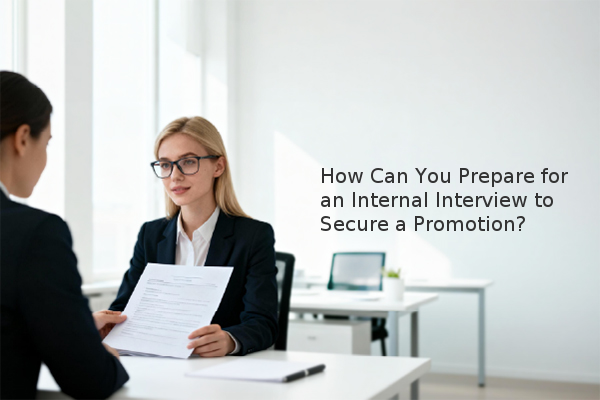
Securing an internal promotion often hinges on effectively preparing for an internal interview, a process that requires a distinct strategy despite your familiarity with the company. Based on our assessment experience, internal candidates who meticulously prepare by outlining their achievements, leveraging insider knowledge, and maintaining a professional demeanor significantly increase their chances of success. This article provides a actionable guide on how to navigate this unique interview scenario.
What is the Key to Maintaining Professionalism in an Internal Interview?
The fundamental rule for an internal interview is to treat it with the same formality as an external one. Even if you have a friendly relationship with the interviewer, maintaining a professional demeanor demonstrates respect for the process. Key actions include:
- Dressing Appropriately: Opt for business formal attire, even if your workplace is business casual, to make a strong visual impression.
- Coming Prepared: Bring a portfolio containing notes, evidence of your accomplishments, and any internal references or letters of recommendation.
- Following Up: Send a thank-you email after the interview to reiterate your interest and keep your candidacy top of mind.
This approach signals that you take the opportunity seriously and understand corporate protocol.
How Should You Showcase Your Value and Company Knowledge?
Your insider status is your greatest asset. Use it to articulate your value proposition clearly and align your goals with the company's future.
- Outline Your Performance: The interviewer may not be fully aware of your contributions. Prepare a concise summary of your notable achievements, key projects, and any milestones reached. When discussing challenges, employ the STAR method (Situation, Task, Action, Result), a structured technique for answering behavioral interview questions, to demonstrate problem-solving skills.
- Leverage Insider Knowledge: Speak with colleagues, especially the previous role holder, to understand the position's specific demands. Use this intelligence to tailor your answers, highlighting relevant skills and proposing ideas that align with the company's current objectives.
- Review Company Ethos: Revisit the company’s mission and values to ensure your vision is aligned. Discussing your positive experiences, such as cross-departmental collaboration, shows genuine engagement.
What Specific Steps Can You Take to Manage the Process?
Proactive relationship management can smooth your transition and strengthen your application.
- Communicate with Your Supervisor: Depending on your relationship, inform your current manager of your application. This transparent approach can prevent surprises and might even lead to a supportive recommendation.
- Prepare for Critical Feedback: Be ready to discuss areas for improvement. Acknowledging past mistakes and explaining how you've grown from them showcases maturity and a commitment to professional development.
- Anticipate Standard and Targeted Questions: While the interview may feel informal, expect standard questions about your strengths and weaknesses, as well as more targeted inquiries like, "Why are you looking to change departments?" or "What is your plan if you're unsuccessful?" Prepare thoughtful, positive answers that focus on career growth rather than dissatisfaction.
In conclusion, a successful internal interview preparation strategy involves:
- Maintaining strict professionalism throughout the process.
- Articulating a clear record of your achievements using data and the STAR method.
- Leveraging your unique internal perspective to propose value-added ideas.
- Managing internal relationships transparently and proactively.


 Share
Share