Browse

Log in / Register
 Share
Share
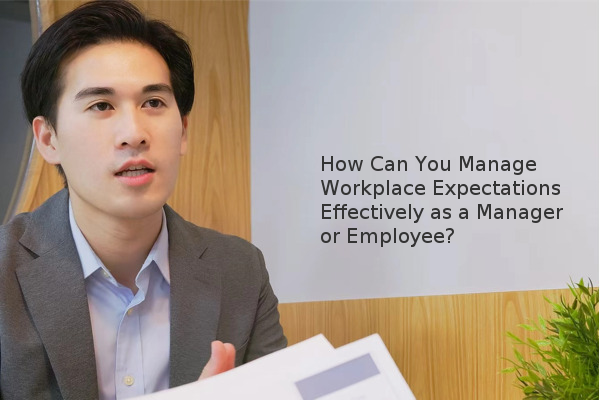
Effective expectation management in the workplace leads to a 21% increase in team productivity and a healthier work environment by establishing mutual respect and clear boundaries between managers and employees. This practice is crucial for preventing burnout, boosting job satisfaction, and ensuring consistent work output.
Expectation management is a structured communication process used to align the standards, responsibilities, and anticipated outcomes between all parties in a professional setting, such as managers, employees, and vendors. When expectations are left unchecked, overwhelming workloads can lead to demotivation and dissatisfaction. The core of this practice is to proactively set and adjust these understandings to foster a transparent and respectful atmosphere. According to a Gallup study, teams with clearly defined expectations experience a significant reduction in role ambiguity, which is a primary driver of employee stress.
Managers play a pivotal role in shaping the employee experience. Setting clear expectations is not about micromanagement but about providing a framework for success. Based on our assessment experience, here are three effective strategies:
1. Offer Increased Flexibility and Autonomy? Promoting autonomy—the degree of freedom and discretion an employee has in their role—is a powerful way to manage expectations. While some managers fear a loss of control, data often shows a direct correlation between autonomy and higher talent retention rates. When employees are trusted to manage their own tasks, they often demonstrate greater creativity and ownership, which directly addresses feelings of stagnation and supports career advancement.
2. Provide Regular, Constructive Feedback? Employees value understanding their performance relative to set expectations. Feedback should be timely, specific, and aligned with organizational goals to avoid perceptions of favoritism. This can be delivered through:
3. Connect Individual Roles to Organizational Culture? Educating employees on the company's mission and ethos helps them see how their contributions fit into the bigger picture. When an employee understands that completing a task brings the organization closer to its objectives, their sense of responsibility and purpose is heightened. This connection naturally aligns their personal expectations with the company's strategic goals.
| Strategy | Key Benefit | Impact on Expectations |
|---|---|---|
| Providing Autonomy | Increases job satisfaction & creativity | Sets expectation of trust and self-management |
| Regular Feedback | Clarifies performance & growth paths | Sets expectation of continuous development |
| Cultural Connection | Enhances purpose and role understanding | Aligns individual and organizational goals |
For employees, initiating conversations about expectations can be daunting but is essential for a sustainable workload. Approaching the discussion with respect and a solutions-oriented mindset is key.
1. Create a Detailed Progress Report? A well-documented progress report objectively showcases your current workload and achievements. This tool fills knowledge gaps for managers and illustrates the reality of your capacity, helping them reconsider before assigning additional tasks. It’s a non-confrontational way to provide transparency.
2. Propose Solutions, Not Just Problems? When a problem arises that may disrupt expected outcomes, communicate it promptly. However, to effectively manage your manager's expectations, pair the problem with a potential solution. For example, suggest reprioritizing tasks or adjusting a deadline. This demonstrates proactive problem-solving skills and builds trust in your ability to manage your workload.
3. Collaborate on Setting Shared Expectations? If daily tasks feel unmanageable, estimate the time required for each and discuss this with your manager. This can lead to a collaborative conversation where you both agree on a reasonable daily output. Managers can often share tips for efficiency, leading to a shared understanding of what is achievable without compromising quality.
The advantages of effective expectation management are measurable and impact both individual well-being and organizational health.
In practice, successfully managing expectations builds stronger manager-employee relationships founded on trust and mutual respect. The key takeaways are to communicate proactively, focus on solutions, and always connect daily tasks to broader goals. This approach not only prevents burnout but also drives consistent, high-quality work output.