Browse

Log in / Register
 Share
Share
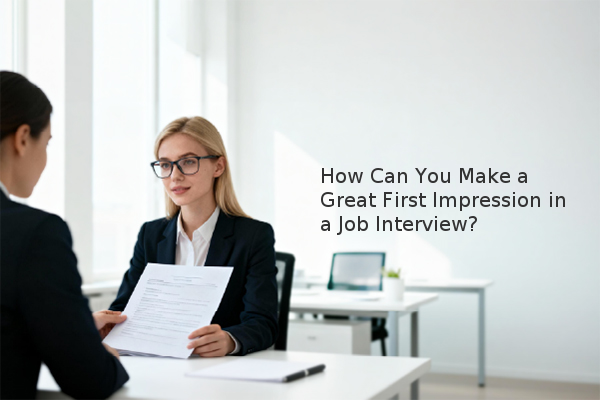
Making a great first impression in a job interview is the deciding factor that can set you apart from equally qualified candidates. Success hinges on a combination of punctuality, professional presentation, confident communication, and positive body language. This guide breaks down the actionable steps you need to project confidence and professionalism from the moment you arrive.
Thorough preparation is the foundation of interview confidence. Punctuality is a non-negotiable indicator of your professionalism and interest in the role. Beyond confirming the time and address, research travel routes, parking options, and even the building's layout to avoid last-minute stress. Plan to arrive 10-15 minutes early; this allows a moment to compose yourself. Bring copies of your resume, a list of references, and a portfolio if relevant. Also, have the contact number of your interviewer handy in case of an unforeseen delay. This level of preparation demonstrates organizational skills and respect for the interviewer's time.
Your appearance and body language are constantly being assessed. Dress for the role you want, opting for neat, professional, and relatively conservative attire. Details matter—ensure clean shoes, unwrinkled clothing, and minimal jewelry. Your non-verbal cues are equally critical. Practice a firm handshake, maintain good eye contact, and offer a genuine smile upon greeting. During the conversation, be mindful of your posture—sit upright, avoid crossing your arms defensively, and use natural hand gestures to convey engagement. These signals collectively project confidence and warmth, reinforcing your verbal responses.
What you say and how you say it are often as important as your qualifications. Structured interview techniques are commonly used by employers, which means questions are designed to elicit specific examples of past behavior. Prepare for this by formulating STAR (Situation, Task, Action, Result) responses to common questions. Speak with clarity and confidence, avoiding filler words. Crucially, convey genuine enthusiasm for the role and the company. This demonstrates not just capability, but also motivation and cultural fit, which are key factors in talent assessment.
The end of the interview is your final opportunity to reinforce your candidacy. Close with a confident handshake, a smile, and a sincere thank you. Within 24 hours, send a concise, personalized thank-you email to each interviewer. This note should express appreciation for their time, briefly reiterate your specific interest in the role, and perhaps reference a key point from your discussion. This follow-up is a standard employer branding and courtesy practice that keeps you top-of-mind and highlights your strong interpersonal skills.
To maximize your chances, focus on meticulous preparation, professional presentation, confident communication, and a thoughtful follow-up. These elements work together to create a compelling and memorable impression that significantly increases your likelihood of receiving a job offer.