Browse

Log in / Register
 Share
Share
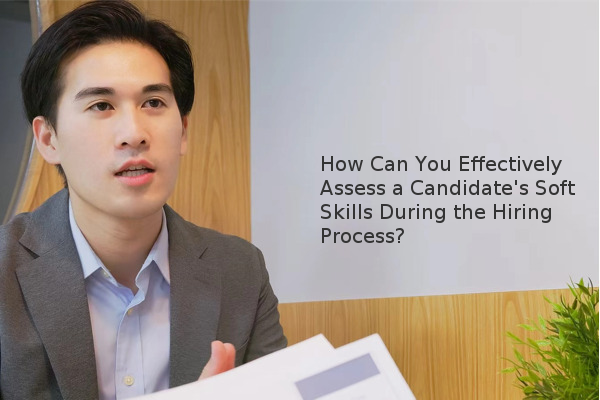
Effectively assessing a candidate's soft skills requires a deliberate strategy combining behavioral interview questions, situational judgment tests, and careful reference checks. Unlike technical abilities, soft skills like communication and teamwork are intrinsic but can be accurately evaluated to predict on-the-job success and improve employee retention.
Before the assessment, recruiters must identify which soft skills are crucial for the role and company culture. Common high-impact skills include:
A useful method is to rank these skills by priority for the specific position. For example, a customer service role would prioritize communication and adaptability, while a project management role might emphasize initiative and collaboration.
| High-Priority Skill | Role Example | Key Assessment Method |
|---|---|---|
| Communication | Customer Service Representative | Written application review, role-playing scenarios |
| Initiative | Project Manager | Behavioral questions about past experiences |
| Collaboration | Marketing Team Member | Group exercises or situational questions |
Behavioral interview questions are arguably the most effective tool for evaluating soft skills. Based on the premise that past behavior is the best predictor of future performance, these questions require candidates to describe specific situations from their work history. This method provides concrete evidence of how a candidate has applied their soft skills in real-world scenarios.
Instead of asking, "Are you a good team player?" a behavioral question would be: "Tell me about a time you had difficulty getting colleagues to agree on a critical project. What steps did you take and what was the outcome?" This forces the candidate to demonstrate their collaboration, communication, and problem-solving abilities through a story.
Other powerful behavioral questions include:
The interview is just one part of a holistic evaluation. To build a complete picture, integrate data from other sources.
Structured Reference Checks: Go beyond confirming employment dates. Prepare specific questions for references that probe the candidate's soft skills. For example, ask, "Can you give me an example of how the candidate handled a disagreement within their team?" or "How did they contribute to a collaborative environment?" This provides an external perspective on the candidate's reputation and interpersonal skills. Checking LinkedIn recommendations can also offer valuable, unsolicited insights.
Situational Judgment Tests (SJTs): These pre-employment assessments present candidates with hypothetical, job-related scenarios and multiple-choice responses. SJTs are highly effective for measuring judgment, problem-solving, and ethical reasoning. Based on our assessment experience, they offer an objective data point that complements the subjective insights gained from interviews.
To consistently identify candidates with strong soft skills, implement these actionable strategies:
A thorough evaluation of soft skills leads to better cultural fits, stronger teams, and ultimately, more successful long-term hires.