Browse

Log in / Register
 Share
Share
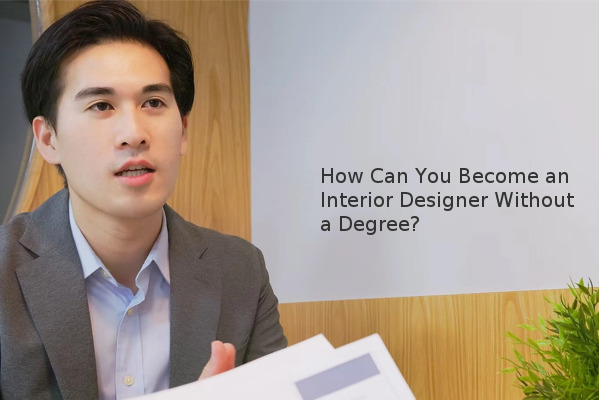
Yes, you can launch a successful career in interior design without a formal degree. The path requires a strategic focus on skill development, practical experience, and a strong professional portfolio. While a degree provides a structured foundation, the industry highly values demonstrable talent and a proven ability to deliver on client visions.
Interior design is a multifaceted profession that blends creativity with technical and business acumen. Success hinges on a specific skill set. Technical proficiency is paramount, especially with industry-standard software like AutoCAD, SketchUp, and Revit for creating both 2D plans and 3D visualizations. Alongside this, a solid grasp of design principles—such as color theory, spatial planning, balance, and lighting—is non-negotiable.
Equally important are the soft skills that ensure client satisfaction and project success. These include:
You can build a competitive skill profile through various channels, making a degree an option, not a prerequisite. A highly effective route is an apprenticeship or internship. These positions provide hands-on experience, often with a salary, and allow you to learn directly from seasoned professionals. They are designed for career-changers and are a powerful way to gain legitimate industry credentials.
For self-directed learning, a wealth of resources exists:
In interior design, your portfolio is your primary credential. It moves the conversation from what you say you can do to what you can show you have done. A strong portfolio is a curated collection of your best work that tells a story about your style, skills, and problem-solving abilities.
Even without client projects, you can build an impressive portfolio. Include:
With a developed skill set and a polished portfolio, you are ready to apply for positions. Tailoring your application is critical. Carefully analyze each job description to identify the keywords and required skills. Mirror this language in your resume and cover letter. For example, if a job emphasizes "sustainable design," highlight any relevant experience or knowledge you have in that area.
Your cover letter is a strategic tool. Use it to articulate your passion for design and explain your unique, non-traditional path into the industry. Frame your lack of a degree as an advantage—highlighting your proactive approach, diverse experience, and strong practical focus. Always research the design firm to understand their aesthetic and clientele, and explain why your specific style and approach are a good fit.
Ultimately, a successful career in interior design is built on talent, determination, and a strategic approach to professional development. By focusing on building a robust portfolio, gaining practical experience, and continuously honing your skills, you can confidently compete in this creative field.