Browse

Log in / Register
 Share

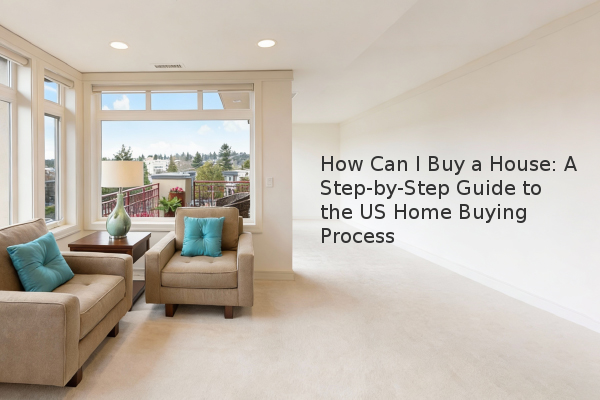
Buying a house is a significant financial decision that involves a multi-stage process, from assessing your financial readiness to closing the deal. The core steps include reviewing your credit, securing mortgage pre-approval, working with a real estate agent, making an offer, conducting inspections, and finally, closing on the property. Understanding each phase of the home buying process is critical to a successful and secure transaction.
Before you start looking at listings, a thorough financial self-assessment is the essential first step. This involves examining your credit score, calculating your debt-to-income ratio (DTI), and determining a realistic budget for your monthly housing costs. Your credit score is a numerical representation of your creditworthiness, which lenders use to determine your loan eligibility and interest rate. A higher score typically secures a better rate. Your DTI compares your monthly debt payments to your gross monthly income; most lenders prefer a DTI of 43% or lower. This initial assessment helps you understand how much home you can afford, preventing you from overextending financially. It’s also the time to start saving for a down payment and closing costs.
Based on our experience assessment, a down payment of 20% is ideal to avoid private mortgage insurance (PMI), but many loan programs, like those offered by the FHA, allow for much lower down payments. Closing costs, which cover loan origination fees, title insurance, and appraisal fees, typically range from 2% to 5% of the home's purchase price. Creating a dedicated savings plan for these upfront costs is a fundamental part of the preparation phase.
| Loan Type | Minimum Down Payment | Key Eligibility Factors |
|---|---|---|
| Conventional Loan | 3% - 20% | Strong credit score (typically 620+) |
| FHA Loan | 3.5% | Lower credit scores accepted (often 580+) |
| VA Loan | 0% | Available to veterans, service members, and eligible spouses |
| USDA Loan | 0% | For properties in designated rural areas; income limits apply |
Once you have a clear financial picture, the next step is to shop for a mortgage and obtain a pre-approval letter. Mortgage pre-approval is a lender's conditional commitment to loan you a specific amount of money based on a review of your finances. This is different from pre-qualification, which is a less rigorous estimate. A pre-approval letter signals to sellers that you are a serious and qualified buyer, strengthening your position in a competitive market. You should compare loan offers from multiple lenders, including banks, credit unions, and online lenders, to find the best interest rates and terms.
During this process, you'll choose between a fixed-rate mortgage, where the interest rate remains constant for the life of the loan, and an adjustable-rate mortgage (ARM), where the rate can change after an initial fixed period. Your choice will depend on your financial goals and how long you plan to own the home. The pre-approval letter will specify the loan amount you qualify for, which helps you narrow your home search to properties within your budget.
With pre-approval in hand, you can begin the home search in earnest, often with the assistance of a real estate agent. An agent provides expertise on local market conditions, helps you find properties that meet your criteria, and guides you through negotiations. When you find a house you want to buy, your agent will help you prepare a purchase offer. This legally binding document outlines the price you are willing to pay, along with contingencies that protect you as the buyer.
Key contingencies include:
Once the seller accepts your offer, you enter the underwriting and due diligence period before closing.
The final phase involves fulfilling the contract contingencies and preparing for the closing meeting, also known as settlement. You will schedule the home inspection and review the report carefully. Your lender will order an appraisal to confirm the property's value. It is also highly recommended that you purchase title insurance, which protects you and the lender from future claims or disputes over the ownership history of the property. Meanwhile, the mortgage underwriter will verify all your financial information before granting final loan approval.
At the closing, you will sign a stack of legal documents, including the mortgage note and the deed of trust. You will also pay your closing costs and down payment. After all documents are signed and funds are transferred, you receive the keys to your new home. The entire process, from initial search to closing, typically takes 30 to 60 days.
To successfully navigate the home buying process, focus on these key points: get your finances in order early, obtain a strong pre-approval, work with a knowledgeable real estate professional, and always include essential contingencies in your offer to protect your investment.