Browse

Log in / Register
 Share
Share
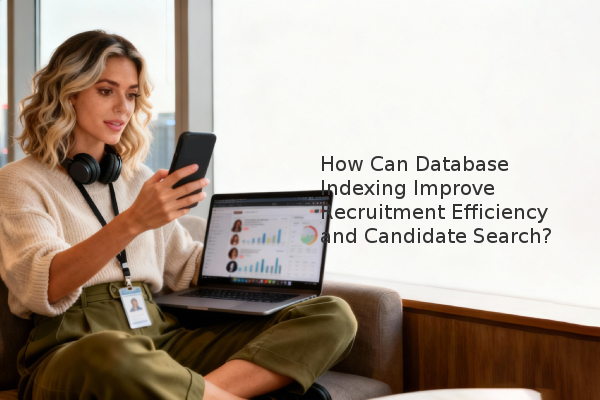
Database indexing significantly accelerates recruitment processes by enabling faster candidate searches and data retrieval within applicant tracking systems (ATS). For recruitment professionals, implementing proper indexing can reduce search times by up to 90%, directly impacting time-to-hire metrics and overall departmental productivity.
Database indexing is a systematic method of organizing data within databases to enable rapid information retrieval. In recruitment contexts, this translates to faster candidate searches across thousands of profiles. When a recruiter searches for specific skills or qualifications, proper indexing allows the ATS to bypass linear scanning of entire databases, instead jumping directly to relevant candidate matches. This is particularly crucial when handling high-volume recruitment where efficiency directly impacts quality of hire.
Search engine indexing operates similarly but focuses on web content organization. When Google's web crawlers index your job postings, they analyze and store critical elements including keywords, meta descriptions, and content structure. Properly indexed job postings appear more frequently in search results, increasing applicant traffic by up to 300% according to industry studies. The key steps involve:
Predicate-Based Indexing creates conditional expressions that evaluate candidate qualifications against job requirements. For example, creating indexes that quickly filter candidates by "Python programming experience + 5 years' tenure" eliminates manual screening time.
Heavy-Usage Query Optimization focuses on indexing the most frequently searched criteria. Recruitment data shows that skills, location, and experience level account for 80% of all candidate searches. Prioritizing these elements in your indexing strategy delivers maximum performance gains.
Unique Identifier Implementation ensures each candidate profile maintains distinct identification, preventing duplicate records that complicate the hiring process. This is typically achieved through primary keys and constraint rules that maintain database integrity.
Avoiding Sort-Intensive Operations by pre-indexing columns commonly used in sorting and grouping operations. This eliminates the performance bottleneck of manually sorting candidate lists by experience level or application date.
While indexing dramatically improves search speed, it requires strategic implementation to avoid negatively impacting system performance during data updates. Recruitment teams should:
Proper indexing implementation transforms recruitment from reactive searching to proactive talent discovery, enabling recruiters to focus on candidate engagement rather than administrative tasks. The most successful recruitment organizations treat their database infrastructure as a strategic asset rather than merely an operational tool.