Browse

Log in / Register
 Share

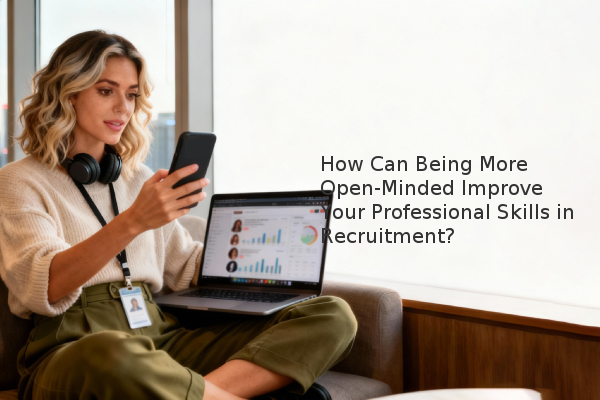
Being more open-minded directly enhances critical professional skills for recruiters and HR professionals, including improved problem-solving, stronger candidate assessment, and more effective talent retention strategies. This cognitive flexibility is not just a soft skill; it's a strategic advantage in the fast-evolving talent market. By actively challenging your own biases and embracing diverse perspectives, you can make more informed, objective hiring decisions that drive organizational success.
In recruitment, open-mindedness is the conscious practice of being receptive to new ideas, diverse candidate backgrounds, and alternative problem-solving approaches, even when they challenge existing protocols or personal beliefs. It involves suspending immediate judgment to conduct a more thorough evaluation. For HR professionals, this means moving beyond a rigid checklist of qualifications to consider a candidate's potential, cultural add (rather than just fit), and transferable skills. This approach is fundamental to reducing unconscious bias in the hiring process, leading to a more diverse and innovative workforce.
The benefits of cultivating open-mindedness translate directly into measurable recruiting outcomes. Based on industry assessments, teams that prioritize cognitive flexibility report higher quality hires and improved employer branding.
Becoming more open-minded requires intentional practice. Here are actionable steps tailored for recruitment and HR professionals.
The first step is acknowledging your biases. Everyone has them; the professional differentiator is how you manage them. Before screening resumes or conducting interviews, take a moment to reflect on what preconceived notions you might hold about an "ideal candidate" for the role. Are you favoring certain universities or previous company names? During interviews, use a structured interview process with standardized questions for all candidates to ensure a fair and objective comparison. This doesn't eliminate bias but creates a system to counter its influence.
Don't operate in a silo. Actively seek input from colleagues in different departments during the hiring process. A panel interview involving future team members can provide varied perspectives on a candidate's suitability that you might miss on your own. Furthermore, immerse yourself in industry content that challenges your standard practices. Read case studies from companies in different sectors or attend webinars on innovative hiring trends. This exposure broadens your understanding of what is possible in talent acquisition.
If you always source candidates from the same platforms, you'll likely find the same types of profiles. Change your sourcing strategy to include new communities, professional groups, or alternative talent pools like career returner programs. Similarly, if your interview questions have remained unchanged for months, it's time for a refresh. Incorporate questions designed to assess problem-solving and adaptability rather than just past experience. This small change in routine forces you to evaluate candidates on new criteria, fostering a more open-minded assessment.
To integrate open-mindedness into your recruitment workflow, start by auditing your current processes for bias, deliberately seek contradictory viewpoints in hiring decisions, and consistently volunteer for projects outside your immediate scope. This practice will systematically enhance your objectivity and effectiveness as an HR professional.