Browse

Log in / Register
 Share
Share
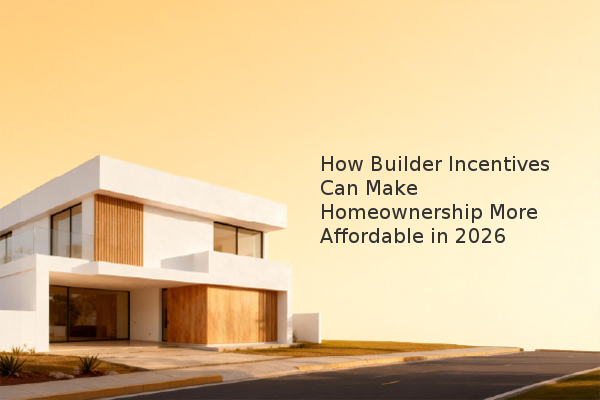
For many aspiring homeowners, builder incentives represent a powerful, yet often overlooked, strategy to bridge the affordability gap. Based on our experience assessment, these incentives, when strategically leveraged, can significantly reduce upfront costs and make purchasing a new construction home a viable option. This approach was successfully demonstrated by a couple in Dallas, Texas, who utilized $50,000 in builder concessions to purchase a home within their $400,000 budget, even before securing formal mortgage pre-approval. Their story underscores that understanding and negotiating builder incentives can be as critical as the sale price itself.
Builder incentives are concessions offered by home construction companies to attract buyers and facilitate sales. These are not simply discounts on the price; they are strategic tools used by builders to move inventory. Common incentives include closing cost contributions, free or upgraded appliances, and interest rate buydowns. An interest rate buydown, for instance, is a financial incentive where the builder pays an upfront sum to the lender to reduce the buyer's mortgage interest rate for the initial years of the loan. This directly lowers the monthly payment, making the home more affordable in the short term. The key is that these incentives effectively increase your purchasing power without requiring a higher loan amount or a larger down payment.
Identifying these opportunities requires proactive research and direct communication. The most effective first step is to work directly with a real estate agent experienced in new construction. These agents understand the market dynamics and know which builders are actively offering promotions. They can help you compare the real value of different incentives; for example, a $10,000 credit for closing costs provides immediate cash savings, while a 2-1 buydown on your mortgage rate offers long-term payment relief. It's crucial to get all incentive details in writing within the purchase contract to ensure they are legally binding. Builders may be more flexible with incentives at the end of a quarter or in communities with higher inventory, so timing your search can be advantageous.
A common misconception is that buyers don't need their own agent when purchasing from a builder. This is a significant pitfall. The sales agent at the builder's model home represents the builder's interests. Hiring your own buyer's agent is essential for effective negotiation. Their commission is typically paid by the builder, so it costs you nothing, but their expertise is invaluable. A skilled agent will help you understand the fine print, ensure the incentives are structured to provide you the maximum benefit, and advocate for your needs during the entire process, from reviewing the contract to overseeing the final walk-through. Their guidance can help you avoid costly mistakes and secure a deal that aligns with your financial goals.
While the Texas couple found their home before getting pre-approved, this sequence is not typical. Obtaining a mortgage pre-approval from a lender is generally a recommended first step. A pre-approval letter shows sellers and builders that you are a serious, qualified buyer. It clearly defines your budget, which strengthens your negotiating position. When you present a pre-approval, a builder may be more inclined to offer competitive incentives because they have confidence the sale will successfully close. Furthermore, your lender will need to approve the structure of any incentives, as certain types may have implications for the loan's underwriting and the home's appraised value.
To successfully utilize builder incentives in 2026, start by partnering with an experienced real estate agent who specializes in new construction. Secure a mortgage pre-approval to understand your true budget and strengthen your negotiating power. Carefully evaluate the long-term value of different incentives, prioritizing those that offer genuine savings over flashy upgrades. Finally, ensure every promised incentive is detailed explicitly in your purchase contract. By taking these strategic steps, you can transform builder concessions into a key that unlocks the door to your new home.