Browse

Log in / Register
 Share

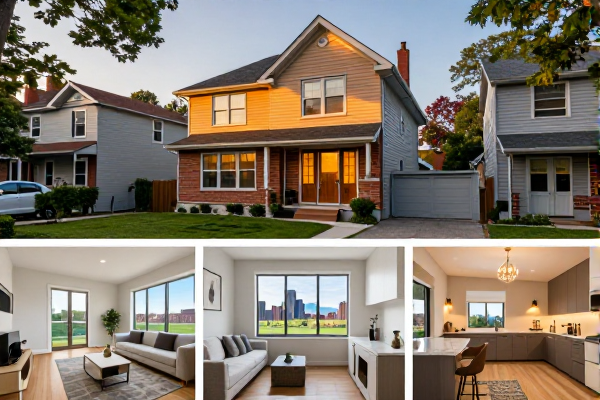
Analyzing Buffalo, NY postal codes is a critical first step for understanding property values, neighborhood dynamics, and investment potential in the 2026 real estate market. Data reveals that the median home price can vary by over $200,000 depending on the specific zip code, making geographic location the single most influential factor for buyers and sellers. This guide provides an objective breakdown of key Buffalo areas, using the latest market data to help you make an informed decision.
A postal code, commonly known as a ZIP code in the United States, is a numerical code used by the postal service to identify a specific geographic region. In real estate, a postal code acts as a primary indicator of a property's market segment. It directly influences value through factors like school district quality, proximity to employment centers like the Buffalo Niagara Medical Campus, crime statistics, and access to amenities such as Delaware Park or the Buffalo River. For a seller, pricing a home accurately requires a comparative market analysis (CMA), a report that evaluates recently sold properties in the same or similar postal codes to determine a competitive listing price. For buyers, the postal code defines the search parameters for their budget and lifestyle needs.
Based on aggregated 2026 market data, here is a comparative look at several prominent Buffalo-area postal codes. This table illustrates the significant value differences across the city and its immediate suburbs.
| Postal Code (ZIP) | Primary Area(s) | 2026 Median Home Price | Market Vibe & Key Influencers |
|---|---|---|---|
| 14221 | North Buffalo, Parkside | ~$350,000 | High demand for historic homes; strong walkability to Hertel Avenue's shops and restaurants. |
| 14222 | Elmwood Village, Allentown | ~$400,000+ | Premium prices for architectural charm and proximity to downtown Buffalo's cultural scene. |
| 14209 | South Buffalo | ~$250,000 | More affordable entry point; revitalization projects along the Buffalo River impacting value. |
| 14226 | Amherst (Suburb) | ~$450,000 | Top-rated school districts and low property tax rates compared to the city drive premium values. |
| 14224 | West Seneca (Suburb) | ~$320,000 | Family-friendly neighborhoods with a mix of single-family homes and easy highway access. |
While price is a paramount concern, your chosen postal code also dictates long-term costs and lifestyle. Property tax rates, which are a primary source of funding for local schools and services, can differ significantly between the City of Buffalo and surrounding towns like Amherst or Hamburg. Furthermore, neighborhoods within the same postal code can have varying homeowners association (HOA) fees, especially in condominium complexes. A crucial step for any buyer is to secure a title insurance policy, which protects against ownership claims from past liens or errors in public records. The cost and process for this are standardized across New York State, but its necessity is universal.

For sellers, the key is to work with a real estate professional who can perform a hyper-local CMA. Focus on recent sales (closed within the last 3-6 months) in your exact postal code, not just the broader city, to avoid over or under-pricing your asset. For buyers, expand your search to include adjacent postal codes that may offer better value. A home in 14213 might be more affordable than 14222 but still offer convenient access to downtown. Always factor in the total monthly cost, including mortgage principal and interest, property taxes, and insurance, which together form your PITI (Principal, Interest, Taxes, Insurance) payment.
In summary, leveraging postal code data is non-negotiable for navigating the 2026 Buffalo market. Key takeaways include: conducting a precise comparative market analysis, understanding that property taxes vary by municipality, and looking at adjacent zip codes for potential value. This objective, data-centric approach provides a solid foundation for any real estate decision in Western New York.