Browse

Log in / Register
 Share

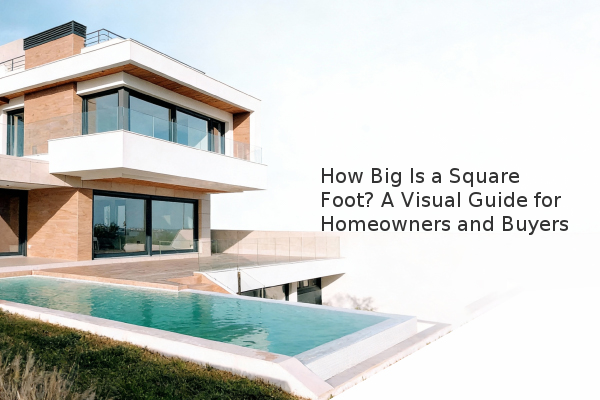
Understanding the size of a square foot is fundamental for anyone navigating the US real estate market, whether you're buying, selling, or renovating a property. A square foot (sq ft) is a unit of area equal to a square measuring one foot on each side. This guide will translate this abstract measurement into tangible, real-world examples to help you accurately visualize space, assess property listings, and plan your projects effectively.
To move beyond the textbook definition, it's helpful to compare a square foot to common objects. This makes it easier to mentally measure a room or understand a home's floor plan. For instance, a standard square floor tile is often exactly one square foot. Similarly, a medium-sized pizza pan or the area of a large, flat-screen computer monitor is roughly equivalent to one square foot. Perhaps the most straightforward visual is to imagine a square drawn with a tape measure; each side is 12 inches long. By relating this measurement to familiar items, you can quickly gauge the size of smaller areas, like a closet or a bathroom vanity space.
Calculating the total square footage of a rectangular or square room is a simple process. You need to measure the length and the width of the room in feet and then multiply these two numbers together. For example, if a bedroom is 12 feet long and 10 feet wide, the calculation is 12 x 10, which equals 120 square feet. For rooms with alcoves or irregular shapes, the best approach is to divide the space into smaller rectangles, calculate the square footage of each, and then add them all together for a total. Remember, when measuring for flooring or paint, you are calculating the area of the floor, not the height of the walls.
In real estate, square footage is a primary factor in determining a property's value and marketability. Larger homes with more square footage typically command higher prices, but the price per square foot is a key metric for comparison. This metric helps buyers assess whether a home in one neighborhood is a better value than a similar-sized home in another. However, it's crucial to understand what is included in the listed square footage. Based on our experience assessment, finished, heated, and cooled areas above grade are generally included, while basements, garages, and attics may be listed separately or not at all, depending on local standards.
| Room Type | Average Size (Square Feet) |
|---|---|
| Small Bathroom | 35 - 40 sq ft |
| Home Office | 50 - 100 sq ft |
| Standard Bedroom | 120 - 200 sq ft |
| Large Living Room | 300 - 400 sq ft |
While square feet are standard in the US, other units are used globally and in specific contexts. An acre, a common measurement for land, is equal to 43,560 square feet. This is helpful to know when evaluating larger properties. In contrast, a square meter is the metric unit of area, and one square meter is approximately 10.76 square feet. When reviewing architectural plans or international listings, understanding this conversion can prevent confusion. For most residential real estate transactions in the United States, square feet remain the universal language for communicating the size of a home's living space.
To effectively use square footage in your real estate decisions, always verify measurements, understand what is included in the total, and use the price per square foot as a comparative tool rather than a sole value indicator.