Browse

Log in / Register
 Share
Share
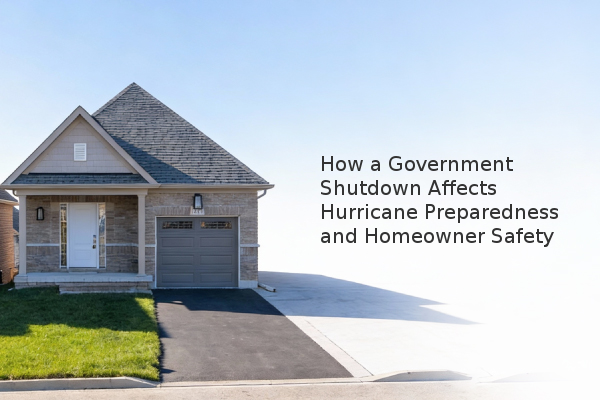
A government shutdown introduces significant complications for hurricane preparedness, but federal disaster response agencies like FEMA maintain core operational capabilities. For homeowners in coastal states, taking proactive, personal responsibility for property protection is the most critical step to mitigate risks during this period of reduced federal capacity. This article outlines the operational status of key agencies and provides actionable strategies to safeguard your home and family.
Which Federal Agencies Remain Operational During a Shutdown? During a government shutdown, agencies deemed "essential" for public safety continue to function, though often with a reduced workforce. The Federal Emergency Management Agency (FEMA) is a key example. While FEMA's disaster relief fund is separate from annual appropriations and remains available, a shutdown can strain staff resources, potentially slowing the deployment of non-emergency assistance and administrative functions. The National Oceanic and Atmospheric Administration (NOAA) continues to provide critical weather forecasting and hurricane tracking through the National Weather Service. Similarly, the U.S. Coast Guard remains active for search and rescue operations, though pay for personnel can be delayed.
| Agency | Shutdown Status | Key Considerations for Homeowners |
|---|---|---|
| FEMA | Operational (Essential) | Disaster fund is active; individual assistance processing may be slower. |
| NOAA/National Weather Service | Operational (Essential) | Weather forecasts and warnings continue uninterrupted. |
| U.S. Coast Guard | Operational (Essential) | Search and rescue missions continue; personnel may face pay disruptions. |
What Does Reduced Federal Capacity Mean for Homeowners? The primary impact of a shutdown on hurricane preparedness is a reduction in the federal government's proactive capacity. Public awareness campaigns, non-essential maintenance of forecasting equipment, and long-term planning meetings may be paused. This shift in resources makes it imperative for individuals to rely less on last-minute federal guidance and more on their own preparations. Based on our experience assessment, the most prepared homeowners begin their seasonal readiness routines well before a storm is on the horizon, especially when a potential shutdown coincides with peak hurricane season.
How Can You Proactively Protect Your Property? Taking personal responsibility involves concrete actions to minimize potential damage. A thorough property inspection is the first step. Focus on reinforcing vulnerable points:
What Are the Essential Steps for Creating a Family Emergency Plan? A government shutdown underscores the importance of self-reliance. Your family’s emergency plan should be documented and practiced. Key elements include:
While essential federal services for life-saving operations continue during a government shutdown, preparedness becomes a personal responsibility. The most effective strategy is to act early: conduct a thorough property inspection, review and understand your insurance coverage, and create a comprehensive family emergency plan. By taking these steps, you can significantly enhance your resilience and protect your most valuable asset—your home—regardless of federal operational status.