Browse

Log in / Register
 Share

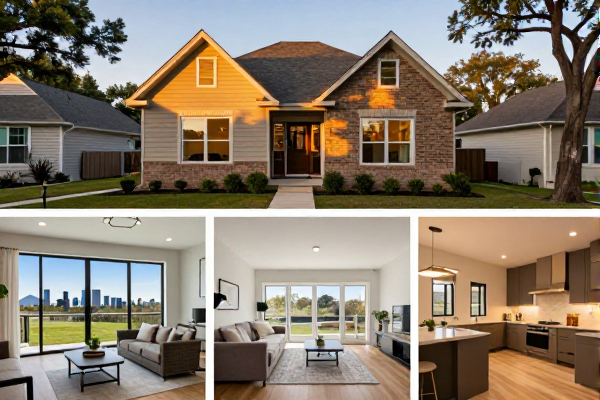
Navigating the Houston real estate market requires understanding its diverse zip codes, which directly influence property values, neighborhood character, and investment potential. In 2026, the median home price across Houston is projected to be approximately $385,000, but this figure masks significant variations, with prices ranging from under $200,000 to over $1.5 million depending on the zip code. Key factors driving these disparities include school district ratings, proximity to major employment centers like the Texas Medical Center and Energy Corridor, and susceptibility to flooding. This guide provides a data-driven overview to inform your buying or selling decisions.
For budget-conscious buyers, several zip codes offer entry points into the Houston market. Areas such as 77016 (Settegast/East Houston) and 77028 (Denver Harbor/Port Houston) consistently show median home prices below the city average. These neighborhoods often feature a higher proportion of single-family homes on larger lots. However, affordability comes with considerations. It is crucial to research flood zone maps from FEMA and review the historical performance of the local school district, as these factors can impact long-term value appreciation and insurance costs. Based on our experience assessment, these areas present opportunities for buyers seeking value, but thorough due diligence is non-negotiable.
| Houston Zip Code | Neighborhood Examples | Median Home Price (2026 Projection) | Key Consideration |
|---|---|---|---|
| 77016 | Settegast, East Houston | $235,000 | Check flood insurance history |
| 77028 | Denver Harbor, Port Houston | $215,000 | Review school district ratings |
| 77078 | South Acres, Crestmont Park | $255,000 | Proximity to major highways |
| 77051 | Hobby Area | $245,000 | Access to Hobby Airport |
Investment potential is often measured by a combination of current affordability, development activity, and location. Zip codes on the periphery of high-growth areas, such as 77047 (Almeda/South Loop) near the Texas Medical Center and 77088 (Near Northside) adjacent to downtown revitalization projects, are showing strong signs of appreciation. These areas are benefiting from infrastructure improvements and new commercial development. A critical step for investors is to analyze Property Tax rates, as they can vary and significantly affect net returns. Property tax is an annual levy imposed by local governments based on the assessed value of real estate.
There is a strong correlation between highly-rated school districts and higher home values. Zip codes within the Katy Independent School District (e.g., 77450, 77494) and Cy-Fair Independent School District (e.g., 77065, 77095) command a notable premium. For instance, homes in these areas can be priced 20-30% higher than similar properties in neighboring zones with lower-rated schools. This premium is often justified by parents' willingness to pay for educational quality, which creates stable, high-demand housing markets. When evaluating a zip code, reviewing the Texas Education Agency's annual accountability ratings is a essential practice.
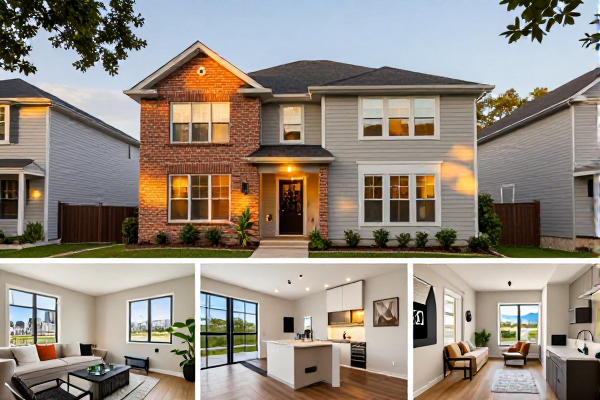
For sellers, accurate pricing is paramount. Overpricing relative to your specific zip code's comps can lead to a property stagnating on the market. The most effective strategy involves conducting a Comparative Market Analysis (CMA), which evaluates recently sold properties with similar characteristics in your zip code. A CMA provides a realistic price range based on current market dynamics, not just historical data. It's also vital to understand the average days on market for your area to set realistic expectations for the selling timeline.
To make an informed decision in the Houston housing market, always cross-reference zip code data with current flood maps, school ratings, and property tax records. Focus on areas aligning with your long-term financial and lifestyle goals, and consider consulting with a local real estate expert for a hyper-localized assessment. The diversity of Houston's zip codes means there is a neighborhood for nearly every preference and budget, but success hinges on detailed, localized research.