Browse

Log in / Register
 Share
Share
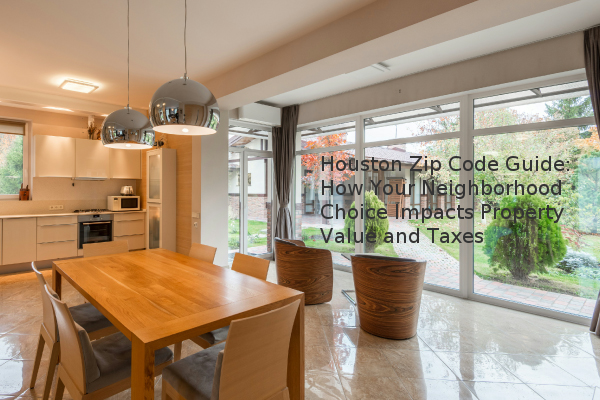
Your choice of a Houston zip code is one of the most significant factors determining your home's value, property taxes, and lifestyle. Zip codes in Houston are powerful indicators of real estate market trends, school district quality, and annual property tax rates. This guide provides an objective analysis of how different areas influence your investment, based on current market data and established assessment standards.
A zip code is more than a mailing address; it's a key data point used by lenders, appraisers, and tax assessors. In a vast metropolitan area like Houston, zip codes can delineate distinct municipalities and Municipal Utility Districts (MUDs), which directly control tax rates. A MUD is a political subdivision authorized by the state to provide water, sewage, drainage, and other utility-related services to undeveloped areas, often financing its infrastructure through bonds that are paid off by resident property taxes. This means two physically adjacent neighborhoods with different zip codes can have substantially different annual tax obligations, directly affecting affordability.
Key factors tied to zip code include:
Property taxes in Texas are locally administered and lack a state income tax, making them a primary consideration. The following table illustrates the variance in median home values and estimated tax rates across a sample of Houston zip codes, based on aggregated recent market data.
| Zip Code | Area Example | Median Home Value (Est.) | Key Characteristics |
|---|---|---|---|
| 77005 | Rice University, Museum District | $1,200,000+ | High demand, top-tier schools, low inventory. |
| 77027 | Tanglewood, River Oaks Area | $1,500,000+ | Established luxury market, mature landscaping. |
| 77024 | Memorial Villages Area | $900,000+ | Highly rated schools, strong community amenities. |
| 77070 | Northwest Houston/Cypress | $400,000 | Rapid growth, new construction, family-friendly. |
| 77084 | Southwest Houston | $300,000 | Affordable entry-point, diverse housing stock. |
It is critical to verify the exact tax rate for a specific property, as rates can change annually and are set by a combination of the county, city, school district, and any applicable MUDs.
While value is paramount, your zip code choice should align with your lifestyle needs. Commute times can vary dramatically. A home in 77002 (Downtown) offers walkability but at a premium price per square foot, while a home in 77379 (Spring) may provide more space but require a longer commute. Furthermore, flood zone designation is a crucial due diligence step in Houston. A property's flood risk, which affects insurance costs, is not determined by zip code but must be checked on a property-by-property basis through FEMA flood maps and seller disclosures.
Rely on authoritative sources for your research. The Harris Central Appraisal District (HCAD) website provides detailed property tax records and appraisal information for most Houston-area properties. For market trends, consider data from recognized real estate analytics firms that track median listing prices, days on market, and price-per-square-foot trends by zip code. Always cross-reference this data to form a complete picture.
To make an informed decision: focus on the combined impact of property value, tax burden, and quality-of-life factors unique to each Houston zip code. This holistic approach ensures your real estate investment aligns with both your financial goals and personal needs.