Browse

Log in / Register
 Share

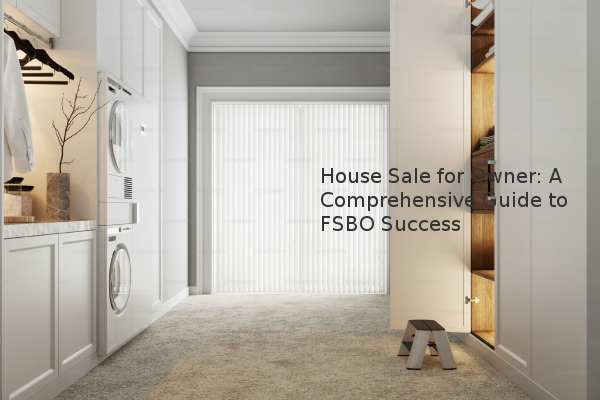
Selling a house for owner, known as a For Sale By Owner (FSBO) transaction, can be a viable path to maximize your financial return by avoiding real estate agent commissions. However, success requires a significant investment of time, a solid understanding of the real estate process, and meticulous preparation to navigate pricing, marketing, and complex legal paperwork. This guide provides a factual overview of the steps, challenges, and key considerations for a FSBO sale, based on our experience assessment of the current market.
Understanding the FSBO Process A For Sale By Owner (FSBO) sale is a real estate transaction where the property owner markets and sells their home without representation from a licensed real estate agent. The primary motivation for most sellers is the potential to save the typical commission fee, which often ranges from 5% to 6% of the sale price. Before committing to this route, it's crucial to self-assess your availability, comfort with negotiation, and understanding of state-specific real estate laws. The process demands hands-on management from start to finish.
Key Advantages and Potential Challenges The most significant advantage of a FSBO sale is financial. By not paying a seller’s agent commission, you retain more of the sale proceeds. You also maintain complete control over the listing price, marketing strategy, showing schedule, and negotiation terms. The primary challenges include limited exposure on major real estate platforms, the complexity of accurately pricing your home without access to all market data, and the responsibility of handling legally binding documents like the purchase agreement and disclosure forms.
A Step-by-Step Guide to Selling Your House Yourself A successful FSBO sale hinges on a structured approach. The following steps outline the critical path from preparation to closing.
1. Accurately Price Your Home: This is the most critical step. Overpricing can lead to a stagnant listing, while underpricing leaves money on the table. Consider paying for a formal appraisal—a professional assessment of your property's fair market value—or a comparative market analysis (CMA) from a fee-based service. Research recent sales of comparable homes (comps) in your neighborhood to establish a competitive and realistic price.
2. Prepare Your Home for Sale: First impressions are paramount. Invest in necessary repairs, a thorough deep cleaning, and strategic staging—the art of arranging furniture and decor to make the home appealing to the broadest audience. High-quality photography is non-negotiable; consider hiring a professional photographer to capture your home in its best light.
3. Market Your Property Effectively: Beyond a "For Sale" sign, you need a multi-channel strategy. Utilize FSBO-specific listing websites to gain online visibility. Create detailed property descriptions, virtual tours, and flyers. Leverage social media and your personal network to spread the word. Be prepared to schedule and conduct all property showings yourself.
4. Navigate Offers and Negotiations: When an offer is received, you must evaluate not only the price but also the buyer's financing, proposed closing date, and contingencies. Common contingencies include those for home inspection and financing. Negotiations may involve the sale price, closing cost contributions, or repair requests following an inspection.
5. Manage the Closing Process: Once under contract, the transaction moves toward closing. You will need to coordinate with the buyer’s agent (if applicable), the title company, and potentially a real estate attorney. The title company ensures the property title is free of liens and facilitates the final transfer of ownership. You are responsible for providing all required legal disclosures about the property's condition.
Essential Considerations for a Smooth Transaction To mitigate risks, consider hiring professionals for specific tasks. A real estate attorney can review contracts to ensure they are legally sound. Be aware that you may still be responsible for paying the commission for the buyer’s agent, which is typically 2.5% to 3% of the sale price. This cost is often factored into the negotiations. Meticulous organization and clear communication with all parties involved are essential for a successful closing.
Success in a FSBO sale is achievable with thorough preparation, realistic pricing, and a willingness to manage complex logistics. The key takeaways are to invest in professional valuation and photography, understand all legal requirements, and be prepared to negotiate effectively. By taking a disciplined, informed approach, you can navigate the process confidently and work toward your financial goal.