Browse

Log in / Register
 Share

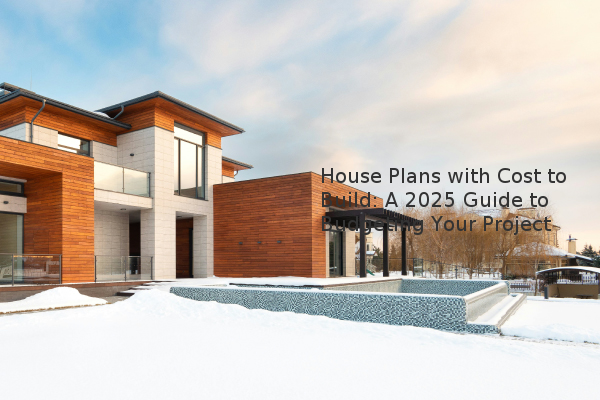
Building a new home starts with a set of house plans, but the most critical figure for any prospective homeowner is the accurate cost to build. Understanding the financial investment required is the first step in turning a blueprint into a reality. This guide provides a foundational overview of the key cost drivers, from square footage to material selection, empowering you to budget effectively for your custom home project.
The true cost to build a house extends far beyond the price of the plans themselves. It is a composite figure influenced by labor, materials, permits, and the specifics of your land. A realistic budget is built on a detailed understanding of these variables, which can vary significantly by region. This article will break down the primary factors that determine your final cost per square foot.
The final price tag of your home is not arbitrary. Several core elements work together to determine the total expenditure. The most significant include the home's size and layout, the quality of materials, and the current cost of labor in your area.
Simply multiplying a generic cost per square foot by your home's size is a recipe for budget shortfalls. A precise estimate requires a more granular approach, typically provided by a professional builder.
Engage a local contractor or builder for a preliminary review of your chosen house plans. They can provide a line-item estimate that breaks down costs for foundation work, framing, electrical, plumbing, HVAC, and interior finishes. This detailed breakdown is far more reliable than a top-level calculation. It's also wise to include a contingency fund of 10-20% of the total project cost to cover unexpected issues that may arise during construction.
Not all house plans are created equal, and the source of your plans can impact both upfront and long-term costs. Understanding the differences helps in selecting the right option for your project.
| Plan Type | Average Upfront Cost | Pros | Cons |
|---|---|---|---|
| Stock Plans | $1,000 - $5,000 | Cost-effective, quick availability | Less unique, may need modifications |
| Custom Plans | $10,000 - $50,000+ | Tailored to your needs, maximizes lot potential | Higher upfront cost, longer design timeline |
Beyond the plans and direct construction costs, several ancillary expenses must be factored into your total budget. Overlooking these can lead to significant financial strain.
The cost of the land itself is the first major investment. Additionally, site preparation costs, such as grading, connecting to utilities (water, sewer, electricity), and building a driveway, can be substantial. Don't forget to budget for closing costs on your construction loan and property taxes, which will come due during the building process. A thorough feasibility study of your land by a professional is a crucial early step.
To build a home that meets both your dreams and your financial reality, start with a realistic budget based on professional estimates, not guesswork. Always factor in a contingency fund for unforeseen expenses and carefully vet your builder's credentials and past projects. By understanding the full scope of costs associated with your house plans, you can embark on your building journey with confidence and clarity.