Browse

Log in / Register
 Share
Share
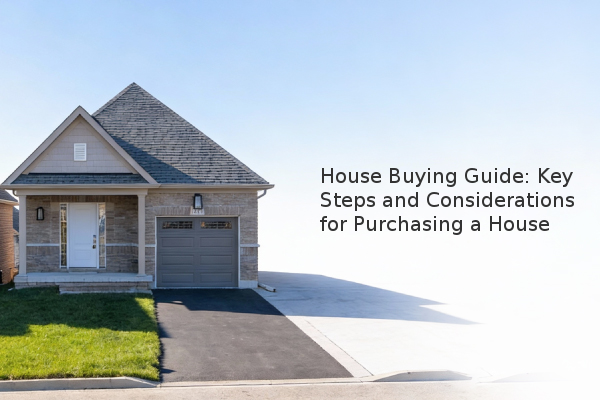
Purchasing a house is a significant financial and personal milestone that requires careful planning and informed decision-making. The core steps involve assessing your financial readiness, securing a mortgage pre-approval, working with a real estate agent, conducting thorough property inspections, and navigating the closing process. By understanding these key phases, prospective buyers can approach the market with greater confidence and clarity to find a home that meets their needs and budget.
The journey begins long before you look at listings. Your first action should be a candid assessment of your financial health. This includes reviewing your credit score, calculating your debt-to-income ratio (DTI), and determining how much you can realistically afford for a down payment and monthly mortgage payments. A crucial next step is obtaining a mortgage pre-approval, which is a letter from a lender stating the loan amount you qualify for based on a preliminary review of your finances. A pre-approval signals to sellers that you are a serious and qualified buyer, strengthening your position in a competitive market. It's important to distinguish this from pre-qualification, which is a less rigorous assessment.
Once pre-approved, you can begin the search in earnest. A knowledgeable real estate agent can provide invaluable assistance by identifying properties that match your criteria, scheduling viewings, and providing insights into local market conditions. When you find a house you wish to purchase, your agent will help you prepare a purchase offer. This legally binding document outlines the proposed price, contingencies, and proposed closing date. Common contingencies include the home inspection contingency, which allows you to back out of the deal or renegotiate if significant issues are found, and the financing contingency, which protects you if your final loan approval falls through.
After the seller accepts your offer, the due diligence period begins. You will hire a professional home inspector to evaluate the property's condition, from the foundation to the roof. Based on the inspection report, you may request repairs or a credit from the seller. Simultaneously, your lender will order an appraisal to ensure the property's value aligns with the loan amount. Title insurance will also be secured to protect against any future claims of ownership on the property. This period is critical for verifying that the house is a sound investment before you are legally committed to the purchase.
The final step is the closing, also known as settlement or escrow. This is a meeting where ownership of the property is officially transferred from the seller to the buyer. You will review and sign a multitude of legal documents, including the closing disclosure, which details the final loan terms and all closing costs. These costs can include lender fees, title insurance premiums, and property tax prorations, typically amounting to 2% to 5% of the home's purchase price. After all documents are signed and funds are disbursed, you will receive the keys to your new house.
To navigate the process successfully, remember these key points: get pre-approved before shopping, hire a professional inspector, understand all contingencies in your contract, and budget carefully for closing costs. Each step requires attention to detail, but with proper preparation, you can achieve the goal of homeownership.